
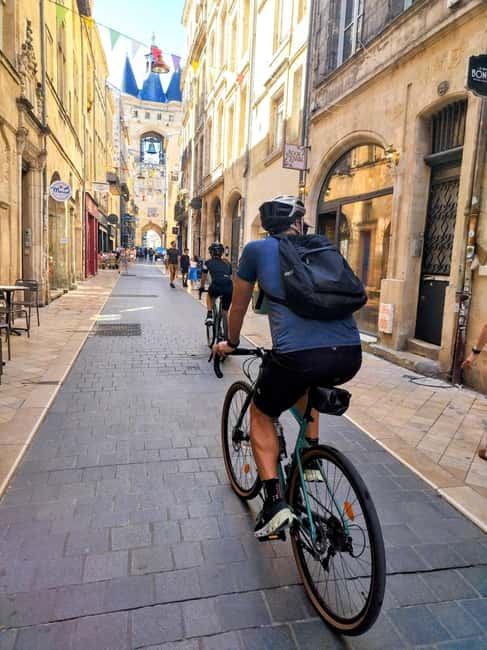
Reviewed · BORDEAUX VINEYARD & CHâTEAU TOURS
Bordeaux by Gravel Bike : Historic center & vineyards
Four hours, one river, and real vineyard air. This gravel bike ride from Chartrons to the Entre-Deux-Mers gives you Bordeaux’s historic heart on non-electric gravel and then sends you off the usual tracks into quiet villages and vines with Edwin. What I love most is the mix of Bordeaux landmarks (Pont de Pierre, Place de la Bourse, plus classic cathedral views) and a proper family-winery stop where you taste three wines. One thing to consider: you’ll be riding a bike for the main part of the tour, so you need to feel comfortable in both city streets and country roads.
Edwin keeps things friendly and practical, with a small group capped at 10. The plan is about 3 hours of riding between iconic spots, plus around 1 hour for a break and wine tasting, so you get momentum without turning it into an all-day grind. Bring rain gear too; grassy gravel trails and rural stretches can get damp and slick after showers.
In This Review
- Key highlights at a glance
- Meeting Edwin in Chartrons and getting your bike sorted
- Bordeaux landmarks by gravel: Cathedral views, Grosse Cloche energy, and Pont de Pierre
- The Garonne river ride: when the city widens and the air changes
- Into Entre-Deux-Mers: villages, vineyards, and the feeling of being a little off-route
- The converted railway path that makes the return easy to love
- Winery break at a family estate: three wines and a short domain visit
- How hard is it really? Gravel comfort, timing, and what to wear
- Price and value: what $138 buys you in a half-day
- Who this gravel bike tour fits best
- Should you book Bordeaux by Gravel Bike?
- FAQ
- How long is the Bordeaux by Gravel Bike tour?
- What’s included with the price?
- Do I need an e-bike?
- How much time is spent riding versus at the winery?
- What languages does the guide speak?
- What should I bring and wear?
Key highlights at a glance
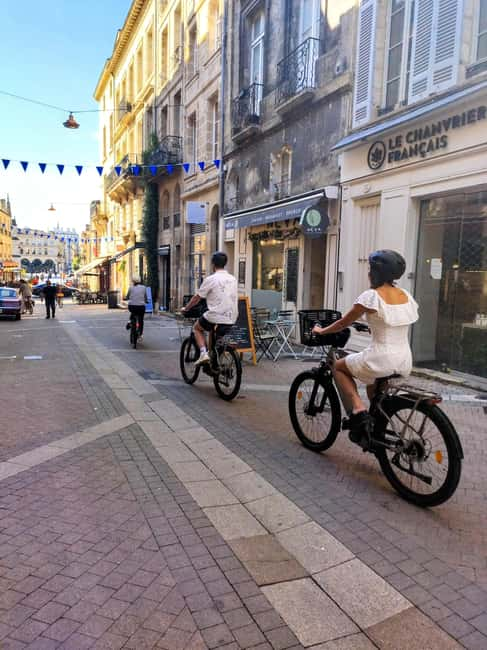
- Chartrons to Bordeaux center: A wine-merchant district vibe, then you roll into the big-name sights.
- Pont de Pierre + Garonne views: The stone-bridge moment and the river ride that changes the feel fast.
- Off-the-beaten-path gravel: Grassy tracks and quiet country roads instead of just pavement.
- Entre-Deux-Mers scenery: Hills, vineyards, and the river corridor you usually only see from afar.
- Family winery tasting: Three wines, plus a short visit to the domain before you pour.
- Edwin’s pace and directions: You ride at your comfort, but you’re not left guessing.
More Bordeaux cellar doors left open
- Medoc or Saint Emilion Wine Tasting and Chateau from Bordeaux★ 5.0 · 1,415 reviews
- Saint Emilion Half-Day Trip with Wine Tasting & Winery Visit from Bordeaux★ 4.5 · 1,034 reviews
- Saint-Emilion Afternoon Wine Tour – 2 Wineries & delicacies★ 5.0 · 614 reviews
- Bordeaux: Vineyards Wine Tasting Half-Day Trip★ 4.2 · 470 reviews
Meeting Edwin in Chartrons and getting your bike sorted
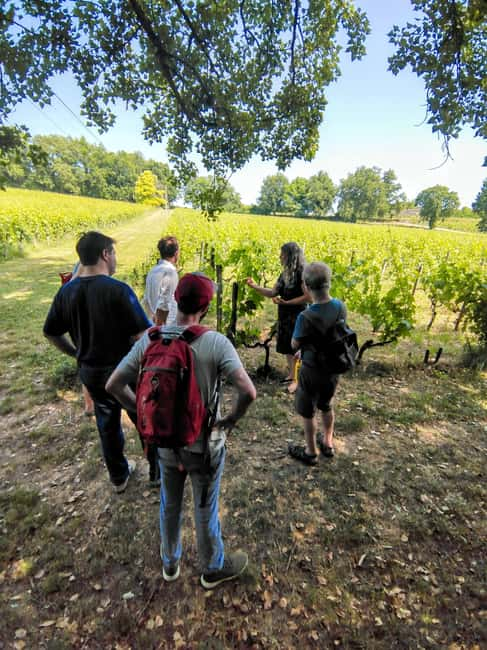
The tour starts in Bordeaux’s Chartrons area, where a lot of the city’s wine trade history comes from. You’ll meet Edwin at Véloce, the bike shop base in this neighborhood, and you’ll get your gravel bike plus a helmet before rolling out.
Two practical points matter here. First, the company needs your bike size in advance so you get the right fit. A proper fit makes gravel riding feel easier and more stable, especially once you leave smooth streets. Second, you’re on a non-electric gravel bike, so you should plan on doing real pedaling when the route turns slightly hilly.
Edwin’s role is clear from the start: he shares practical info about how the ride will work and where you’re heading. And he runs the group in a way that keeps you together without feeling like you’re being dragged along. Think: you can settle into your pace, and he steps forward when you need directions.
Bordeaux landmarks by gravel: Cathedral views, Grosse Cloche energy, and Pont de Pierre
If you’ve ever tried to see Bordeaux’s highlights on foot, you know how fast it becomes a hit-or-miss blur. This ride gives you a smarter rhythm: stop, orient your eyes, and then pedal to the next viewpoint.
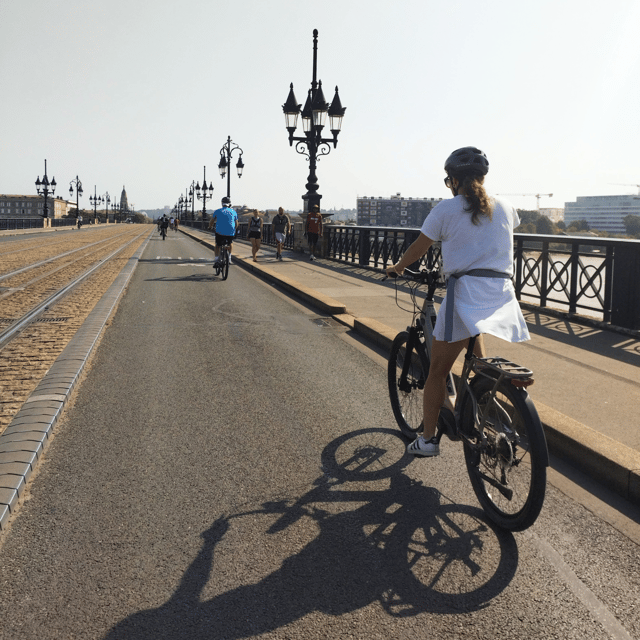
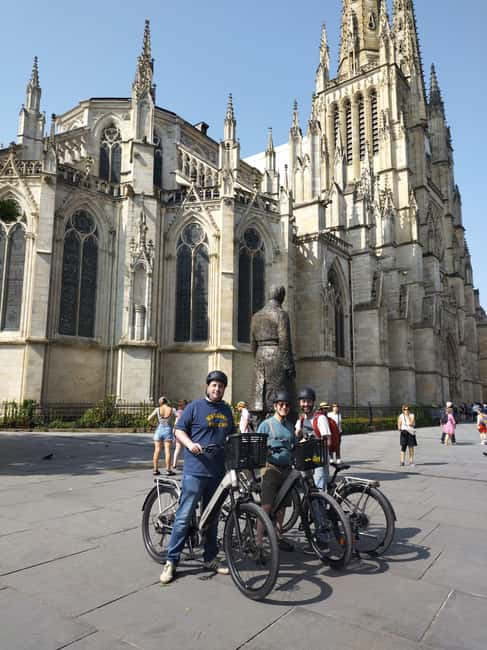
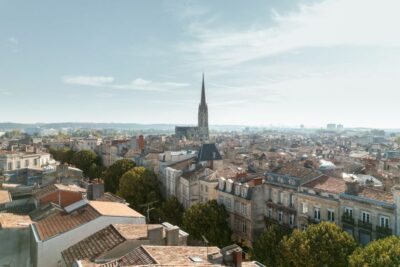
Early on, you start in the historic center area with photo stops built into the flow. You’ll pass classic sights including Bordeaux Cathedral for a photo moment and nearby scenic viewpoints that help you understand how the city layers around the river. Another big-photo stop is Pont de Pierre, the stone bridge that acts like a visual switch from city center to river-and-countryside energy.
Pont de Pierre is more than a postcard bridge here. Crossing it by bike changes your perspective: you see the river corridor stretch out, and you get that immediate sense of why Bordeaux’s wine world grew up around the Garonne.
You’ll also get guidance on what you’re seeing along the way—especially around wine-culture spaces like the Chartrons district, which was one of the important wine merchant zones centuries ago. Even if you don’t want a lecture, that context makes the streets feel purposeful.
The Garonne river ride: when the city widens and the air changes
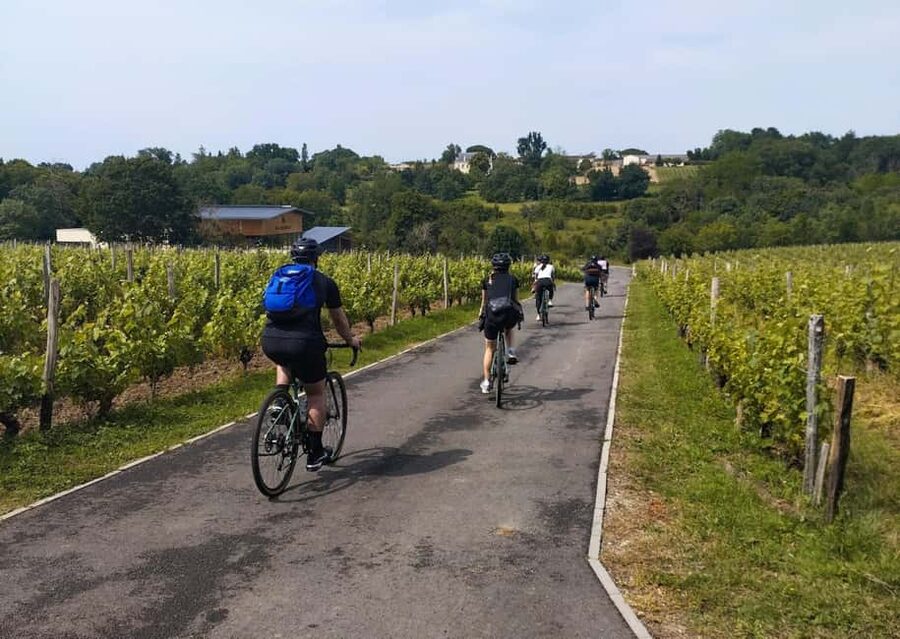
After the bridge, the mood shifts. You’ll ride along the Garonne river with scenic views that feel more open and breezy than the central streets. It’s the part of the day where you stop thinking about landmarks and start thinking about motion: cadence, balance, and the relaxing rhythm of gravel paths and quiet segments.
What makes this section valuable is the contrast. Bordeaux can be dense and architectural when you’re walking, but the river route gives you breathing space. If your goal is to see the city plus feel like you’re getting out into the region, this is the payoff stretch.
Also, you’re not stuck staring at the water. The route still moves, so you keep earning the views.
Through the vines on two wheels, more rides



Into Entre-Deux-Mers: villages, vineyards, and the feeling of being a little off-route
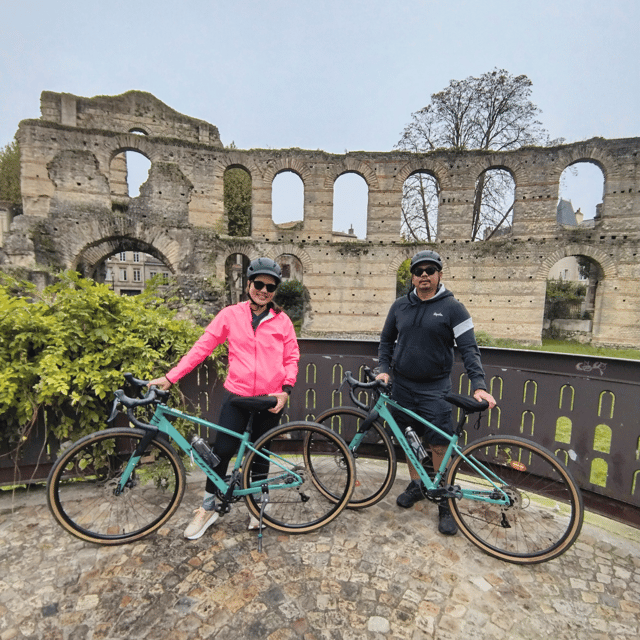
The tour doesn’t just take you to a single vineyard and back. It heads into the Entre-Deux-Mers area—hills, vineyards, and riverside country lanes that help you understand the region’s shape.
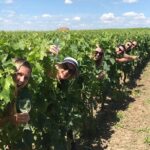
You’ll pedal on a mix of grassy gravel trails, country roads, and scenic stretches through vineyards and villages. This part is where gravel biking becomes fun in a very practical way: you’re not just on smooth bike lanes, and you’re not on rough mountain tracks either. It’s the kind of terrain that feels adventurous but still manageable for riders who know how to ride a bike confidently.
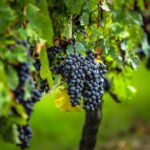
One of my favorite ways to describe this segment: it teaches you how Bordeaux’s wine geography sits just beyond the city boundaries. After a few kilometers, you’re no longer asking where the vineyards are. You can see them, smell them (if you’re lucky), and feel them through the terrain.
The converted railway path that makes the return easy to love
On the way back toward Bordeaux, you’ll ride along a converted railway line turned cycle path. That detail matters. It’s the kind of segment that breaks up the day so you’re not always climbing or constantly navigating city corners.
This return section also helps you connect the dots. You get to see how the route links the countryside back into the urban fabric, without the stress of traffic. And because it’s a purpose-built path, it’s a good moment to relax your shoulders, keep a steady pace, and enjoy the ride instead of thinking about every turn.
In other words: it’s not just transportation. It’s part of the experience’s pacing.
Winery break at a family estate: three wines and a short domain visit
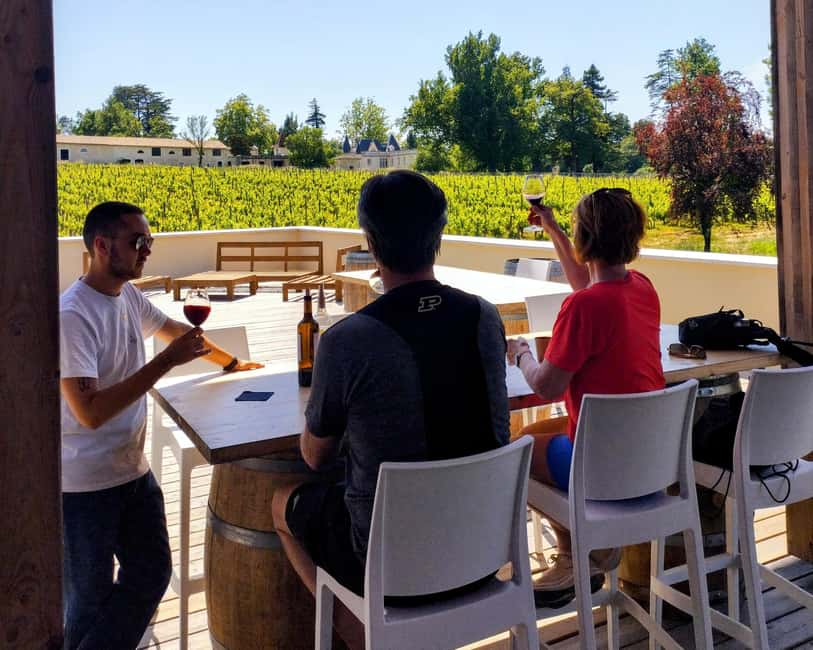
The best kind of wine stop isn’t the one where you sit for ages and wonder what time it is. This one is timed right into the ride so you get a break when you’re ready for it. The tour includes about an hour of downtime at a local family estate in the Latresne area.
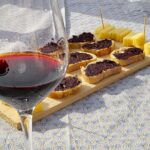
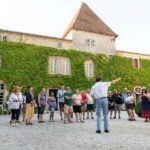
You’ll get a short tour of the domain, then a tasting of three wines from the region. The tasting isn’t just about pouring and moving on. You’ll also hear about the guide’s territory and the gravel-bike route context that led you there—because the winery stop fits into a story, not just a schedule.
One more thing I appreciate: after that first stretch in the countryside, the winery gives you a chance to reset. You stop thinking about roads and start tasting. Then you ride again with better energy for the end of the loop.
How hard is it really? Gravel comfort, timing, and what to wear
Let’s talk effort honestly. The tour is designed for people who can ride a bike. It’s not for people who can’t ride. Wheelchair access isn’t part of the plan either.
On timing, you can expect about 3 hours of riding between major city and countryside points, then around 1 hour for the break and tasting. That means your attention should be on steady comfort rather than sprinting.
As for comfort tips, here’s what you should take seriously:
- Wear sports shoes or something you can trust on gravel.
- Bring rain gear if there’s any chance of showers. Gravel trails can get slick.
- Wear comfortable clothes, and if you can, cycling pants help a lot with bike fit and chafe.
- You’ll want sportswear that lets you move, because you’re riding.
Pace-wise, Edwin can sit behind and guide from the rear when you’re settled, then move forward when directions matter. That reduces the stress of staying in the right place—especially if you’re not used to group cycling.
If you’re someone who gets stressed by technical trails, this route is still fairly approachable. It’s gravel exploration and country roads, not mountain-endurance territory.
Price and value: what $138 buys you in a half-day
At $138 per person for a 4-hour experience, you’re paying for more than a bike rental. You get:
- the gravel bike (non-electric) and helmet
- a live guide (French, English, Spanish)
- a tasting of three wines at a family estate
- the cycling time plus scenic stops built into one route
- and you’re also supporting humanitarian actions through ADRA France via the tour provider’s partnership
Is it cheap? No. But it’s also not just a quick city loop. The tour mixes city landmarks, river scenery, countryside riding, and a hosted tasting. That’s four separate experiences stacked into one half-day, with logistics handled by Edwin and the local team.
Also, the small-group cap at 10 makes a real difference. In crowded cities, being one of a big group can turn a ride into a waiting game. Here, you get a better flow and more actual guidance.
One more value note: the tour has an average 5/5 rating with 7 reviews, which usually points to consistent guide quality and a route that holds up in practice.
Who this gravel bike tour fits best
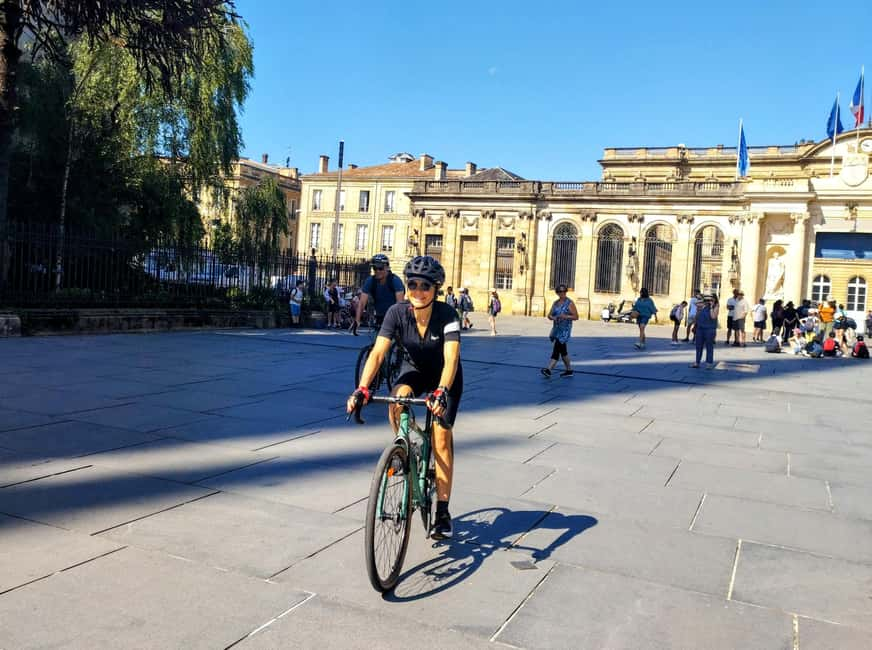
This is a great match if you want a real view of Bordeaux and its wine country connection without the hassle of planning routes, finding vineyards to visit, and figuring out where to stop for tasting.
It’s especially good for you if:
- you enjoy riding on gravel and want scenic variety, not just flat sidewalks
- you want city highlights plus a countryside break in the same outing
- you like wine tastings where there’s a domain visit and not just a pouring station
It’s not the right pick if:
- you can’t ride a bike
- you need wheelchair access
- you want a fully electric experience (e-bikes cost 20€ extra per participant, if available)
Should you book Bordeaux by Gravel Bike?
I’d book it if your ideal day in Bordeaux includes two things at once: classic landmarks and the sense that you’re actually moving through wine country. The route is built for variety—historic center, bridge crossing, river ride, countryside and vineyards, then a winery stop that feels earned.
Skip it only if you’re looking for an easy sit-and-pretend tour, or if you’re worried about handling a gravel bike for a few hours. If you’re comfortable on two wheels and you want a half-day that feels like you got out of the city instead of just seeing it, this is a strong choice.
FAQ
How long is the Bordeaux by Gravel Bike tour?
The experience runs for 4 hours total.
What’s included with the price?
You get a non-electric gravel bike, a helmet, a tasting of 3 wines at a family estate, and a guide who leads the ride. Your participation also supports humanitarian actions via ADRA France.
Do I need an e-bike?
The standard bikes are non-electric. E-bikes are available for an additional fee of 20€ per participant, if you ask for availability.
How much time is spent riding versus at the winery?
You’ll ride for about 3 hours between iconic spots, and you’ll have around 1 hour for a break and wine tasting.
What languages does the guide speak?
The live guide speaks French, English, and Spanish.
What should I bring and wear?
Bring rain gear, comfortable clothes, sports shoes, and sportswear. Cycling pants are recommended if possible, and you should be ready to ride a bike for the duration.
The Old Port, Up Close




Bordeaux on Two Wheels
More Bordeaux Cellar Doors
Just Added: Fresh Bordeaux Reviews


Bordeaux Vineyard & Château Tours, compared.
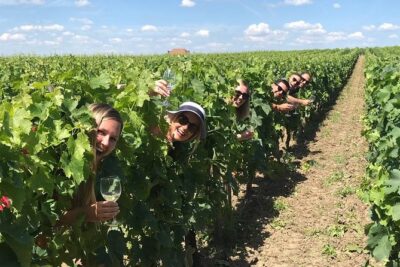 ★ 5.0Medoc or Saint Emilion Wine Tasting and Chateau from BordeauxFrom $1141,415 reviews
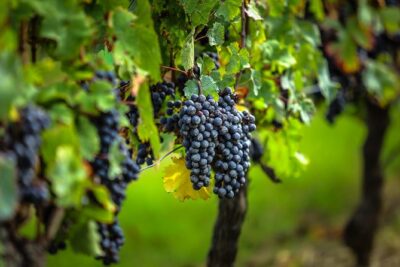 ★ 4.5Saint Emilion Half-Day Trip with Wine Tasting & Winery Visit from BordeauxFrom $1331,034 reviews
 ★ 5.0Saint-Emilion Afternoon Wine Tour – 2 Wineries & delicaciesFrom $119614 reviews
 ★ 4.8Saint-Émilion: Bordeaux Vineyard Tour and Wine TastingFrom $21578 reviews
 ★ 4.2Vineyards Wine Tasting Half-Day TripFrom $68470 reviews
 ★ 5.0St-Emilion & Médoc Wine Day Tour: Chateaus, Tastings and LunchFrom $235430 reviews
 ★ 5.0Saint-Émilion: Vineyard Walking Tour and TastingFrom $29404 reviews
 ★ 4.5Medoc Region Wine Day Trip with Vineyard Visits & Tastings from BordeauxFrom $266293 reviews
Browse the lists this tour appears in