
Reviewed · SAINT-ÉMILION WINE TOURS
Saint-Émilion: Vineyard Walking Tour and Tasting
A family estate can make wine education feel personal. At Château Haute-Nauve in Saint-Émilion, you’ll walk the vines, see the cellar work, then taste four wines made on the property in about two hours. It’s a nice change from the big, scripted tours you may see elsewhere in Bordeaux.
What I like most is that you get both the hands-on vineyard story and the practical winemaking details, from fermentation and pressing to how the wine ages in barrels. Second, the tasting is guided with enough context that the wines actually make sense, including two Grand Cru options. One consideration: there’s no food included, so plan for a real meal after—especially if you’re the type who gets hungry while walking through vineyards.
In This Review
- Key things that make this tour worth your time
- Château Haute-Nauve in Saint-Émilion: why this feels different
- Price and what you really get for $29
- Meeting the family at the estate: where to go and how to arrive
- The vineyard walk: how the year shapes the vines
- Wind turbine, a 6-meter-tall bottle, and other real vineyard tech
- Inside the vinification cellar: fermentation, pumping, pressing
- Barrel cellar aging: where patience shows up
- The tasting: four Saint-Émilion wines, including two Grand Cru
- Buying wine without pressure (and how to make it worth it)
- Who this tour suits best
- Should you book Château Haute-Nauve?
- FAQ
- How long is the Château Haute-Nauve vineyard and tasting tour?
- What is included in the $29 per person price?
- Where do I meet the guide?
- Do I need transport, or can I arrive on my own?
- Is the tour offered in English?
- Is the tour wheelchair accessible?
- Is food included during the tour?
- Can I cancel and get a refund?
Key things that make this tour worth your time
- Small group size (max 10) makes it easy to ask questions and keep the pace human
- 4th-generation hosts (Marie-Anne or Florent) tell the story from inside the family business
- Vineyard-to-bottle visit, including fermentation, pumping, pressing, and barrel aging
- Real estate details like a wind turbine and a 6-meter-tall bottle used as a vineyard tool
- Tasting of four wines from the château, including two Grand Cru wines
- You can buy bottles onsite if you love what you taste
More Saint-Emilion, chateau by chateau
- Saint-Émilion: Bordeaux Vineyard Tour and Wine Tasting★ 4.8 · 578 reviews
- Saint-Émilion Wine Tour By Premium Electric Bike, Lunch Included★ 5.0 · 274 reviews
- Saint-Émilion: Family Vineyard Visit with Wine Tasting★ 5.0 · 212 reviews
- Saint-Emilion Grand Cru Classified: Visit & Tasting in French★ 4.5 · 89 reviews
Château Haute-Nauve in Saint-Émilion: why this feels different
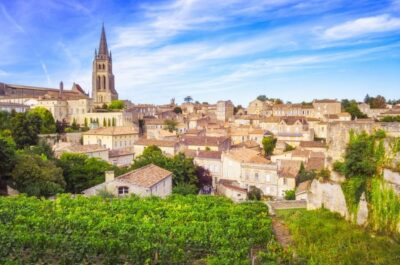
Saint-Émilion is famous for great red wine, but it can also feel like a theme park for tasting. This tour keeps it grounded. You’re not just looking at vines from a distance—you’re walking through them and hearing how a family-run property makes decisions in real life, season by season.
At Château Haute-Nauve, the focus stays on what actually matters: soil, vine work, cellar processes, and how those choices land in the glass. The vibe is warm and informal. You’ll get explanations in French or English with a local owner involved (Marie-Anne or Florent), which helps the tour stay lively and not overly formal.
Price-wise, the tour is listed at $29 per person, which is strong value for what you receive: a vineyard walk, cellar access, and a guided tasting of four château wines. That combo is usually where tours start charging more.
Price and what you really get for $29
Wine tours can be expensive, and the most frustrating ones often give you the “view” part but cut the “how it’s made” part. Here, you get both. The tour runs for two hours, and the time is structured so you’re not stuck in a van. You’ll be outside in the vineyards, then indoors in the cellar spaces, and then at the tasting.
You’re also tasting what the estate produces. That sounds obvious, but not every tour actually helps you connect the vineyard choices to the bottle. Here, you’ll sample four wines from the premises, including two with Grand Cru appellations, and the guide explains what to look for.
No food is included, and that’s worth noting. You’re paying for wine education and tasting, not lunch. If you plan ahead, you’ll end with a relaxed afternoon instead of a grumpy one.
Meeting the family at the estate: where to go and how to arrive
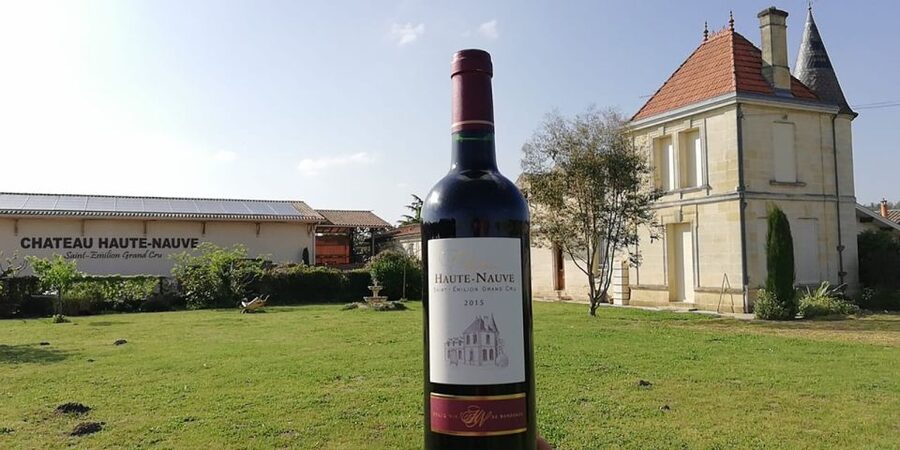
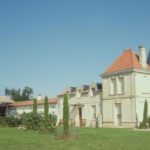
Meet your guide inside Château Haute-Nauve. There’s a car park near the large building with solar panels, under the château’s purple sign. The estate is about 3 km from Saint-Émilion, so you can do it by car, and the tour provider specifically recommends arriving by car.
If you’re coming from the village, you can probably arrange a short taxi/ride-share, but your easiest option is to park and walk in. Once you arrive, you’re not hunting for a random kiosk or waiting by the road—you’re at the real estate entrance.
Wear comfortable shoes. This is a walking tour in vineyard terrain, and even if the pace is friendly, you’ll want grip and support.
More Bordeaux cellar doors left open


The vineyard walk: how the year shapes the vines
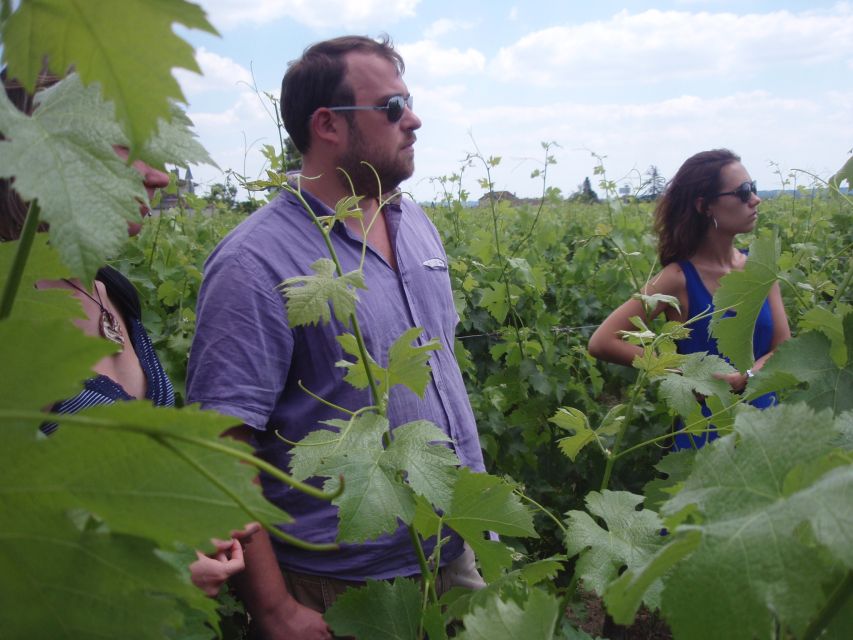
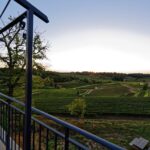
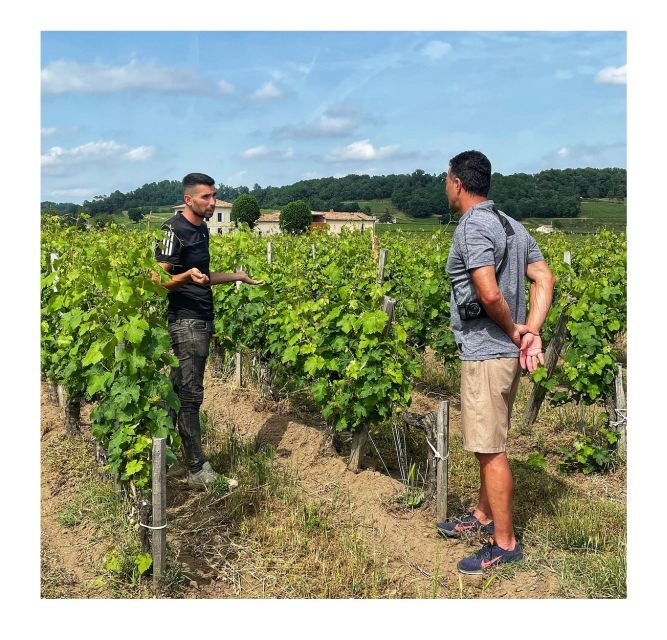
Most of the value here comes from the vineyard portion. You’ll walk through family plots and hear about the estate’s history, including that it’s run by a 4th generation family. That matters because vineyard work isn’t a one-season hobby. It’s long-term planning, and the guide’s family perspective tends to make the explanations feel grounded.
You’ll also learn about the Saint-Émilion appellation specifics—not in a textbook way, but through what you see in the vines. The guide points out different plots and helps connect grape varieties and vineyard conditions to what eventually becomes wine.
One of the best things you’ll pick up is how the work shifts through the year. Frost risk, seasonal priorities, and sustainable choices aren’t just abstract topics; they show up as practical decisions in the field. You’ll also get a feel for why vineyard farming is equal parts patience and problem-solving.
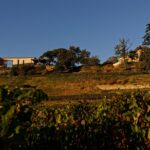
If you’re the type who likes photos, bring your phone. The vineyard setting is scenic, and the guide’s route helps you see more than one side of the estate rather than looping around the same view.
Wind turbine, a 6-meter-tall bottle, and other real vineyard tech
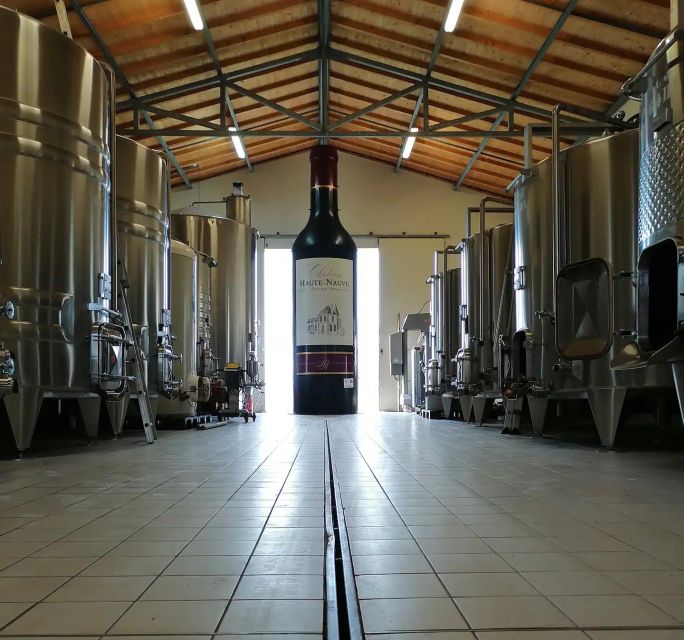
Here’s a detail I’d remember even if I didn’t care about wine: you’ll spot a wind turbine on the property and a bottle about 6 meters tall used as a vineyard tool. That kind of visual makes the tour click. Wine is often marketed as art, but it’s also engineering.
You’ll learn how the château tackles challenges like crop frost, and you’ll hear about sustainability and diversification strategies. The estate also works on developing new wine varieties, which tells you they’re thinking beyond just repeating last decade’s decisions.
In other words, you’re not just touring for nostalgia. You’re watching a working vineyard that has to adapt to weather, risks, and changing expectations. That’s one reason the tour lands well even for people who are new to wine.
Inside the vinification cellar: fermentation, pumping, pressing
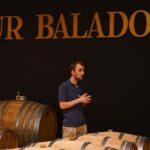
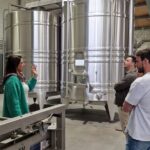
After the vineyard walk, you head into the vinification cellar. This is where the tour earns its keep. You’ll get a guided look at the winemaking journey from grape to wine, including fermentation, pumping, and pressing.
This part is useful because it connects vocabulary to real equipment. When you see the machinery and hear what each stage does, the terms stop sounding like wine-magazine fluff and start sounding like steps in a process you can actually follow.
You’ll also hear how the château balances modern methods and practical winemaking needs. The guide explains what happens between harvest and the wine reaching the barrels—so when the tasting comes at the end, you’re tasting with context, not just scoring fruit and oak blindly.
If you’re worried this could feel too technical, don’t be. The explanations are tied to what you just saw in the vineyards, and that keeps it understandable.
Barrel cellar aging: where patience shows up
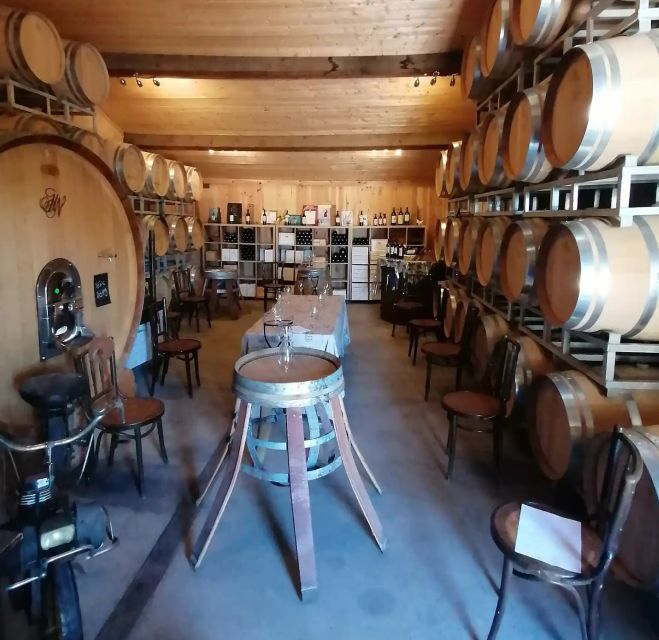
Next comes the barrel cellar, where aging takes the spotlight. You’ll see the methods used for maturation and get a sense of how time changes wine character.
This is a smart stage of the itinerary because it’s the bridge between the winemaking mechanics you saw earlier and the flavors you’ll taste later. Fermentation and pressing influence what goes into the barrels; aging shapes how it becomes drinkable and expressive.
Even if you don’t consider yourself a wine person, this part can be satisfying. Aging is one of those topics that sounds slow and boring until you realize it’s where a lot of the personality is created.
And yes, this is also where you can get better at tasting. You’ll start noticing differences that line up with the guide’s explanations.
The tasting: four Saint-Émilion wines, including two Grand Cru
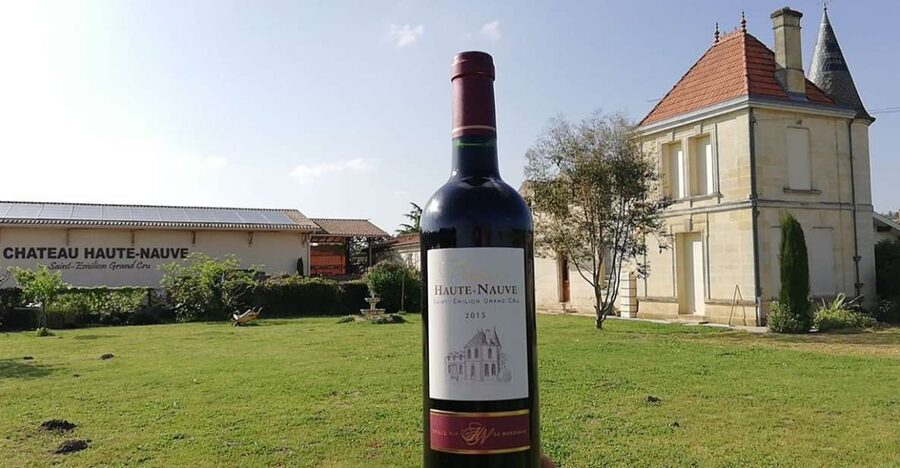
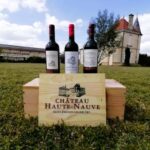
The tour ends with a guided tasting of four wines produced at the château. Two of them are Grand Cru appellation wines, so you get a nice range: everyday approachable styles plus bottles that often demand a bit more attention.
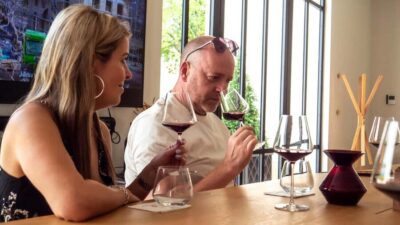
The tasting is guided, not just a free-for-all pour. You’ll be encouraged to compare, and you’ll get explanations that help you connect the vineyard and cellar steps to what ends up in the glass. That’s the key value of the tasting: it becomes a learning tool rather than a souvenir.
In several cases, the best wine experience for visitors isn’t about finding the most expensive bottle—it’s about learning to taste with a framework. This tasting gives you that framework without making it feel like a test.
If you like buying wine, you’ll have the chance to browse the estate’s collection at the end and purchase bottles to take home. The tour includes tasting, so you can make decisions based on what you actually enjoy.
Buying wine without pressure (and how to make it worth it)
The good news is you’re not forced into a purchase. You’ll have the option after tasting, and the guide can point you toward what fits what you liked.
To make the buying part feel smarter, do this:
- Taste first, then ask what the guide recommends if you liked a certain style
- Consider buying one bottle you’ll drink soon and one you’ll open later
- If you’re planning multiple days in France, think about transport and weight before you buy too much
This tour is also a great fit if you want a meaningful bottle to bring home. It’s not just a label—you’ve seen the vineyard, the cellar equipment, and the aging process that created the wine.
Who this tour suits best
This is a strong choice if you want a hands-on Saint-Émilion vineyard walking tour with a family-run feel. It’s also great if you care about the process, not just the tasting. The itinerary covers growing, vinification (fermentation, pumping, pressing), and barrel aging, so you’ll leave with a complete picture in a short time.
It’s especially good for small groups because the tour is limited to 10 participants. Smaller groups tend to make guides more willing to answer questions and adjust pacing.
It might be less ideal if you want a full day excursion or if you’re looking for a tasting-heavy route with lots of different producers. This is one estate, done thoroughly.
If you’re traveling with kids, a guided estate tour can work well when everyone’s curious. The walk is manageable, but comfortable shoes still matter.
And if you need wheelchair accessibility, this tour is listed as wheelchair accessible, which is rare for vineyard walking experiences.
Should you book Château Haute-Nauve?
I’d book it if you want a low-stress, high-information wine afternoon in Saint-Émilion. For $29 and two hours, you get vineyard walking, cellar access, and a guided tasting of four wines including two Grand Cru. That’s a lot of value for one stop.
Book it if you like learning from owners who work the land, not just from someone reading a script. The mother-and-son hosting (Marie-Anne or Florent) is part of the appeal. The tour also has enough “real life” details—like the wind turbine and the tall bottle tool—that it won’t feel like you’re stuck in a lecture.
Skip it if you’re craving a food-focused outing or a multi-estate tasting day. This is for people who enjoy vineyards, winemaking steps, and a guided glass-by-glass experience.
If you’re deciding between doing nothing in Saint-Émilion wine country and doing this, I’d choose this.
FAQ
How long is the Château Haute-Nauve vineyard and tasting tour?
The tour lasts 2 hours.
What is included in the $29 per person price?
You get a guided visit of the vineyard and cellars with the owner, plus a guided tasting of four wines from the château.
Where do I meet the guide?
Meet inside Château Haute-Nauve. There’s a car park near the large building with solar panels, under the purple château sign.
Do I need transport, or can I arrive on my own?
Transport is not included, and you’re recommended to arrive by car. The château is about 3 km from the village of Saint-Émilion.
Is the tour offered in English?
Yes. The live guide provides the tour in French and English.
Is the tour wheelchair accessible?
Yes, the tour is listed as wheelchair accessible.
Is food included during the tour?
No. Food is not included, so plan to eat before or after your visit.
Can I cancel and get a refund?
Yes. The tour offers free cancellation up to 24 hours in advance for a full refund.
Bordeaux on Foot
More Bordeaux Cellar Doors
Saint-Emilion, Chateau by Chateau
Just Added: Fresh Bordeaux Reviews
Saint-Émilion Wine Tours, compared.
 ★ 4.8From Bordeaux: Afternoon Saint-Emilion Wine Tasting & snackFrom $1121,581 reviews
 ★ 5.0Medoc or Saint Emilion Wine Tasting and Chateau from BordeauxFrom $1141,415 reviews
 ★ 5.0Saint Emilion Day Trip with Sightseeing Tour & Wine Tastings from BordeauxFrom $2501,120 reviews
 ★ 4.5Saint Emilion Half-Day Trip with Wine Tasting & Winery Visit from BordeauxFrom $1331,034 reviews
 ★ 4.7From Bordeaux: St. Emilion Village Half-Day Wine TourFrom $129728 reviews
 ★ 4.9From Bordeaux: St-Emilion Day Tour with Tastings and LunchFrom $177714 reviews
 ★ 5.0Saint-Emilion Electric Bike Day Tour with Wine Tastings & LunchFrom $217696 reviews
 ★ 4.6From Bordeaux: Half-Day Saint-Émilion Tour and Wine TastingFrom $102657 reviews
Browse the lists this tour appears in