
Reviewed · SAINT-ÉMILION WINE TOURS
From Bordeaux: Saint-Emilion Wine Tasting Tour
Saint-Émilion isn’t just a postcard. This tour strings together two estates and the village so you get the full wine-country feeling in just 5 hours. You’ll taste at least 5 wines, and the day is paced so you’re not rushed between stops.
What I like most is the mix of family-run winemaking and a stop at a Grand Cru / Grand Cru Classé château, which gives you two different looks at how these wines get made and presented. One thing to consider: the tour runs with English and French, and on-the-ground language experience can vary by departure, so confirm your language when booking.
In This Review
- Key moments worth planning for
- Bordeaux to Saint-Émilion: the 9-seater van and timing that feels efficient
- The ride sets the wine story: what you learn on the way
- Saint-Émilion village: where the stone streets match the wine mood
- First estate stop at Saint-Émilion Grand Cru: the family-run experience
- Château time: Grand Cru or Grand Cru Classé and a second tasting focus
- What the tastings really mean for you: pace, wine count, and how to taste
- Price and value around $113: where your money actually goes
- Who this Saint-Émilion tour fits best (and who should consider a private day)
- Should you book this Saint-Émilion wine tasting tour from Bordeaux?
- FAQ
- What time does the tour start from Bordeaux?
- How many wines will we taste on this tour?
- Do we get lunch during the tour?
- What is included in the tour price?
- Where do we meet the guide?
- What should I bring, and who can’t join?
Key moments worth planning for
- 5 wine tastings minimum across two estates, not just one quick sample session
- Village time in Saint-Émilion, with the option of guided context or free time depending on your wishes
- Family-run estate visit with a tour of technical facilities and a vine-to-bottle look
- Local aperitif with cheese, sausage, crackers, and chocolate (not a full lunch)
- Small-group vibe with a limit of 8 participants traveling in a 9-seater van
More Saint-Emilion, chateau by chateau
- Medoc or Saint Emilion Wine Tasting and Chateau from Bordeaux★ 5.0 · 1,415 reviews
- Saint Emilion Day Trip with Sightseeing Tour & Wine Tastings from Bordeaux★ 5.0 · 1,120 reviews
- Saint Emilion Half-Day Trip with Wine Tasting & Winery Visit from Bordeaux★ 4.5 · 1,034 reviews
- From Bordeaux: St. Emilion Village Half-Day Wine Tour★ 4.7 · 728 reviews
Bordeaux to Saint-Émilion: the 9-seater van and timing that feels efficient
This is a very doable day trip if you want to get out of Bordeaux without the stress of driving. You meet at 1 Place Stalingrad in Bordeaux, in front of the LCL Bank, then head out by van (limited to 8 participants).
Two departures run each day: a morning tour leaves 8:30 a.m. and the afternoon tour leaves 1:30 p.m. The structure matters. You get enough time to visit the village and tour two different estates, but it’s still short enough that you’re back in Bordeaux the same day.
If you hate feeling stuck on long bus rides, you’ll probably enjoy the format. It’s compact, and the guide uses the travel time to set up what you’ll see next.
The ride sets the wine story: what you learn on the way
On the way from Bordeaux to Saint-Émilion, your guide fills in the background on both wine regions. That’s not filler. It helps you understand why Saint-Émilion wines have their own identity, and what people mean when they talk about terroir and classification.
Even if you’re new to wine, you’ll walk away with a better sense of what to pay attention to during tastings: how different estates approach the same grape varieties, and how the wine’s style can reflect the choices made in the vineyard and in the cellar.
One plus: the pace gives you time to ask questions. Guides in this format usually have room to respond, especially in a small group.
Saint-Émilion village: where the stone streets match the wine mood
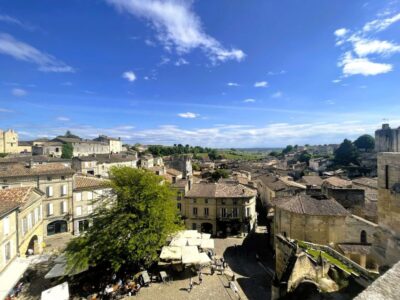
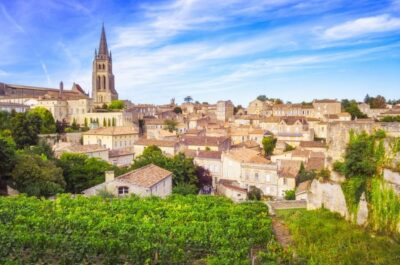
Once you arrive, you get a guided look at Saint-Émilion (or free time, depending on what you prefer). This is one of the best ways to understand the region beyond grapes and barrels.
The village is built for walking. You’ll get a feel for the old-stone character and the atmosphere that makes people slow down here. One detail that stood out from real experiences: some visits include a moment connected to a cloister, where a sparkling wine tasting can pop up as a bonus. It may not be guaranteed every day, but it’s the kind of extra that makes the village stop feel more memorable than a simple photo break.
Practical tip: if you’re planning to browse shops or just wander, the village portion is when to do it. By the time you’re heading to the estates, you’ll be focused on scheduling and tasting.
Other plates and pours worth the detour



First estate stop at Saint-Émilion Grand Cru: the family-run experience
The first wine stop is an authentic family-run estate in Saint-Émilion. You’ll tour the property and learn the basics of how the wine goes from vine to bottle. This part matters because you’re not just tasting. You’re seeing how the process is organized and why certain decisions happen where they do.
Then comes the tasting, which is the heart of the visit:
- You’ll enjoy a tasting of three wines
- It’s paired with an aperitif made from local products: cheese, sausage, crackers, and chocolate
A big note: this is not lunch. It’s meant to keep you comfortable between tastings, not to replace a meal. If you’re hungry, plan a real lunch back in Bordeaux or eat something light before the tour starts.
Why I think this stop is worth it: family-run estates often show you the human scale of winemaking. The technical facilities and the explanations tend to feel practical, not overly polished. And because the tasting is paired with local bites, it’s easier to notice what different wines taste like alongside food.
Also, the total tasting count here supports the tour promise. You’re building toward that minimum of 5 wines by the time you reach the second château.
Château time: Grand Cru or Grand Cru Classé and a second tasting focus
After the village and your first estate, the tour brings you to a prestigious château from Saint-Émilion: Grand Cru or Grand Cru Classé. This is where the experience shifts. Instead of a smaller family setting, you get a more formal estate visit and a different tasting style.
You’ll have a guided visit, then taste two wines minimum. That second tasting is useful because it compares like with like: similar region, serious quality, but different estate choices.
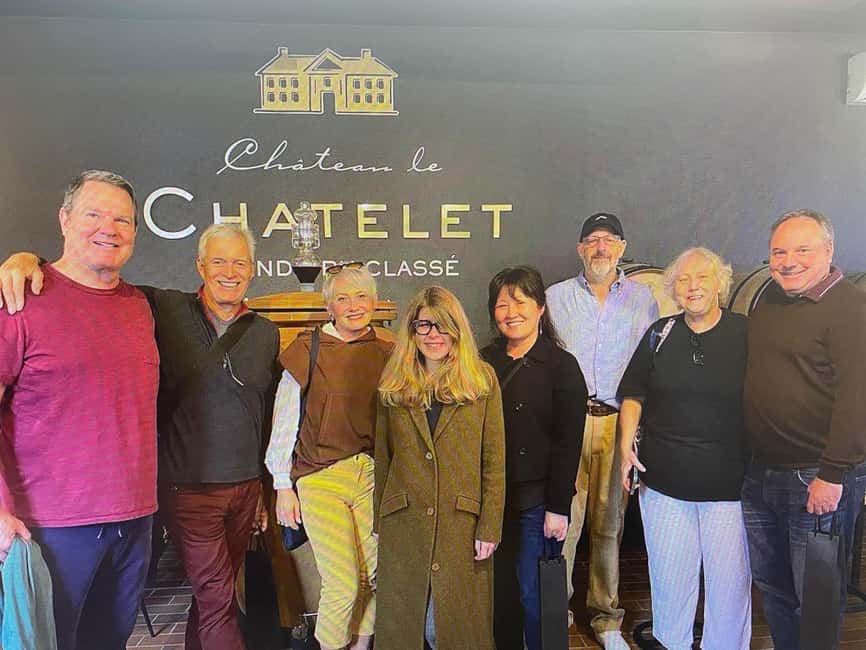
One personal-style detail that comes through in real guide experiences: you might meet a guide connected to the people who run the château day to day. In one case, the guide was Virginia, described as a 5th generation member of the owner’s family. Even if you don’t get the same guide, the point stands: this stop often feels personal rather than industrial.
What the tastings really mean for you: pace, wine count, and how to taste
It’s easy to book a wine tour and end up with nothing but blurry sips. This one has built-in structure: two estates, multiple tastings, and short explanations that keep you oriented.
Here’s why the minimum 5 wines matters:
- You get enough variety to notice differences in style
- You can compare estate approaches instead of memorizing one standout wine
- The tastings aren’t all dumped at once. You’ll have breaks and context from the visits
You’ll also be tasting in a real order: you start with the family-run estate and then move to a château. That pacing tends to help you reset your palate and keep the comparisons meaningful.
Simple tasting strategy you can use on the day:
- Taste, then take a breath and eat a bite from the aperitif
- Don’t worry about sounding smart. Ask questions about what you like
- Pick one or two traits you notice (fruit, tannin, freshness) and compare them across the wines
If you’re not a big wine person, this structure still helps. You’ll leave with a practical sense of what you enjoy, not just a head full of names.
Price and value around $113: where your money actually goes
At about $113 per person for roughly 5 hours, the value comes from the mix of things that are usually expensive or hard to organize yourself:
- Transport from Bordeaux in a small van
- A local guide/driver
- Visits to two estates
- 5 wines minimum
- A local aperitif with cheese, sausage, crackers, and chocolate
- Time in Saint-Émilion village
You’re also not paying for a full lunch, which keeps the price lower. You should budget for lunch on your own because it’s not included.
When I think about value, I look at how many separate “experiences” you get. Here, you get a village moment plus two distinct estates plus multiple tastings. That’s a lot for a single half-day schedule, especially if you don’t want to plan drivers and reservations.
Who this Saint-Émilion tour fits best (and who should consider a private day)
This is a great fit if you:
- Want a small group (limit of 8)
- Like organized wine education, not just sampling
- Want both village atmosphere and estate visits without doing it all yourself
It’s also well suited for first-timers. The guide helps translate the wine region into something you can actually follow during tastings.
A few restrictions to be aware of:
- Children under 14 are not allowed
- Animals are not allowed
- You’ll need a passport or ID card
- Sports shoes are not allowed
If that ruleset won’t work for your group, a private tour would likely be the better match based on how the tour is set up for comfort and flow.
Should you book this Saint-Émilion wine tasting tour from Bordeaux?
If your goal is a high-value half-day that covers the essentials—village + two estates + 5+ tastings + local aperitif—this tour is an easy yes. The small-group format helps the day feel personal, and the pairing of education with tastings makes it more than a hit-and-run wine stop.
Book it if you want structure and comparisons. Consider a different option if you’re very sensitive to tasting schedules or if you have specific language expectations—check your tour language so you get what you want.
FAQ
What time does the tour start from Bordeaux?
There are two departures: the morning tour leaves at 8:30 a.m., and the afternoon tour leaves at 1:30 p.m.
How many wines will we taste on this tour?
You’ll do 5 wine tastings minimum. At the first estate, you’ll taste three wines, and at the second château you’ll taste at least two wines.
Do we get lunch during the tour?
No. You get a local aperitif with cheese, sausage, crackers, and chocolate, but it is not a full meal.
What is included in the tour price?
The tour includes transport from Bordeaux in a 9-seater van, a local guide and driver, visits to two wine estates, at least 5 wine tastings, a local aperitif, and a guided tour of Saint-Émilion or free time depending on your wishes.
Where do we meet the guide?
You meet at 1 Place Stalingrad, 33100 Bordeaux, in front of the LCL Bank.
What should I bring, and who can’t join?
Bring a passport or ID card. Unaccompanied minors are not allowed, children under 14 are not allowed, animals are not allowed, and sports shoes are not allowed.
More Tours in Bordeaux




More Tour Reviews in Bordeaux


Saint-Emilion, Chateau by Chateau
Just Added: Fresh Bordeaux Reviews




Saint-Émilion Wine Tours, compared.
 ★ 4.8From Bordeaux: Afternoon Saint-Emilion Wine Tasting & snackFrom $1121,581 reviews
 ★ 5.0Medoc or Saint Emilion Wine Tasting and Chateau from BordeauxFrom $1141,415 reviews
 ★ 5.0Saint Emilion Day Trip with Sightseeing Tour & Wine Tastings from BordeauxFrom $2501,120 reviews
 ★ 4.5Saint Emilion Half-Day Trip with Wine Tasting & Winery Visit from BordeauxFrom $1331,034 reviews
 ★ 4.7From Bordeaux: St. Emilion Village Half-Day Wine TourFrom $129728 reviews
 ★ 4.9From Bordeaux: St-Emilion Day Tour with Tastings and LunchFrom $177714 reviews
 ★ 5.0Saint-Emilion Electric Bike Day Tour with Wine Tastings & LunchFrom $217696 reviews
 ★ 4.6From Bordeaux: Half-Day Saint-Émilion Tour and Wine TastingFrom $102657 reviews
Browse the lists this tour appears in