
Reviewed · BORDEAUX WALKING TOURS
Bordeaux: Guided Walking Tour
Two hours in Bordeaux, and it clicks fast. This guided walk is a smart way to understand why Bordeaux became a UNESCO World Heritage Site, while still enjoying the city as you actually experience it. You’ll see the big public squares, then slip into the tight Old Town streets with small shops and quick stories that explain what you’re looking at.
I especially like the contrast: Place des Quinconces feels huge and dramatic, then the walk pulls you into smaller scale streets that make the city feel human. I also like how the tour ends around the Place de la Bourse reflecting pool and the romantic Garonne bridges, so you get images that are both scenic and meaningful. One possible drawback: the format can be a bit slower than a single-language tour, since the morning is bilingual and the afternoon on Saturdays runs only in French, so keep your expectations realistic if you strongly prefer English nonstop.
In This Review
- Key highlights you’ll notice right away
- Where to start: Bordeaux Tourist Office at Cours du 30 Juillet
- Place des Quinconces: the big square that teaches Bordeaux geometry
- Neo-classical avenues, theaters, town halls, and the city’s reform-minded ideas
- The Grand Theater area: architecture you can read like a clue
- Saint-Pierre Old Town lanes: where Bordeaux feels local
- Place de la Bourse reflecting pool: the scenery with a purpose
- Garonne River bridges: romantic views and city attitude
- Morning bilingual vs Saturday French-only afternoon: plan around language
- The right length (and how to get the most out of it)
- Price and value: $17 for a UNESCO-level orientation
- Who this tour fits best (and who should skip it)
- Should you book this Bordeaux walking tour?
- FAQ
- How long is the Bordeaux guided walking tour?
- Where do I meet the guide?
- Is the tour bilingual?
- What language options does the live guide offer?
- What should I bring?
- Are luggage or large bags allowed?
- Do I need my ticket when I arrive?
- What if I need to cancel?
Key highlights you’ll notice right away
- Place des Quinconces: one of Europe’s largest squares, explained with city-planning context
- Bilingual guide in the morning (French/English), so you can follow closely without guessing
- Old Town streets: narrow paved lanes, small shops, and a sense of local rhythm
- Place de la Bourse reflecting pool: classic Bordeaux scenery with a clear story behind it
- Garonne River bridges: the romantic walk-and-look payoff for your photos and your understanding
- Enlightenment ideas: you’ll connect philosophers and urban design, not just admire buildings
Bordeaux at walking pace, more routes
- Private – Best of Bordeaux Walking Tour + Glass of Bordeaux Wine★ 5.0 · 240 reviews
- Professional – Bordeaux Wine and Cheese Tasting with a walking tour★ 5.0 · 218 reviews
- 2-Hour Walking Tour of the City’s Iconic Sights and History★ 4.0 · 207 reviews
- Bordeaux: Mystery and Myths Walking Tour★ 4.8 · 187 reviews
Where to start: Bordeaux Tourist Office at Cours du 30 Juillet
I like walking tours that start clearly, and this one does. Meet your guide at the Bordeaux Tourist Office on Cours du 30 Juillet. Give yourself a cushion: arrive about 10 minutes early, and have your downloaded or printed e-ticket ready for each person.
This is a straightforward walking experience, not a bus tour. Wear comfortable shoes. Also plan light—no luggage or large bags. That matters because tight Old Town lanes are part of the point, and bulky bags just make it harder for everyone.
If you’re wondering about guides: previous groups have been led by people like Bruno, Alcides, and Christine (and others). The style varies slightly by guide, but the common thread is pacing and city context—turning stones-and-streets into a story you can remember.
Place des Quinconces: the big square that teaches Bordeaux geometry
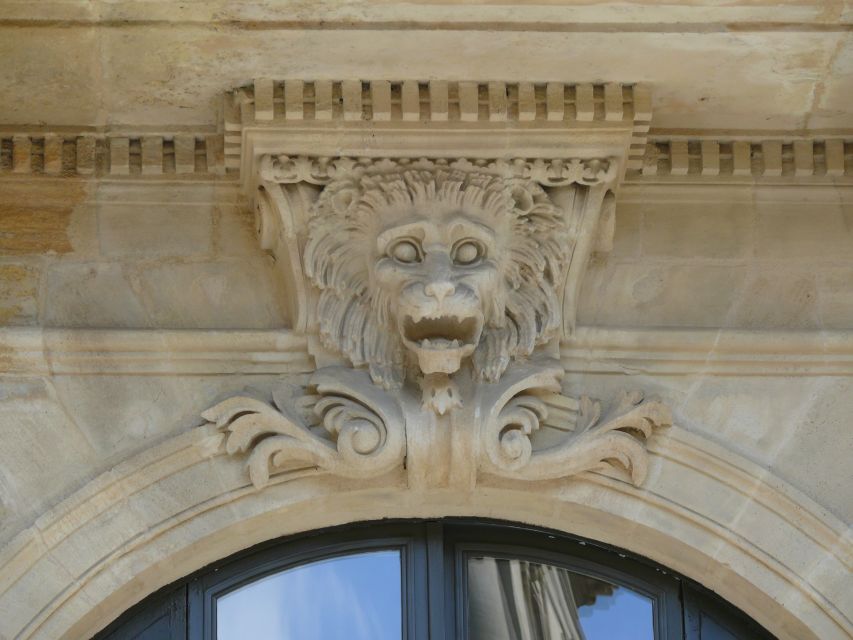
The tour gives you an early mental map. You’ll head to Place des Quinconces, which is known as one of the largest squares in Europe. Standing there, it’s easy to see why the space feels theatrical—wide, open, and built for public life.
What I like about this stop is that it’s not only a photo moment. Your guide ties the square into Bordeaux’s urban design logic: how the city’s grand planning sits next to neighborhoods that feel older and more intimate. You start to notice scale—what’s meant to feel powerful, and what’s meant to feel walkable.
In practical terms, this is also a great early reset. After you gather together, you get a sense of direction. You’ll be moving through the center with better context, instead of just following landmarks like checkboxes.
Neo-classical avenues, theaters, town halls, and the city’s reform-minded ideas
After the big open space, the tour shifts gears into the mix that makes Bordeaux interesting: broad avenues on one side, more intricate urban texture on the other. You’ll pass the theaters, town halls, and private mansions, with squares, parks, and fountains showing up along the way.
This is where the tour can feel extra valuable if you like understanding why cities look the way they do. You’ll hear how Enlightenment philosophers influenced the urban landscape, so the architecture stops being random. It becomes a snapshot of how Bordeaux thought about order, design, and public life.
A small practical note: some parts of the route include more standing and listening than you might expect. That’s normal for this kind of story-driven walking tour. Bring patience, and you’ll get a clearer picture of Bordeaux’s “why,” not just its “what.”
Let a local take the lead, more easy days



The Grand Theater area: architecture you can read like a clue
You’ll spend time near the Grand Théâtre area as part of the classic center circuit. Even if you’re not an architecture buff, this is one of those places where details reward your attention: proportions, the way the street opens up, and how the surrounding buildings frame the view.
I like that the tour uses these moments to keep your attention anchored. Instead of only naming buildings, your guide explains how the city’s layout shapes movement and sightlines. That’s the kind of info you can’t easily get from a quick guidebook glance.
Saint-Pierre Old Town lanes: where Bordeaux feels local
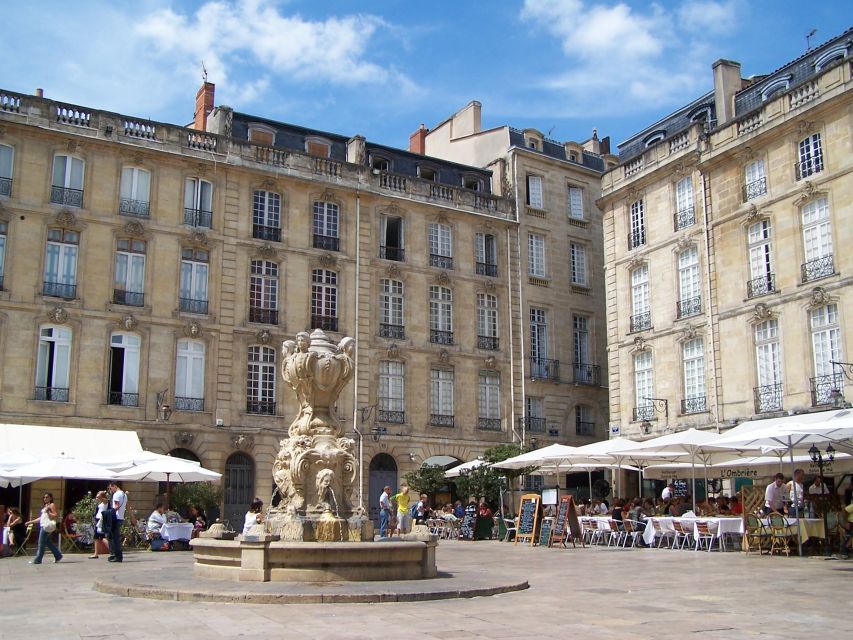
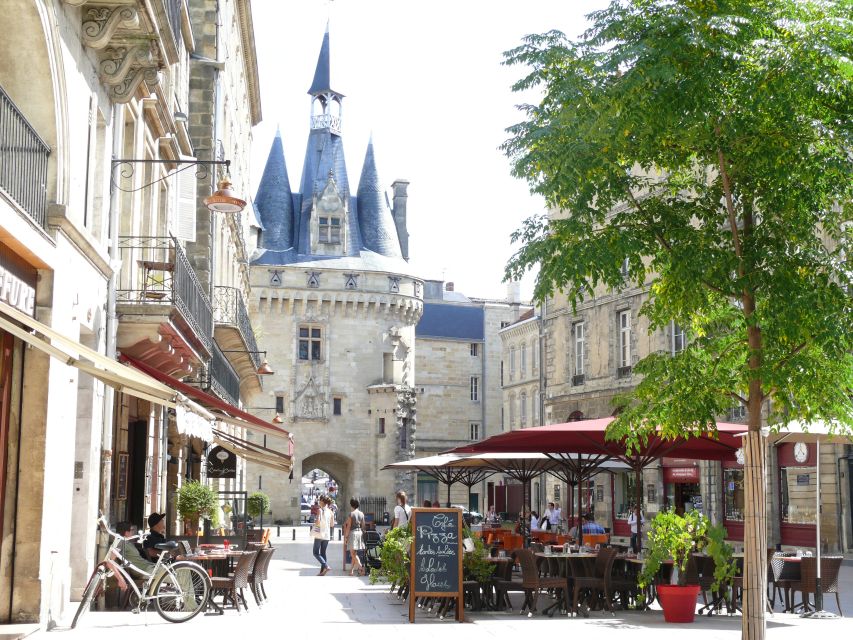
Next comes the part that often wins people over: the Saint-Pierre neighborhood. This is where Bordeaux’s personality changes from monumental to intimate. Expect narrow paved streets, close-set buildings, and little storefront energy.
This stop works because it’s not just about seeing old streets. You’ll get context for what you’re walking through—how different eras and planning decisions leave traces in the urban fabric. It’s the difference between visiting a city and starting to recognize its patterns.
Also, this is a good time to slow down and actually look at doors, window shapes, and street corners. The tour encourages that style of observation, and it fits the Old Town well.
One possible consideration: if you’re the type who needs constant photo-stop access, this section may feel a bit “story-first.” The tradeoff is that you’ll leave with a stronger memory of what you saw and why it matters.
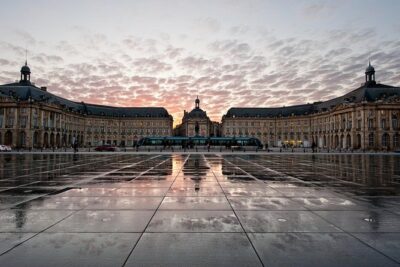
Place de la Bourse reflecting pool: the scenery with a purpose
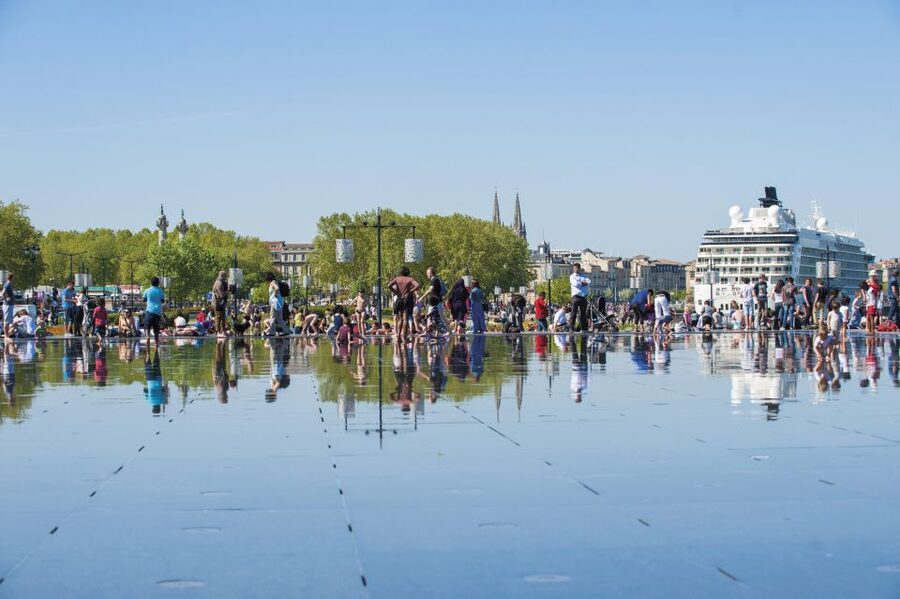
Then you arrive at Place de la Bourse and its reflecting pool. This is where Bordeaux goes full postcard, but with guidance you get more than pretty water and perfect symmetry.
I like this stop because it gives your brain a visual reward after the earlier planning and design talk. You also get a clear sense of how Bordeaux uses public space to stage its identity—where water, stone, and open areas work together.
If you’re trying to decide whether a walking tour is worth it versus wandering on your own, this is the exact kind of moment that makes the tour pay off: you’re not only seeing a famous spot—you’re understanding how it fits into the city’s broader story.
Garonne River bridges: romantic views and city attitude
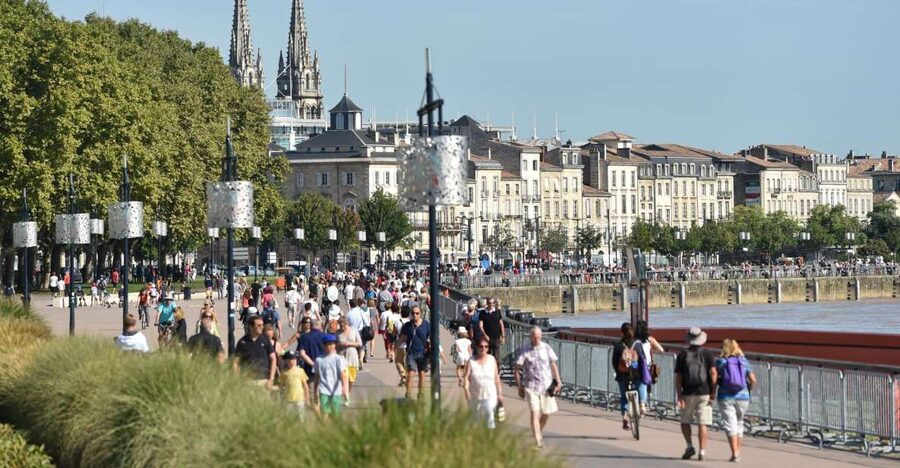
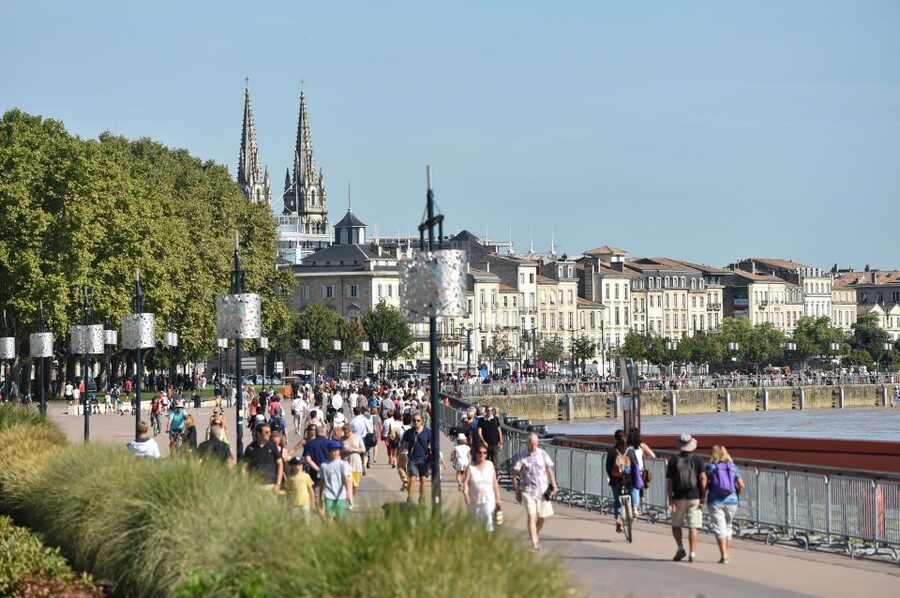
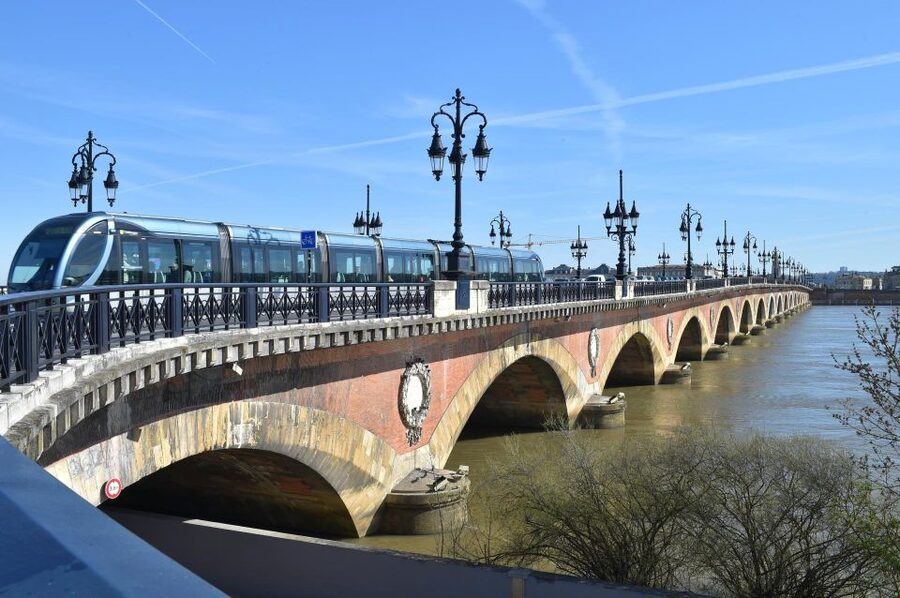
The tour continues toward the Garonne River, including the romantic bridges that define Bordeaux’s riverside charm. If you’ve seen Bordeaux photos, this is the portion your camera will want to capture.
What makes the bridges section worth your time is the balance. Yes, you get classic views, but you also get explanation tied to the city’s center and how people historically connected neighborhoods through the river.
This is also a nice momentum shift. Walking tours can feel like they blur together. The bridges section acts like a reset: you get air, you get perspective, and you get a satisfying “wow, that’s Bordeaux” finish to the core portion of the walk.
Morning bilingual vs Saturday French-only afternoon: plan around language
One of the most practical things to know is the language schedule. The tour is bilingual French/English in the morning, and on Saturday afternoons it’s only in French.
In a mixed-language group, it can feel like the tour splits the attention. Many people love the bilingual approach because it reduces guessing, and it can give you that extra comfort if your French is basic or nonexistent. You may also hear the guide repeat key points in English if your group is mostly English-speaking—some groups have specifically appreciated that kind of adjustment.
If you’re visiting on a Saturday and you want the whole experience in English, consider picking a morning departure. If you don’t mind French-only portions, the afternoon still offers plenty, and the route focuses on outdoor landmarks you can enjoy even while listening.
The right length (and how to get the most out of it)
The tour runs about 105 minutes to 2 hours. That’s a sweet spot. Long enough to connect the city’s major pieces, short enough that you don’t feel trapped in one neighborhood all day.
Reviews strongly reflect that this length tends to feel right: enough time to cover the essentials without turning into a stamina test. You’ll walk through several distinct zones—big squares, classic architecture areas, Old Town lanes, then river-side views—so the experience changes texture as you go.
To get more out of it, do two simple things:
- Ask questions when your guide pauses near a landmark.
- Use comfortable pacing. If you’re slow with photos, you can still hear the story; if you sprint ahead, you may miss the context.
Price and value: $17 for a UNESCO-level orientation
At $17 per person, this is one of those “small cost, big value” city orientations—especially if you’re only in Bordeaux for a day or two. You’re not paying for a fancy add-on. You’re paying for someone local to explain what you’re seeing and connect the dots.
If you’ve ever walked through a historic center and thought, I love this, but I don’t really know why it looks like this—this is the fix. You get a guided understanding of Bordeaux’s planning, Enlightenment influence, and how the UNESCO core holds together.
That value also comes from the efficiency of the route: you hit several high-impact sights in one stretch, without the dead time of transportation.
Who this tour fits best (and who should skip it)
This is a strong choice if you:
- Want a quick orientation to Bordeaux’s historic center and UNESCO story
- Like walking through Old Town streets but want context so it doesn’t feel like aimless wandering
- Prefer local storytelling over reading plaques
You might consider a different option if you:
- Want a strictly single-language experience all the way through (especially on Saturday afternoon)
- Really struggle to hear the guide in outdoor conditions (rain and crowd noise can make audio harder, and sound projection varies by guide)
Should you book this Bordeaux walking tour?
If you’re weighing whether to spend money on a guided walk, I’d lean yes—especially for a first visit. For $17 and about two hours, you get a structured path through Bordeaux’s most recognizable core sights, plus the kind of historical and design context that makes the city feel less like random scenery.
Book it if you want to get your bearings fast and leave with a mental map of how Bordeaux works. Skip or switch timing if you know you need uninterrupted English and you’re traveling on a Saturday afternoon.
If you do book, show up early with comfortable shoes, keep your bag situation simple, and be ready to look up as much as you look ahead. Bordeaux rewards attention—and this tour teaches you where to aim it.
FAQ
How long is the Bordeaux guided walking tour?
It runs for about 105 minutes to 2 hours.
Where do I meet the guide?
You meet the guide at the Bordeaux Tourist Office on Cours du 30 Juillet.
Is the tour bilingual?
Yes. The tour is bilingual French/English in the morning. On Saturday afternoons, it is only French.
What language options does the live guide offer?
The live guide is available in English and French.
What should I bring?
Bring comfortable shoes.
Are luggage or large bags allowed?
No. Luggage or large bags are not allowed.
Do I need my ticket when I arrive?
Yes. Present your downloaded or printed e-ticket for each person, and arrive 10 minutes before departure.
What if I need to cancel?
You can cancel up to 2 days in advance for a full refund.
More Tours in Bordeaux





More Tour Reviews in Bordeaux



Bordeaux on Foot

Just Added: Fresh Bordeaux Reviews

Bordeaux Walking Tours, compared.
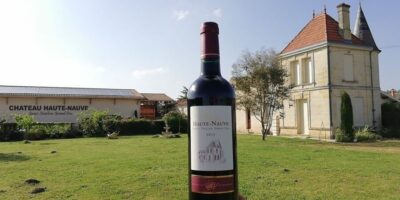 ★ 5.0Saint-Émilion: Vineyard Walking Tour and TastingFrom $29404 reviews
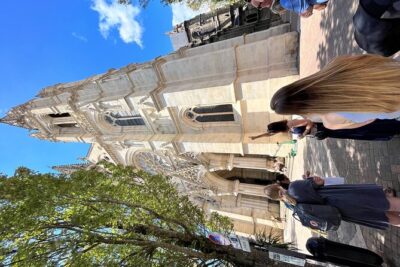 ★ 5.0Private – Best of Bordeaux Walking Tour + Glass of Bordeaux WineFrom $102240 reviews
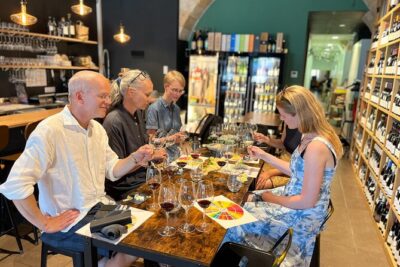 ★ 5.0Professional – Bordeaux Wine and Cheese Tasting with a walking tourFrom $78218 reviews
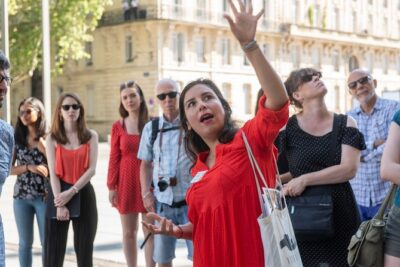 ★ 4.02-Hour Walking Tour of the City’s Iconic Sights and HistoryFrom $17207 reviews
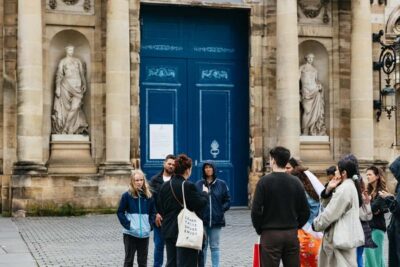 ★ 4.8Mystery and Myths Walking TourFrom $20187 reviews
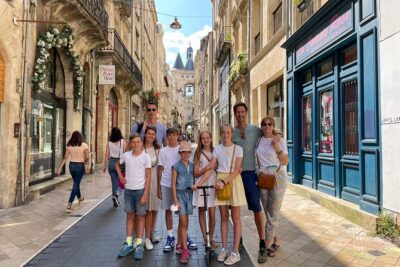 ★ 5.0Bordeaux City – Private Guided Walking Tour with Local SophiaFrom $104164 reviews
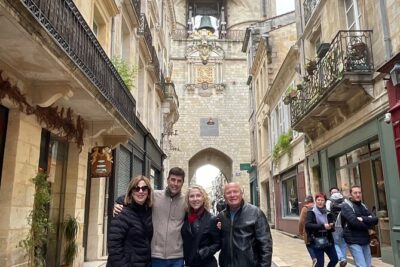 ★ 5.0Bordeaux Walking Tour with a Local Private GuideFrom $11497 reviews
 ★ 4.9Exclusive! Bordeaux: Nighttime Highlights Walking TourFrom $6485 reviews
Browse the lists this tour appears in