
Reviewed · CITé DU VIN & WINE MUSEUMS
Bordeaux Wine and Trade Museum Admission Ticket with Wine Tasting
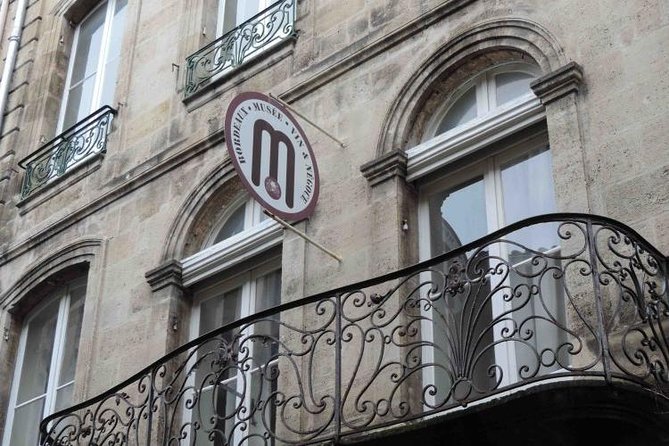
Wine history lives in a real Bordeaux cellar. This ticket turns the Musée du Vin et du Negoce into your classroom, set in vaulted trade cellars tied to the era of Louis XV’s royal broker world, then ends with a tasting of two classic grapes. I especially like the wine-trade focus (négociants, merchants, and how Bordeaux moved wine around), and I love that the staff use the tasting to teach Merlot vs Cabernet Sauvignon in practical terms. One possible drawback: because it’s a cellar built to hold humidity, the setting can smell musty, which matters if you’re sensitive to strong odors.
You’re looking at about 1 to 2 hours, and it’s offered multiple times throughout the day. The visit feels self-guided, with English notes and staff available, and the tasting happens at the museum’s boutique at the end.
In This Review
- Key Things to Know Before You Go
- Musée du Vin et du Negoce: Why This Bordeaux Wine Museum Feels Different
- In the Cellars: Louis XV, Coopers, and the Humidity Reality
- The Self-Guided Visit in English: How to Make It Worth Your Time
- What You Learn on the Way: From “Two Seas” to Chartrons
- Wine Tasting at the End: Two Wines, One Clear Comparison
- Merchant Wines vs Chateau Wines: The Bordeaux Distinction That Sticks
- Price and Value: Is $14.51 Worth It?
- Practical Tips: Don’t Confuse It With Bordeaux’s Other Wine Attraction
- Who This Ticket Suits Best (And Who Might Want a Different Option)
- Should You Book This Bordeaux Wine and Trade Museum Ticket?
- FAQ
- What is included with the Bordeaux Wine and Trade Museum admission ticket?
- How long does the experience take?
- What wines are tasted?
- Is the experience offered in English?
- Is the museum visit self-guided?
- Does the tasting happen at the end of the visit?
- How many times per day is it offered?
- What are the opening hours?
- Can I get a refund if I cancel?
- Is it near public transportation?
Key Things to Know Before You Go
- Louis XV-era trade building: You’re touring a wine-broker setting, not a modern exhibit hall
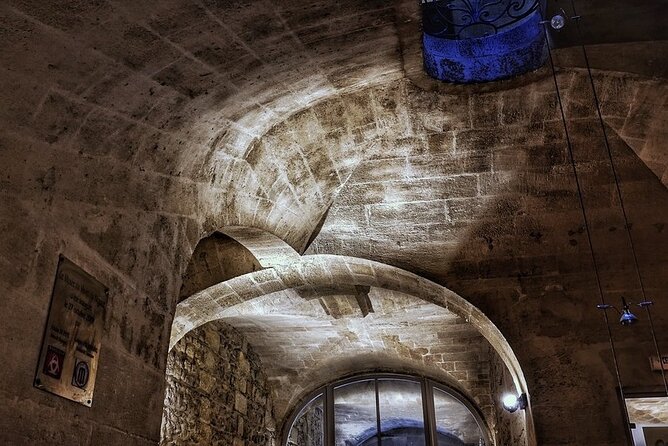
- Vaulted cellars from 1720: Learn aging and coopers’ work in the kind of place wine was actually stored
- English self-guided route: Follow the notes at your pace, then ask questions when you want
- Two-wine tasting: You’ll taste Merlot and Cabernet Sauvignon
- Merchant vs chateau explained: The museum ties wine style to how it’s bought and sold
- A compact visit: Many people finish in under two hours, so it fits even tight schedules
Bordeaux wine under one roof, more to see
- Bordeaux Wine and Trade Museum Admission Ticket with Wine Tasting★ 4.5 · 599 reviews
- Bordeaux: Museum of Illusions Entry Ticket★ 4.2 · 588 reviews
- Bordeaux: Wine and Trade Museum Entry Ticket & Wine Tasting★ 4.4 · 121 reviews
- Bordeaux: Wine History Tour with Tasting★ 4.8 · 13 reviews
Musée du Vin et du Negoce: Why This Bordeaux Wine Museum Feels Different
This isn’t just a museum where wine sits behind glass. The Musée du Vin et du Negoce is built around Bordeaux’s business side: the people who traded, aged, and shipped the region’s wines long before most visitors ever see a wine list.
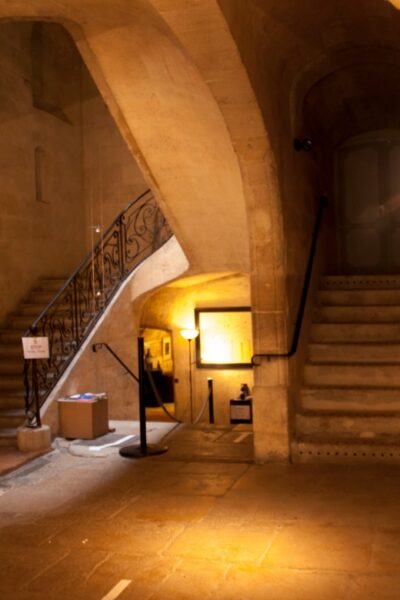
The setting helps. You tour in historic vaulted spaces connected to old wine trade practices, including cellars that reflect how wine was handled through the 1700s and into the 1800s. That means you’re learning in the same kind of environment where humidity and storage mattered, not in a climate-controlled showroom that could be anywhere.
If you want your Bordeaux wine education to include the “how it worked” part—who sold what, and why—this museum has a clear angle.
In the Cellars: Louis XV, Coopers, and the Humidity Reality
The museum’s story begins with the building itself. It’s described as being tied to the work of the royal broker Louis XV, and you’ll see how Bordeaux’s merchant culture shaped the region’s reputation. One of the standout details is the mention of vaulted cellars built in 1720, plus the role of coopers—those who made barrels—since aging and storage weren’t abstract concepts.
Here’s the practical part: you’ll be in old cellars. That’s great for atmosphere and accuracy, but it also means a cellar smell and a humid feel are part of the deal. If you’re the type who gets bothered by musty odors, plan to keep your visit short and focused on the exhibits you care about most.
The Self-Guided Visit in English: How to Make It Worth Your Time
The museum is laid out for self-guided wandering. The experience is supported with English explanations, and staff are there to answer questions when you want a human answer instead of reading another wall label.
In practice, this format works best if you set a small goal for yourself:
- Pick one theme to track as you go (trade history, aging practices, or the Bordeaux regions).
- Slow down at the parts that explain processes—how wine moves from production to buyer.
A few visitors note that the museum can feel information-heavy, with lots of text in folders or on walls. That can be a plus if you like reading, but it can also make the place feel like a quick scan if you’re not in the mood to absorb details. If you have limited time, don’t try to read everything; grab the highlights and let the wine tasting do the rest of the teaching.





What You Learn on the Way: From “Two Seas” to Chartrons
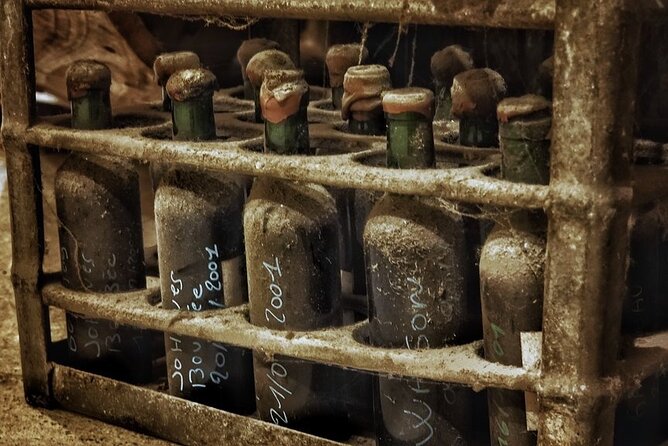
The exhibits aren’t only about grapes. You’ll also get a sense of Bordeaux’s broader trade world—collections that reach beyond the two seas, along with a strong emphasis on merchant families and cellar workers.
Architecture matters here too. The museum connects the spirit of Chartrons (a major part of Bordeaux’s wine identity) to an 18th-century style that still feels tied to the city’s trading history. You’re basically seeing how wine commerce shaped the look and function of Bordeaux itself.
This is one of the biggest reasons I think this ticket is a smart use of time. A lot of wine experiences stop at flavor. This one tries to explain the system behind flavor.
Wine Tasting at the End: Two Wines, One Clear Comparison
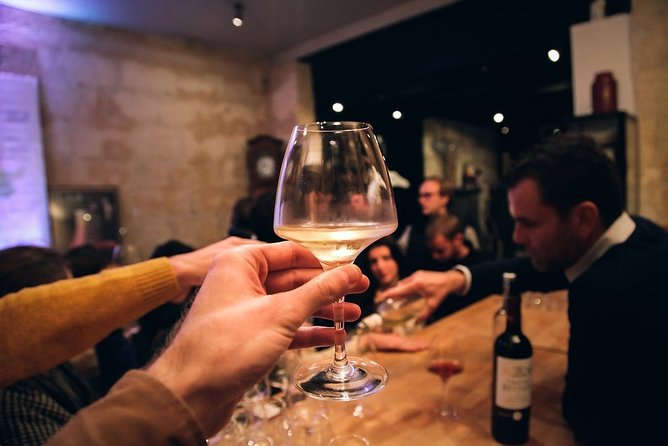
After your visit, you’ll get to taste two wines in the museum boutique: Merlot and Cabernet Sauvignon. The tasting is designed as an introduction, so the goal is less about scoring wines and more about training your senses to notice key differences.
What makes this valuable for first-timers is how the tasting is framed. You’ll learn how to differentiate the grape varieties—then you’ll connect that to broader Bordeaux choices, like the difference between merchant wines and chateau wines.
The tasting itself is short. That’s not a flaw if you treat it like an appetizer for your Bordeaux wine day. It also helps if you don’t want to spend the whole afternoon in one place.
Merchant Wines vs Chateau Wines: The Bordeaux Distinction That Sticks
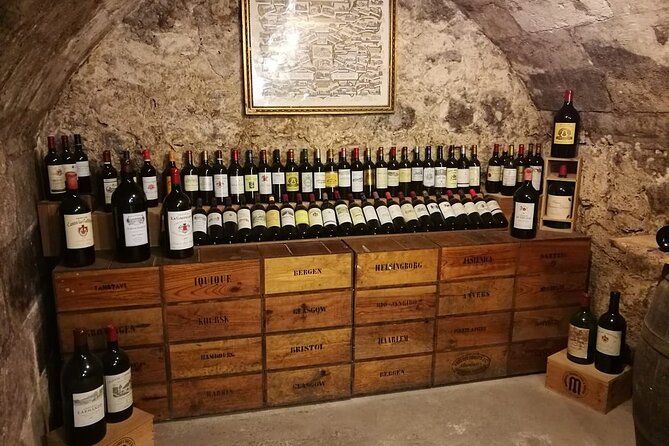
One of the museum’s promises is to explain the difference between a Merchant and Chateau wine. If you’ve ever wondered why “Bordeaux” can feel confusing—so many labels, so many styles—that’s exactly what this part is for.
In simple terms, the merchant (négociant) side of Bordeaux historically ties to how wine was sourced, blended, and sold by trade houses. The chateau angle points more directly to wines tied to a specific producer. The tasting and explanations work together so you’re not just reading definitions—you’re tasting the grapes and hearing how Bordeaux’s buying and selling system shapes what ends up in the glass.
Even if you don’t become a Bordeaux encyclopedia, you’ll probably walk out with a clearer mental map.
Price and Value: Is $14.51 Worth It?
At about $14.51 per person, this ticket is strong value because it bundles two things that often cost separately: museum admission plus a wine tasting of two wines.
If you price it like this, the value math becomes easier:
- You’re paying for a guided-feeling learning experience (with English support).
- Then you get a guided tasting moment that puts Merlot and Cabernet side by side.
Could you spend the same money elsewhere in Bordeaux and get more elaborate displays? Sure. But if you want something practical, compact, and focused on Bordeaux’s real wine trade story, this is a cost-effective way to do it without turning your day into a full-time job.
Also, it’s a good choice if you’re trying to sample Bordeaux wine culture without committing to a longer tour.
Practical Tips: Don’t Confuse It With Bordeaux’s Other Wine Attraction
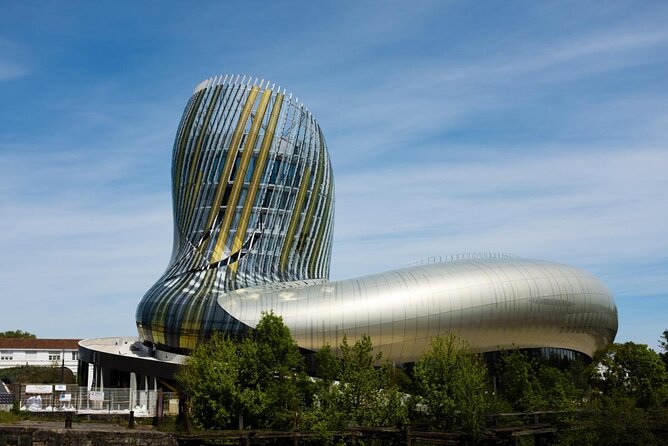
Bordeaux has more than one wine-related experience, and it’s easy to mix them up. Make sure you’re booking the Musée du Vin et du Negoce ticket with tasting, not a different Bordeaux wine museum with a similar name.
Inside, dress for a cellar-like feel. Even in warm months, old stone and humidity do what they do. And if you’re visiting with kids, there’s mention of kid-friendly activity during the tasting experience, including a scent-based game for children. It’s worth asking on arrival if that’s part of the tasting that day.
Finally, plan your pace. The museum is compact, and a quick read-through can still leave you with useful knowledge. If you’re a slow, “take it all in” traveler, you can spend longer, but many people finish around the 1–2 hour mark.
Who This Ticket Suits Best (And Who Might Want a Different Option)
This works especially well if you:
- Want Bordeaux context beyond grape names
- Like trade history, aging practices, or the business side of wine
- Prefer a smaller, more focused museum over big high-tech exhibitions
- Appreciate an English-supported experience without needing a full guided group tour
You might want to consider another option if you:
- Need very interactive exhibits to stay engaged
- Want a longer tasting session with deeper food pairing and more pouring
- Are highly sensitive to musty smells from old cellar environments
Should You Book This Bordeaux Wine and Trade Museum Ticket?
I’d book it if you want a short, clear Bordeaux wine education with a real cellar setting and a simple tasting lesson at the end. The price feels fair because you get more than just entry—you get Merlot and Cabernet Sauvignon in a way that helps you understand what you’re tasting.
Skip it only if your ideal wine experience is ultra-modern, highly interactive, or you know cellar odors will bother you. Otherwise, it’s an efficient way to spend a couple of hours in Bordeaux and leave with a better grasp of how the region’s wine trade shaped the bottles you’ll see next.
FAQ
What is included with the Bordeaux Wine and Trade Museum admission ticket?
The ticket includes a wine tasting.
How long does the experience take?
Plan on about 1 to 2 hours.
What wines are tasted?
You’ll taste two wines: Merlot and Cabernet Sauvignon.
Is the experience offered in English?
Yes, it’s offered in English.
Is the museum visit self-guided?
The experience is set up as a self-guided visit with English notes, and staff are available to help with questions.
Does the tasting happen at the end of the visit?
Yes. The tasting takes place in the museum boutique at the end of your visit.
How many times per day is it offered?
It’s offered multiple times throughout the day.
What are the opening hours?
Monday through Sunday, 10:00 AM to 6:00 PM.
Can I get a refund if I cancel?
You can cancel up to 24 hours in advance for a full refund.
Is it near public transportation?
Yes, it’s near public transportation.
Bordeaux Passes Worth Holding

More Tour Reviews in Bordeaux

Bordeaux Wine Under One Roof
Just Added: Fresh Bordeaux Reviews




Cité du Vin & Wine Museums, compared.
 ★ 4.6Cité du Vin Entry Ticket and Wine TastingFrom $273,885 reviews
 ★ 4.2Museum of Illusions Entry TicketFrom $22588 reviews
 ★ 4.4Wine and Trade Museum Entry Ticket & Wine TastingFrom $14121 reviews
 ★ 4.8Wine History Tour with TastingFrom $7613 reviews
Browse the lists this tour appears in