
Reviewed · SAINT-ÉMILION WINE TOURS
Saint-Émilion: Private Walking Tour & Magnificent Views
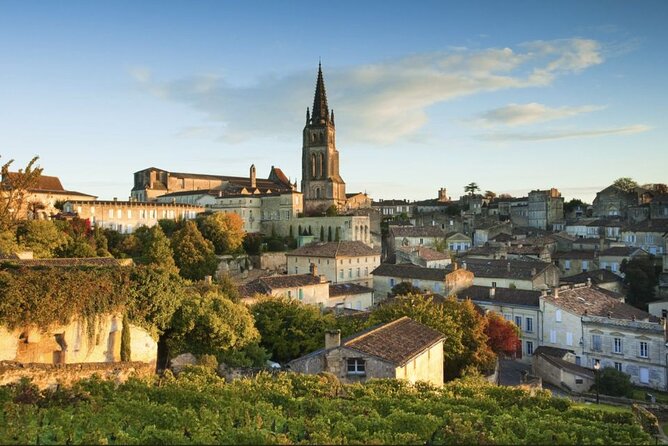
Saint-Émilion hits different when you walk its walls. On this private walking tour, you follow the city’s story from origins to today, with standout rampart views and explanations that make the stones feel lived-in. I love the way the walk links monuments to real daily life, especially around the monasteries and viewpoints. I also love that you’re not stuck with a rushed script, because a private guide can slow down for the scenes you care about most. One consideration: entrance tickets aren’t included, so if you want to go inside specific sites, plan on extra costs beyond the tour price.
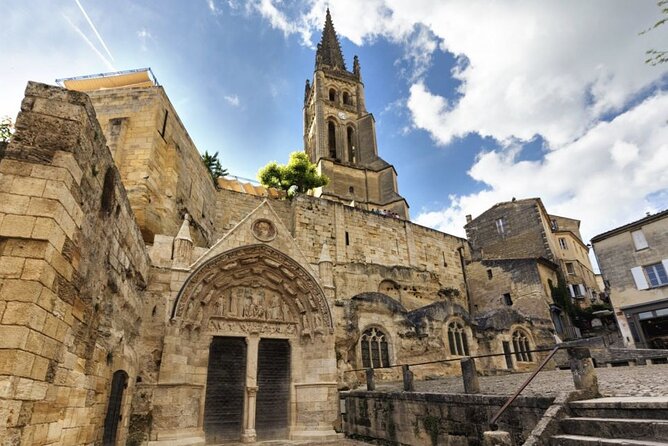
You’ll meet outside Maison du Vin de Saint-Emilion wine shop at 1 Pl. Pierre Meyrat, then spend about two hours moving through the medieval core. The route is designed to show the World Heritage site from multiple angles: ramparts, old monasteries, and key buildings like the monolithic church, the collegiate church, and the palace of the archbishops (all explained from the outside). Your guide can run the tour in Italian, Spanish, English, or French, and the private format means the pace and focus are yours.
In This Review
- Key points you’ll feel during the walk
- Why Saint-Émilion feels different on foot
- Where you start: Maison du Vin and an easy meeting point
- The ramparts: where the city’s shape becomes obvious
- Old monasteries and the monks’ everyday life
- The monolithic church and collegiate church: exterior explanations that make the forms click
- The palace of the archbishops and the city’s power centers
- Fortification remains: where history shows up as leftovers
- A private guide means you set the pace (and the priorities)
- Price and value: what $253 per person is buying you
- Practical tips so the walk stays enjoyable
- Who this tour suits best
- Should you book this Saint-Émilion private walking tour?
- FAQ
- How long is the Saint-Émilion private walking tour?
- Where do we meet the guide?
- Is this tour private or shared?
- What languages are available for the live guide?
- What is included in the price?
- Are entrance tickets included?
- Is transportation included?
- Can I cancel and get a full refund?
- Can I reserve without paying right away?
Key points you’ll feel during the walk
- World Heritage framing that connects why Saint-Émilion developed the way it did, not just what you’re looking at
- Ramparts and fortification remains that help you picture the city’s defensive layout
- Outside explanations of the monolithic church and the collegiate church so you understand what you’re seeing before you move on
- Monasteries that come alive through stories about the monks’ everyday life
- Private pacing with flexibility for famous stops or quieter angles you prefer
- A 2-hour format that’s long enough for meaningful views, short enough to pair with wine time later
More Saint-Emilion, chateau by chateau
- Saint-Émilion: Bordeaux Vineyard Tour and Wine Tasting★ 4.8 · 578 reviews
- Saint-Émilion Wine Tour By Premium Electric Bike, Lunch Included★ 5.0 · 274 reviews
- Saint-Émilion: Family Vineyard Visit with Wine Tasting★ 5.0 · 212 reviews
- Saint-Emilion Grand Cru Classified: Visit & Tasting in French★ 4.5 · 89 reviews
Why Saint-Émilion feels different on foot
Saint-Émilion is the kind of place where it’s easy to get lost in photos. A guided walk fixes that. On foot, you notice the angles: where the city opens out, how the walls shape movement, and why certain buildings dominate sightlines. This is a private tour, so you’re not forced to keep up with a larger group’s pace, and you’re not stuck with someone else’s priorities.
The tour’s promise is practical: you learn how Saint-Émilion grew over time, from origins to the present day, while walking the same types of routes people once used. I like that the tour isn’t only architectural talk. It’s also about imagining life—especially around the monasteries—so the town reads like a story instead of a checklist.
And yes, you get those magnificent views. You’ll see the city from vantage points tied to ramparts and the old fortification remains. The viewpoints are one of the main reasons this works as a walking tour rather than a quick drive-by.
Where you start: Maison du Vin and an easy meeting point
Your tour meets outside Maison du Vin de Saint-Emilion wine shop at 1 Pl. Pierre Meyrat. That’s helpful because it anchors you right in the center of town where you can also plan a drink or snack before or after.
From the start, the rhythm matters. A 2-hour private walk needs a calm, efficient beginning so you don’t waste time figuring things out. Meeting at a recognizable place also reduces stress when you’re lining up the rest of your day. If you’re pairing this with a winery visit later, you’ll likely appreciate starting right in the village core.
The ramparts: where the city’s shape becomes obvious
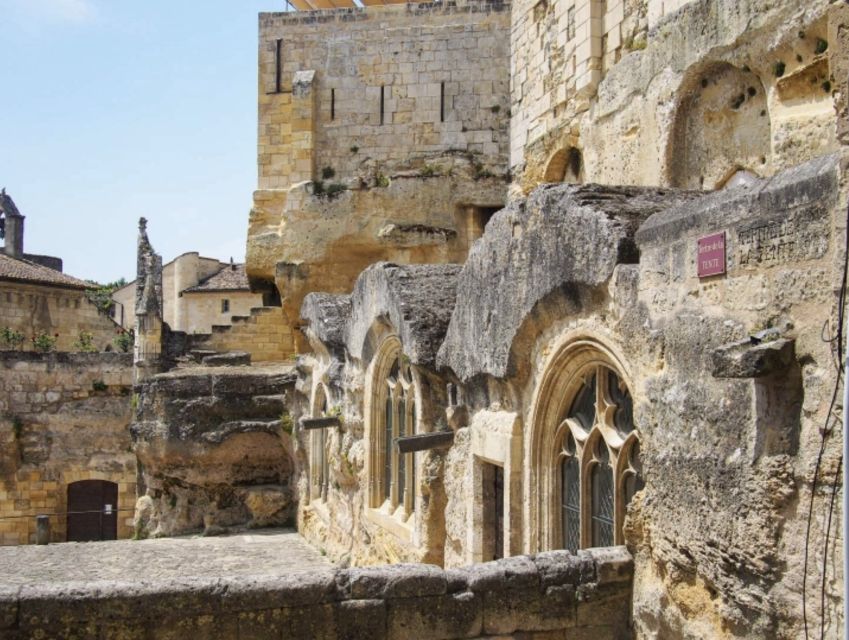
One of the best parts of Saint-Émilion is how the town’s layout explains itself when you’re walking along its edges. This tour takes you along the ramparts, and that’s where you really start to understand the town’s development.
Here’s what I think makes the ramparts so effective on this kind of tour: they let you see structure and intention at the same time. You can look down and out, then look back toward the medieval core and feel how the city was arranged to hold ground. The guide’s outside explanations also help you connect the fortification remains to the bigger picture of why the settlement evolved the way it did.
If you’re someone who likes to learn while walking—rather than stopping every ten minutes—this part fits well. You’re moving, you’re looking, and you’re getting context that sticks because it’s tied to what you can see right then.
Bordeaux at walking pace, more routes


Old monasteries and the monks’ everyday life
The tour includes imagining the life of the monks through the old monasteries. That detail is more than poetic. It changes how you read the spaces. Instead of seeing buildings as static stone, you start asking practical questions like: Who used this route? Where would daily routine happen? How did the city’s spiritual centers shape movement and community?
I like this approach because it balances big picture with human-scale imagination. Saint-Émilion can feel like a well-preserved medieval stage set if you only look at landmarks. The monastery stories pull you toward the daily rhythm behind the architecture—what the monks might have done, how the place functioned, and why it mattered to the city’s identity.
Even though the tour is focused on exterior viewing, the guide’s framing gives you a richer mental map as you walk. You’ll remember details better because you’re building a sense of routine, not just a list of sights.
The monolithic church and collegiate church: exterior explanations that make the forms click
One of the tour’s headline attractions is the monolithic church. You’ll get an outside explanation of it, plus the collegiate church. That matters because these kinds of religious monuments can be confusing if you don’t know what you’re looking for.
In this format, you don’t have to scramble for tickets or switch plans mid-walk. You can look, listen, and keep going. The goal is clarity: the guide talks through what makes these buildings special and how they relate to the city’s development.
This is also where the “magnificent views” theme really plays into the experience. Church architecture and church sightlines are often tied to how a town sits on its slopes or around its fortifications. Even without going inside, you can still sense scale and placement.
If you’re the type of traveler who likes to understand a monument’s role before you spend time at it, the outside explanations are a smart way to do that in a two-hour window.
The palace of the archbishops and the city’s power centers
The tour also includes an outside explanation of the palace of the archbishops. This is a key shift from church-focused themes to governance and power—how authority shaped the medieval city.
I find these stops especially valuable because they round out the picture. A town like Saint-Émilion isn’t only stones and spirituality. It also had institutions tied to leadership, influence, and organization. When your guide connects that power center to the layout you’ve been walking—ramparts, monasteries, fortification remains—you start seeing the city as a system.
You’ll likely get more from this part if you take a moment to look at how the buildings relate to the surrounding streets and viewpoints. Stand where the guide suggests, then let your eyes travel along the route you just walked. That’s when the connections become more than verbal explanations.
Fortification remains: where history shows up as leftovers
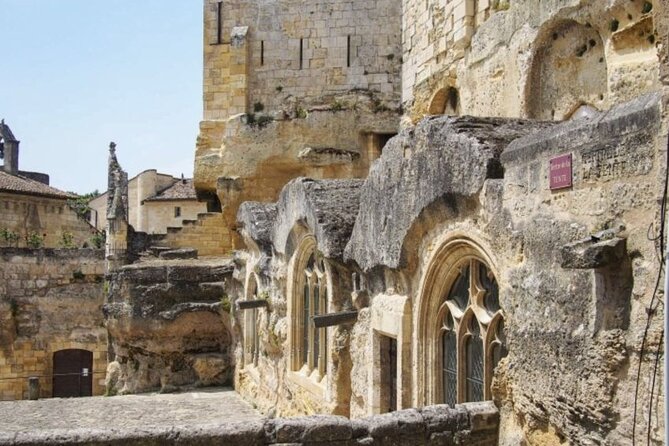
Not every stop is a grand façade. The tour includes remains of the fortifications, and that’s exactly why it’s memorable.
Remains can be harder to interpret on your own. A guide helps by pointing out what these leftover traces suggest about movement, defense, and older city boundaries. Even if parts are incomplete, they still tell you something: where pressure would have mattered most, where control would have been needed, and how the city’s edges shaped its growth.
This part of the walk also adds variety. It’s not only about big landmarks. It’s about reading layers, and noticing how a medieval settlement leaves evidence behind.
A private guide means you set the pace (and the priorities)
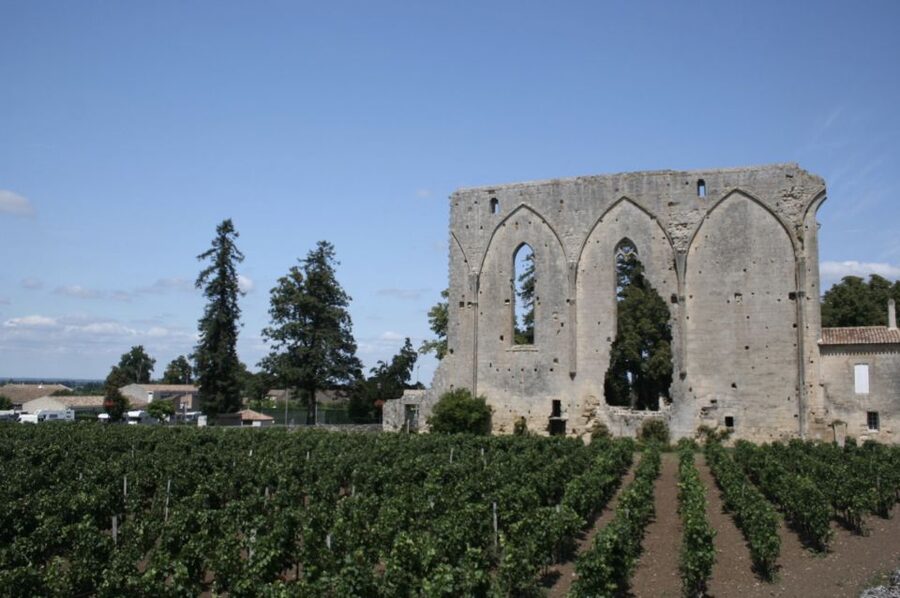
The tour’s biggest advantage is the private format. You don’t have to follow a fixed group schedule. The walk takes place at your own pace, and your private guide can adjust the itinerary based on what you want—famous sites in full, or something more off the beaten track if that’s your style.
I like private tours best when I’m traveling with specific interests. Maybe you care more about ramparts and defense. Maybe you want more time at viewpoints for photos and quiet. Maybe you’re curious about monastic life and want the guide to slow down at the monastery-related stops. With a private guide, you can ask for that shift and actually get it within a two-hour timeframe.
This tour also runs with guides in Italian, Spanish, English, or French. If you’re choosing between tours, language matters. It’s the difference between hearing facts and understanding explanations that connect facts.
Price and value: what $253 per person is buying you
The price is $253 per person for a 2-hour private walking tour. On paper, that can look steep if you’re comparing to group tours. But private walking tours cost more for a reason: you’re paying for a guide’s time plus the flexibility to shape the experience.
Here’s how I’d judge value for this specific tour:
- You’re getting guided interpretation of multiple key medieval sites in one walk: ramparts, monasteries, monolithic church, collegiate church, palace of the archbishops, and fortification remains.
- You’re not locked into a public-group pace, which is useful in a place where viewpoints and details matter.
- You’re saving time on figuring out how to connect all the stops yourself. In medieval towns, that connection is the whole point.
Also, note what’s not included: entrance tickets and transportation. That means your total day cost could rise if you plan to enter sites. If your priority is learning and seeing the city from key outdoor viewpoints, this tour is a clean fit because it focuses on exterior explanations.
Bottom line: if you want a guided, flexible walk that helps you understand what you’re seeing without spending extra time planning, the price can feel reasonable. If you mainly want to wander and don’t care about context, you might question the value.
Practical tips so the walk stays enjoyable
You’ll be outside for a 2-hour walk in Saint-Émilion’s medieval streets and along ramparts-related areas. Even without exact details on slopes or steps, expect some uneven ground and stairs. I’d wear comfortable walking shoes you trust.
A couple more practical ideas:
- Bring water, especially if the weather is warm, since you’ll be moving continuously.
- If you care about photos, plan to pause at viewpoints without feeling guilty about taking time. The private format works in your favor here.
- If you want a specific focus (monastic life, defensive walls, viewpoints, church architecture), tell your guide early so the two hours match your interests.
Who this tour suits best
This private walking tour is a strong match if you:
- Want to understand Saint-Émilion’s development rather than just collect photos
- Prefer a personal pace over a group schedule
- Care about medieval architecture and how the town was organized
- Like the idea of monolithic church and collegiate church context from outside explanations
- Plan to spend additional time afterward with wine tastings or more wandering in the center
It may feel less ideal if you’re determined to visit many interiors, because entrance tickets aren’t included. If indoor time is your main goal, you’ll likely want to pair this with other activities that do include entry.
Should you book this Saint-Émilion private walking tour?
I’d book it if you want the fastest path to “I actually get this place.” Two hours is short enough to fit well, but the route covers enough major themes that the town starts making sense. The private setup is the reason it works: you can linger at viewpoints, ask questions, and keep the walk aligned with what you personally care about.
Skip it or plan carefully if you expect all site access to be included, because entrance tickets aren’t part of the price. Also, if you only want casual wandering with no interpretation, a paid guide may feel unnecessary.
If you like guided thinking while you walk, and you want Saint-Émilion’s ramparts, monasteries, and church viewpoints explained clearly, this is a solid choice.
FAQ
How long is the Saint-Émilion private walking tour?
It lasts 2 hours.
Where do we meet the guide?
You meet outside Maison du Vin de Saint-Emilion wine shop, 1 Pl. Pierre Meyrat, 33330 Saint-Émilion, France.
Is this tour private or shared?
It’s a private group tour.
What languages are available for the live guide?
The guide is available in Italian, Spanish, English, and French.
What is included in the price?
A private tour guide.
Are entrance tickets included?
No. Any entrance tickets are not included.
Is transportation included?
No. Transportation is not included.
Can I cancel and get a full refund?
Yes. You can cancel up to 24 hours in advance for a full refund.
Can I reserve without paying right away?
Yes. There is a reserve now & pay later option, with pay nothing today.
—
If you tell me your travel month and whether you want more viewpoints or more monument explanation, I can suggest how to pace your day around this 2-hour walk.
Just Your Party, Around Bordeaux


Bordeaux on Foot

Saint-Emilion, Chateau by Chateau





Just Added: Fresh Bordeaux Reviews



Saint-Émilion Wine Tours, compared.
 ★ 4.8From Bordeaux: Afternoon Saint-Emilion Wine Tasting & snackFrom $1121,581 reviews
 ★ 5.0Medoc or Saint Emilion Wine Tasting and Chateau from BordeauxFrom $1141,415 reviews
 ★ 5.0Saint Emilion Day Trip with Sightseeing Tour & Wine Tastings from BordeauxFrom $2501,120 reviews
 ★ 4.5Saint Emilion Half-Day Trip with Wine Tasting & Winery Visit from BordeauxFrom $1331,034 reviews
 ★ 4.7From Bordeaux: St. Emilion Village Half-Day Wine TourFrom $129728 reviews
 ★ 4.9From Bordeaux: St-Emilion Day Tour with Tastings and LunchFrom $177714 reviews
 ★ 5.0Saint-Emilion Electric Bike Day Tour with Wine Tastings & LunchFrom $217696 reviews
 ★ 4.6From Bordeaux: Half-Day Saint-Émilion Tour and Wine TastingFrom $102657 reviews
Browse the lists this tour appears in