
Reviewed · BORDEAUX FOOD TOURS
Traditional Gourmet Food & Wine Tour in Bordeaux
One part food crawl, one part city orientation. This Bordeaux tour takes you through landmark squares and arcades, then rewards you with tastings you can actually plan a meal around. I love how it mixes small, specific bites with real neighborhood context, so you leave knowing what to order next time.
My favorite pieces are the cannelés at Place Pey-Berland and the final stop in a Chartrons wine cellar, where you slow down and pair what you’ve collected with Bordeaux wine. Along the way, the guide also slows the pacing for questions and preferences, so the shopping stops feel personal, not random.
One thing to consider: it’s a mostly-walk plan in the center city streets, so comfortable shoes matter. And it depends on good weather for the experience to run as scheduled.
In This Review
- Key highlights before you go
- The format: a tasting walk that builds into a wine-cellar meal
- Meeting at Place Pey-Berland: where the tour finds its rhythm
- Place Pey-Berland and cannelés: the signature bite to start with
- Saint-André Cathedral: not just architecture, also a pilgrimage landmark
- Hotel de Ville area: the city’s power center in plain sight
- Rue des Remparts: where you start tasting like a local shopper
- Porte Dijeaux: an arched gate with multiple possible origins
- Galerie des Grands Hommes: from old market energy to today’s dining and shops
- Place de la Comédie and Bordeaux chocolates: finishing the sweet arc
- A calm break: the “lungs of Bordeaux” garden
- Ending in Chartrons: wine cellar pairings with local cheese and charcuterie
- Price, time, and group size: how the value really plays out
- The guide touch: Alexandra’s style and why it shows in the tour
- Who should book this Bordeaux food and wine tour
- Should you book? My take
- FAQ
- How long is the Traditional Gourmet Food & Wine Tour in Bordeaux?
- What language is the tour offered in?
- How many people are in the group?
- Where do I meet for the tour?
- Where does the tour end?
- Is there a mobile ticket?
- What tastings and food are included?
- Does the tour include sightseeing stops like the cathedral and city hall?
- Does the tour require good weather?
- Are service animals allowed?
Key highlights before you go
- Cannelés stop with a clear local focus near Saint-André Cathedral at Place Pey-Berland
- Monument mix: cathedral, city hall area, and Porte Dijeaux along the route
- Eat-and-buy style: you taste bread/pastries, honey, charcuterie, and chocolates, then often purchase items for later
- Small group size (max 8), which makes the tasting rhythm feel relaxed
- End in a cozy Chartrons wine cellar with regional wine and local cheese/charcuterie
- English language tour with mobile ticket convenience
Still hungry? More Bordeaux food walks
- Bordeaux Food Tour – A Full French Meal by Do Eat Better★ 5.0 · 357 reviews
- Saint-Emilion Food and Wine Day Tour★ 5.0 · 323 reviews
- NO DIET CLUB – Unique food tour in Bordeaux !★ 5.0 · 201 reviews
- Bordeaux’ Best Boulangeries & History Tour★ 5.0 · 126 reviews
The format: a tasting walk that builds into a wine-cellar meal
This is a 3 hours 30 minutes walking tour that stays in central Bordeaux, then finishes in the Chartrons district. You’ll move at a human pace from one square or street to the next, with tastings timed so you’re never just “passing through” famous spots.
At $123.09 per person, it’s not a budget snack spree, but it’s also not overpriced if you like structured food time. You’re paying for: guided routing, multiple tastings across categories (bread, pastry, sweets, cheese/charcuterie, wine), and the convenience of not having to figure out where to go on your own.
The pace is also part of the value. Instead of one long sit-down meal, you get lots of bite-sized moments while learning what makes each item “Bordeaux” in the first place.
Meeting at Place Pey-Berland: where the tour finds its rhythm
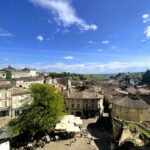
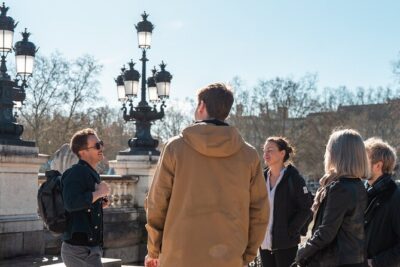
You meet at Pl. Pey Berland, 33000 Bordeaux, right in the heart of the city. This location works because it’s walkable to the cathedral area and the nearby squares, so you start with strong context instead of a transit shuffle.
From the beginning, the tour feels like it’s designed for people who want two things at once: good food and a mental map of the center. I like that you’re not only looking up at buildings. You’re learning how the food stops relate to the streets you’re standing on.
Place Pey-Berland and cannelés: the signature bite to start with
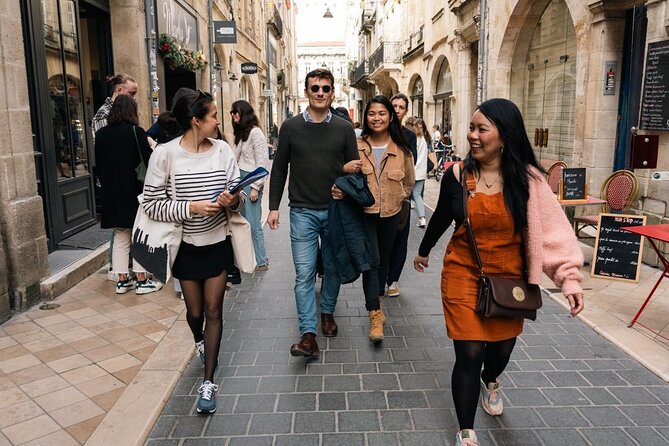
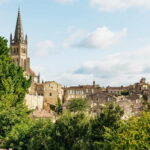
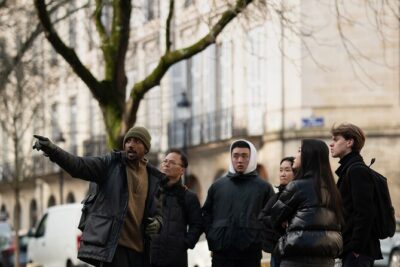
Stop 1 is Place Pey-Berland, a lively historic square named for the Pey Berland Tower. The tour uses this spot to frame what you’re seeing: the bell tower, the Saint-André Cathedral nearby, and even local wedding traditions tied to the cathedral complex.
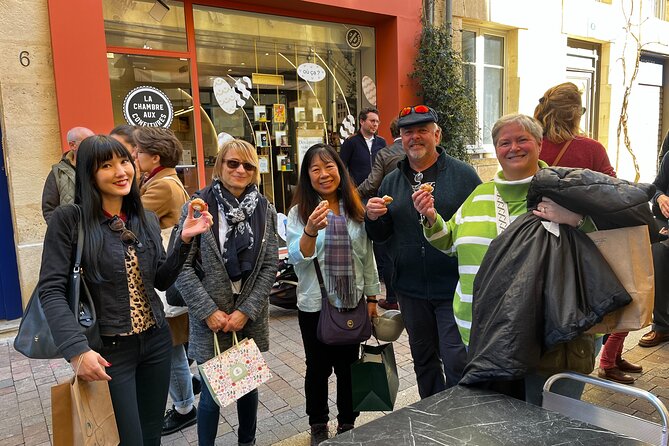
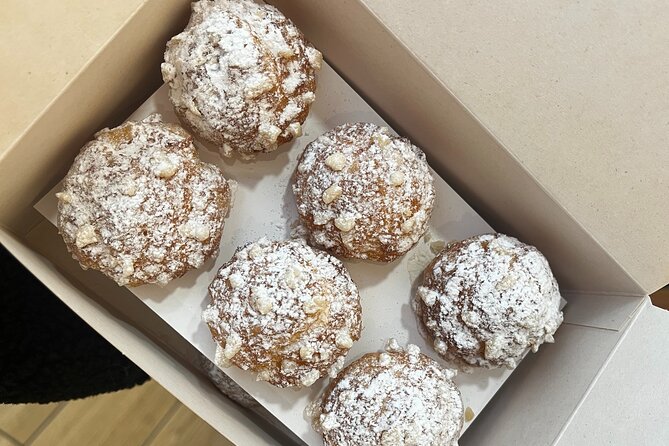
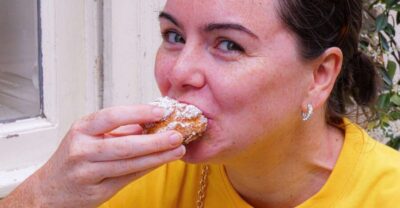
And yes, you’ll taste the local star here: cannelés. Cannelés are one of those Bordeaux foods that can feel mysterious until you eat one. Expect a small, crisp-edged cake with a custardy center—exactly the kind of bite that teaches you why locals take this seriously.
Practical tip: because you’re tasting early, you’ll want water nearby and you’ll want to keep an open palate. If you’re the type who likes to taste first and decide later, this start sets you up well.
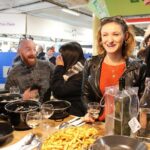
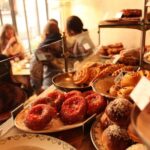
Other plates and pours worth the detour

Saint-André Cathedral: not just architecture, also a pilgrimage landmark
Stop 2 is Cathedrale Saint-Andre Bordeaux (with admission ticket free noted). The cathedral is positioned as a spiritual landmark and also as a stop linked to the Camino de Santiago pilgrimage route.
That matters because it changes how you read the building. You’re not only admiring stonework. You’re understanding how Bordeaux has fit into larger European travel rhythms for centuries.
The tour also points out that this cathedral complex is associated with important weddings, which adds another layer to the square’s everyday energy. It’s one of those details that makes a place feel lived-in, not staged for tourists.
Hotel de Ville area: the city’s power center in plain sight
Stop 3 is Hotel de Ville de Bordeaux, a building originally constructed between 1771 and 1784 as the Archbishop’s Palace. Today, it’s the city’s administrative hub and a setting for official gatherings.
This stop is short, but it’s useful. Bordeaux can feel like it’s all about wine and facades, so seeing the civic center helps you understand how the city functions now—where ceremonies happen, where decisions get made, and how old power structures evolved.
Rue des Remparts: where you start tasting like a local shopper
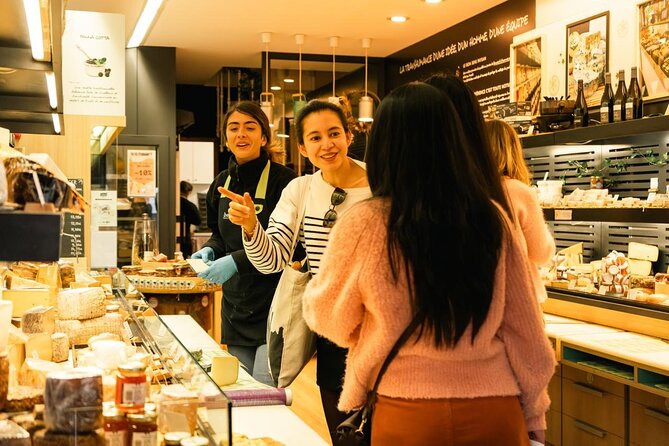
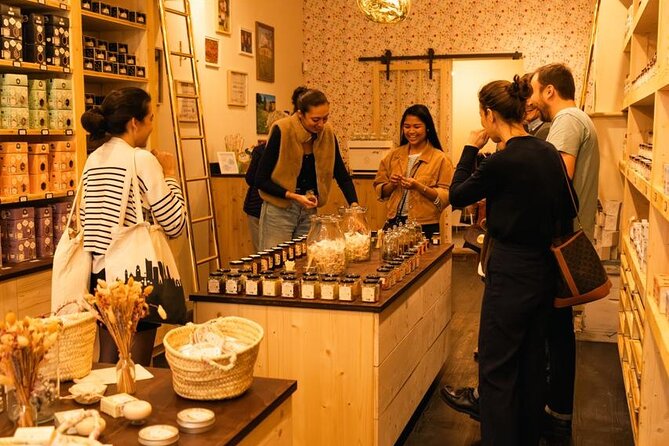
Stop 4 is Rue des Remparts, described as a charming street once tied to medieval ramparts and now lined with buildings and small artisanal shops. This is one of the most practical stops, because it’s where the tour leans into what you can buy for later.
Here you’ll sample:
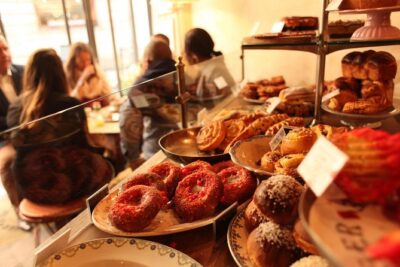
- bread and pastries
- a honey tasting
- and you’ll also buy charcuterie
Why I like this section: it turns a tasting tour into a “take-home” plan. If you’re traveling with people who want to eat well but don’t want to chase five different shops, this style helps. You get to test your preferences right away and then pick what you’ll actually want back at your lodging.
Small caution: Rue des Remparts is pleasant, but it’s still a street walk with stops in shops. If you’re sensitive to crowds, aim for a calm time of day and keep your pace steady.
Porte Dijeaux: an arched gate with multiple possible origins
Stop 5 is Porte Dijeaux, the arched gate seen as an ancient entry point into Bordeaux, with possible Roman-era connections. The tour shares two suggested stories: one tying it to a temple honoring Jupiter, and another framing it as a barrier between the historic city and a Jewish district.
This is a good example of how the tour uses monuments without pretending every detail is perfectly proven. It gives you a sense of layers—how one spot can hold more than one interpretation.
And you’ll still get the practical payoff: this is a quick photo stop, and then you move on before the walk becomes repetitive.
Galerie des Grands Hommes: from old market energy to today’s dining and shops
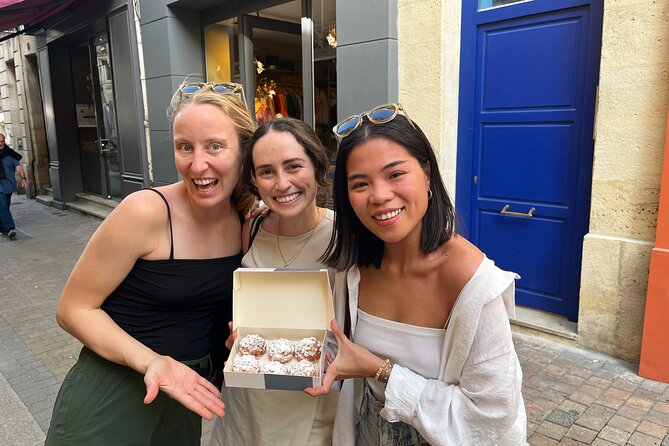
Stop 6 is La Galerie des Grands Hommes, located in Bordeaux’s golden triangle. The tour frames this area as refined now, but historically connected to the city’s older market life—an 18th-century hub that later transformed as Bordeaux evolved.
This stop is more “feel it” than “look for one landmark.” As you walk, you’ll notice the shift from monumental views to shopping and dining energy. That helps you connect why this area still attracts people who want good food.
It also sets up the next move: the tour is clearly building toward sweets, then wine.
Place de la Comédie and Bordeaux chocolates: finishing the sweet arc
Stop 7 is Place de la Comédie, called the grandest square in Bordeaux with major views in every direction. From here, you see the Grand Théâtre and the Grand Hôtel de Bordeaux facing each other, both also tied to two Michelin-star restaurants.
Near the opera area, the tour tries different varieties of chocolates from one of the oldest chocolate institutions in Bordeaux. If you’ve ever had trouble choosing between “dark,” “milk,” and “fillings,” this is the kind of guided tasting that actually helps you decide.
This is a good point in the route to slow down mentally. By now you’ve tasted savory and sweet. You’re starting to learn your own patterns: what you like, what you want more of, and what you can skip later.
A calm break: the “lungs of Bordeaux” garden
The tour information also includes a stop at a public garden described as the city’s 11-hectare lungs, a calm break from the center’s activity and a good picnic destination.
Even if you don’t picnic, I like this kind of interruption. After multiple shop stops and tastings, you need a visual reset. It makes the final meal feel earned, not rushed.
Ending in Chartrons: wine cellar pairings with local cheese and charcuterie
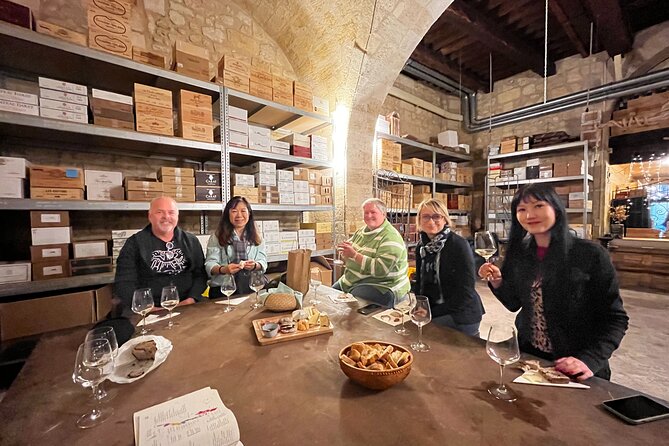
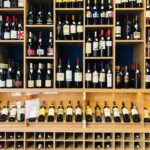
The tour ends at 3 Rue Notre Dame, 33000 Bordeaux, in the Chartrons district. You finish in a cozy wine cellar at the beginning of Rue Notre Dame.
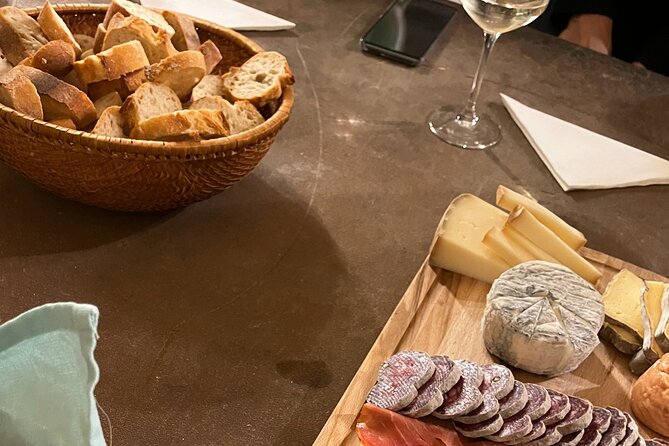
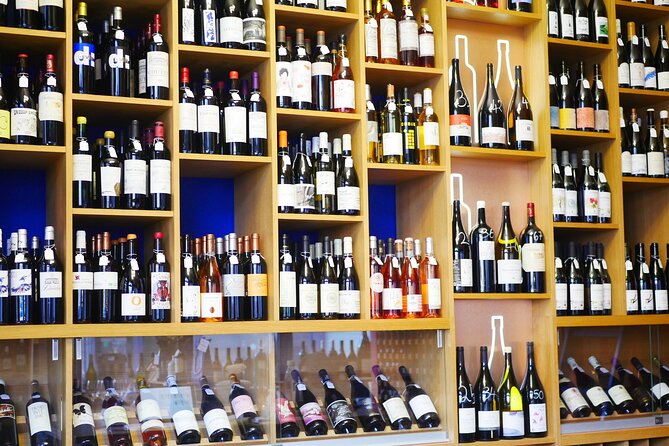
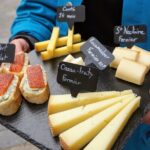
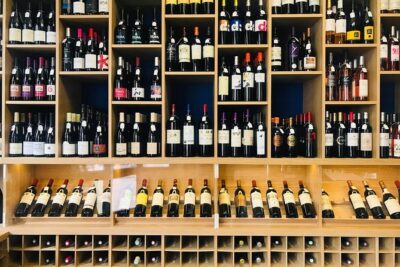
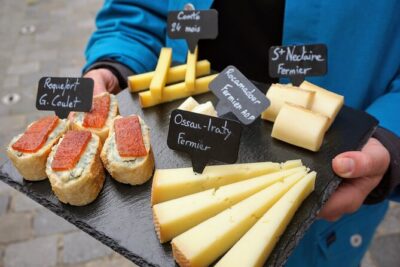
This is where the tour’s logic clicks. You’ve collected items as you walked—bread, pastries, honey items, charcuterie pieces, and chocolates. Then you sit and pair with regional wines, along with local cheese and charcuterie.
The wine cellar setting matters because it changes pacing. You’re no longer on a timeline of quick stops. You’re tasting in a place designed for it. One review described the setting as like a historic wine cave, which matches the “slow down and drink” vibe.
Practical tip: go easy on your hardest flavors in the afternoon phase. You’ll likely taste wine and food at the end, so keep some appetite for the pairing portion.
Price, time, and group size: how the value really plays out
A small-group tour with a maximum of 8 travelers keeps things flexible. You’re not getting lost in a pack, and you’re more likely to get asked what you like and then have the guide steer you toward food choices that fit.
This group size also helps with shop stops. Tight lines are easier to manage when the group is small.
At $123.09, you’re paying for:
- multiple tastings across categories (bread/pastry, honey, charcuterie, chocolates, cheese)
- regional wines in a cellar setting
- guided routing and explanation tied to major monuments
If you’re trying to build a “food plan” for a short Bordeaux stay, this can save time. Instead of spending hours researching which bakery has the best bread, which chocolate shop is worth it, and where to drink, you’re getting that decision-making done for you—one bite at a time.
The guide touch: Alexandra’s style and why it shows in the tour
The standout consistent theme in the experiences you provided is the guide’s personality and care. Alexandra comes through as personable and genuinely invested in showing Bordeaux through food and place.
What you’ll likely feel during the tour:
- the guide answers questions in a way that ties food to neighborhood meaning
- you get input gathered about preferences (so you’re not stuck with items you don’t like)
- the route includes the kind of shops you’d miss if you were just wandering
One small but telling detail from the experiences: the guide may adjust the route timing if it suits your group. Another experience noted that gluten-free options were taken seriously. That doesn’t mean everything is guaranteed for every dietary need, but it does suggest the guide will try to make it work.
Who should book this Bordeaux food and wine tour
This fits best if you want:
- a structured way to taste Bordeaux specialties without overthinking
- a walking route that also teaches you where major sights sit in the city
- a small-group pace where the guide can tailor stops
It’s also a strong choice for first-timers. If you’re only in Bordeaux for a day or two, you’ll leave with a mental map and a list of food items you can order again later with confidence.
If you hate walking, this may not be your best format. The experience depends on a series of central stops and short transitions, even though it’s not described as strenuous.
Should you book? My take
Book it if you want a food-and-history walk that ends with real wine-and-cheese time—and you like the idea of tasting, then buying what you actually want. I also think it’s a good pick if you’re the type who likes learning why certain foods matter in a specific place.
Skip it or look for another option if you want a long seated meal only, or if walking in the center is a challenge for you. This tour’s value comes from movement, timing, and the “bite sequence,” not a single destination restaurant.
If you book, do two things that make the experience better: wear comfortable shoes, and tell the guide what you enjoy (and what you don’t). That’s where the tour seems to work hardest.
FAQ
How long is the Traditional Gourmet Food & Wine Tour in Bordeaux?
The tour is approximately 3 hours 30 minutes.
What language is the tour offered in?
The tour is offered in English.
How many people are in the group?
This experience has a maximum group size of 8.
Where do I meet for the tour?
You start at Pl. Pey Berland, 33000 Bordeaux, France.
Where does the tour end?
The tour ends at 3 Rue Notre Dame, 33000 Bordeaux, France, with the final stop in a cozy wine cellar at the beginning of Rue Notre Dame in the Chartrons district.
Is there a mobile ticket?
Yes, the tour includes a mobile ticket.
What tastings and food are included?
Included tastings and food include freshly baked breads, regional wines in a local wine cellar, the best cannelés in Bordeaux, gourmet chocolates tastings, honey tastings, and local cheese and charcuterie, plus famous local pastry.
Does the tour include sightseeing stops like the cathedral and city hall?
Yes. The route includes Place Pey-Berland, the Cathedrale Saint-André area, Hotel de Ville de Bordeaux, and other landmark stops like Rue des Remparts and Porte Dijeaux.
Does the tour require good weather?
Yes. The experience requires good weather. If it’s canceled due to poor weather, you’ll be offered a different date or a full refund.
Are service animals allowed?
Yes, service animals are allowed.
More Tours in Bordeaux


More Tour Reviews in Bordeaux
Eat Bordeaux: More Food Walks

Just Added: Fresh Bordeaux Reviews
Bordeaux Food Tours, compared.
 ★ 5.0Bordeaux Food Tour – A Full French Meal by Do Eat BetterFrom $102357 reviews
 ★ 5.0Saint-Emilion Food and Wine Day TourFrom $192323 reviews
 ★ 5.0NO DIET CLUB – Unique food tour in Bordeaux !From $69201 reviews
 ★ 5.0Bordeaux’ Best Boulangeries & History TourFrom $72126 reviews
 ★ 4.5Bordeaux Historic and Gourmet Food Walking TourFrom $10382 reviews
 ★ 5.0Devour Bordeaux: Ultimate Food & Wine Tasting TourFrom $11479 reviews
 ★ 4.9No Diet Club : Bordeaux Food Tour in Les Chartrons !From $7577 reviews
 ★ 5.0Bordeaux Food and Wine Tour : Authentic Artisanal FlavorsFrom $10762 reviews
Browse the lists this tour appears in