Reviewed · BORDEAUX WINE & CHEESE TASTINGS
Professional – Bordeaux Wine and Cheese Tasting with a walking tour
Wine and cheese meet UNESCO streets here.
This Chartrons-focused walk connects Bordeaux’s Port de la Lune past to what you’ll sip later, and I really like how the tour ends with a guided blind tasting paired with cheese and bread. You’ll also get a clear, practical rundown of wine styles and what to look for when buying Bordeaux bottles—so the tasting isn’t just fun, it’s useful.
A small heads-up: a number of the big sights (bridges and the Cité du Vin) are viewed from a distance, not visited up close. Still, that works fine if you want an efficient overview without turning your afternoon into a marathon.
In This Review
- Key Highlights You’ll Actually Care About
- Starting in Chartrons: Where Bordeaux’s Wine Trade Really Shows
- Riverside Stops That Teach You How Bordeaux Thinks About Wine
- Stopping for Church History: Why Eglise St Louis Matters
- Cité du Vin From Afar: Good for Context, Not a Museum Visit
- Twin Houses and Foreign Merchants: Bordeaux Was Never Only French
- The Main Event: Blind Wine Tasting with Cheese (and Bread)
- What the Whole 2 Hours Feels Like (In Real Life)
- Price and Value: Is $78.64 a Good Deal?
- Who This Tour Suits Best (And Who It Might Not)
- A Quick Game Plan for Your Afternoon
- Should You Book This Bordeaux Wine and Cheese Tour?
- FAQ
- FAQ
- How long is the Bordeaux wine and cheese walking tour?
- Where do I meet and where does the tour end?
- How much does the tour cost?
- What language is the tour offered in?
- Is the tasting included, and what do I taste?
- Do you visit the big landmarks close up?
- What’s the group size?
- Is the tour outdoors?
- Can I bring a service animal?
- What happens if the weather is bad or the minimum number of travelers isn’t met?
Key Highlights You’ll Actually Care About
- Chartrons as a living wine map: see the old merchant streets tied to the Port de la Lune story
- 4 Bordeaux organic wines to taste: 1 white, 2 reds, and 1 sweet, paired with cheese
- Blind tasting format: sniff, sip, and learn what clues matter
- City + wine in one loop: riverside views plus wine-industry landmarks
- Small group size: capped at 15 travelers, so questions land well
- English guide support: the whole experience is offered in English
Another board of cheese, a glass to match
- Saint-Emilion Afternoon Wine Tour – 2 Wineries & delicacies★ 5.0 · 614 reviews
- Professional – Bordeaux Wine and Cheese Tasting with a walking tour★ 5.0 · 218 reviews
- Tasting of 6 Bordeaux wines and pairing charcuterie & cheese★ 5.0 · 199 reviews
- Bordeaux: Wine Masterclass with Cheese and Charcuterie Board★ 4.9 · 184 reviews
Starting in Chartrons: Where Bordeaux’s Wine Trade Really Shows
I love that this tour starts in Chartrons, the old wine merchant area. It’s one of those neighborhoods where you can feel the city’s trading history in the street layout and the riverfront setting, not just in museum posters. Your meeting point is 64 Quai des Chartrons, right in the heart of this historic zone.
Chartrons is tied to the Port de la Lune nickname for Bordeaux, a moniker that dates back to the 17th century and is part of why the area carries UNESCO heritage status. Even if you’re new to Bordeaux, this opening helps you understand why wine is such a core part of how the city developed. It sets up the tasting that comes later, instead of treating wine as a separate activity.
You’ll be walking at an easy pace, and travel time is built into the 2-hour plan (about 2 hours total, give or take). The tour is designed for English speakers and runs with a small group size—15 people max—which matters because wine questions don’t work well when the guide is talking to 40 strangers.
Riverside Stops That Teach You How Bordeaux Thinks About Wine
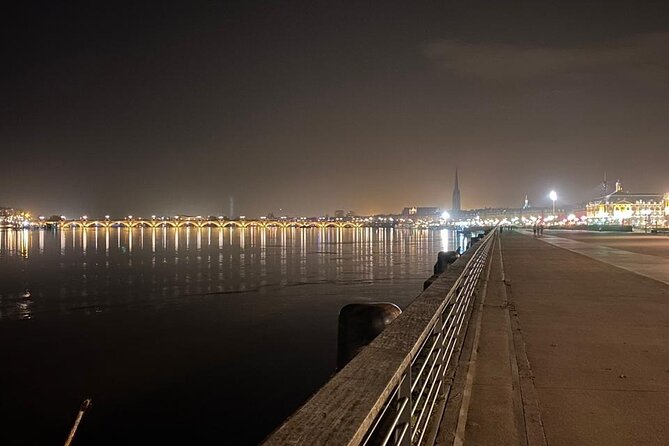
After Chartrons, you’ll head toward views along the Garonne. One of the stops focuses on the riverfront—because Bordeaux’s wine trade has always depended on moving barrels and bottles by water. You get a chance to look out over the river and connect the city’s geography to how wine became a global product.
Then you’ll pause for a look at Pont de Pierre (the stone bridge). The key point here isn’t the architecture quiz—it’s the connection the guide draws between wine, power, and the way “wine culture” and politics grew up together. You also get a practical expectation: the bridge is seen from the river side, and it’s noted that you won’t be visiting the monument up close.
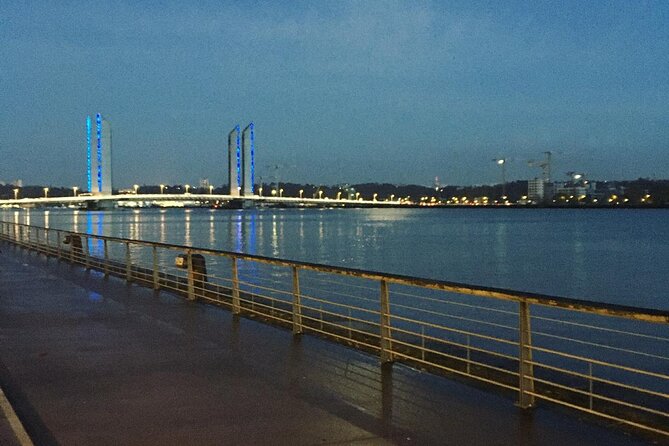
Next comes Pont Jacques Chaban Delmas, viewed from another angle, again from a distance. This stop is about technology and progress—there’s a direct link made between how engineers build modern bridges and how newer techniques influence wine production. It’s a clever way to get you thinking about Bordeaux as a place where tradition and innovation overlap, not one or the other.
For me, these riverside pauses are the right kind of sightseeing: quick, scenic, and directly connected to wine. If you’re the type who likes to understand why something exists (instead of only photographing it), you’ll appreciate this pacing.
Stopping for Church History: Why Eglise St Louis Matters
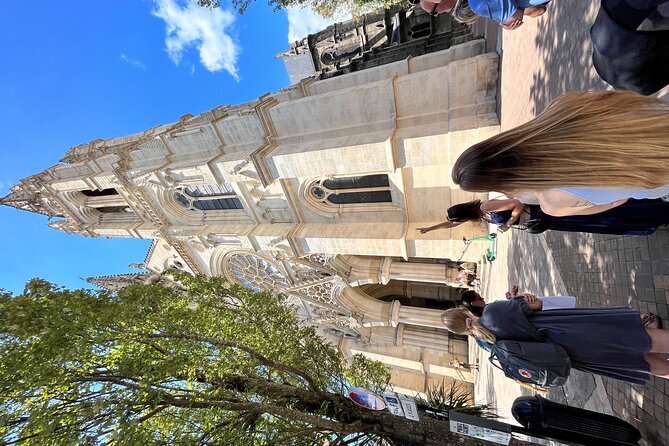
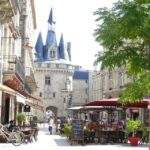
One of the stops is Eglise St Louis des Chartrons. This is one of those spots where the tour shifts from wine-world logistics to the broader story of Chartrons as a real city neighborhood. You’ll see the church and learn its history, which helps balance the afternoon so it doesn’t feel like only port and bottles.
If you’re used to wine tours that are only vineyards or tasting rooms, the inclusion of a church stop is a good reminder that Bordeaux’s wine story lived inside a wider culture. Places like this show you the human side of the city—how people worshipped, built community, and organized life around commerce and trade.
Bordeaux at walking pace, more routes
Cité du Vin From Afar: Good for Context, Not a Museum Visit
The tour gives you an exterior view of Cité du Vin, the big wine exposition museum. The emphasis here is on context: you’ll see it up the river to the north and learn about wine regions and grape varieties through what the guide explains.
But here’s the practical part: it’s clearly indicated that you won’t visit the museum close up. So if you were hoping to go inside Cité du Vin as part of this package, this experience won’t be that. What it does do is prep you. After the tasting, you’ll likely know what questions to ask if you want to come back later and do a museum visit on your own time.
Twin Houses and Foreign Merchants: Bordeaux Was Never Only French
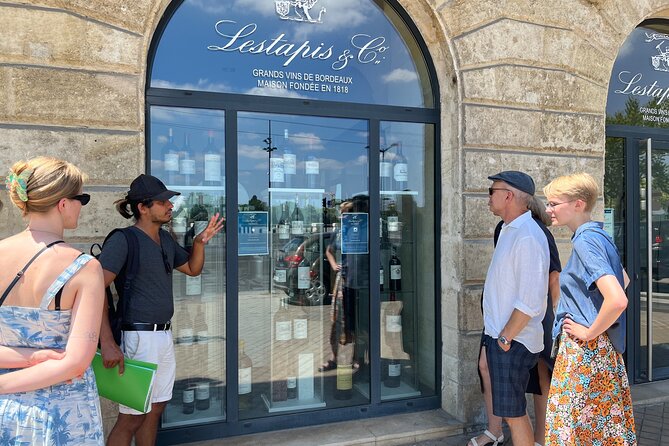
A standout walking segment points out the Maisons Jumelles (twin houses) and connects them to foreign wine merchants. One of the more interesting threads you’ll hear during the tour is the role outsiders played in Bordeaux’s wine trade. In the same spirit, multiple guide experiences highlighted in the tour feedback mention attention to British influence over time, which fits the way Bordeaux became internationally connected.
This part of the tour is valuable because it changes how you think about “Bordeaux wine.” It’s not just local pride. It’s trade relationships, shipping routes, and people bringing ideas from elsewhere—then adapting them to Bordeaux grapes and styles.
The Main Event: Blind Wine Tasting with Cheese (and Bread)
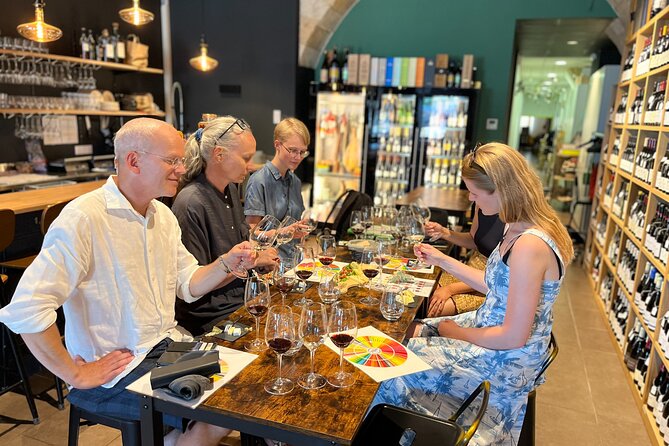
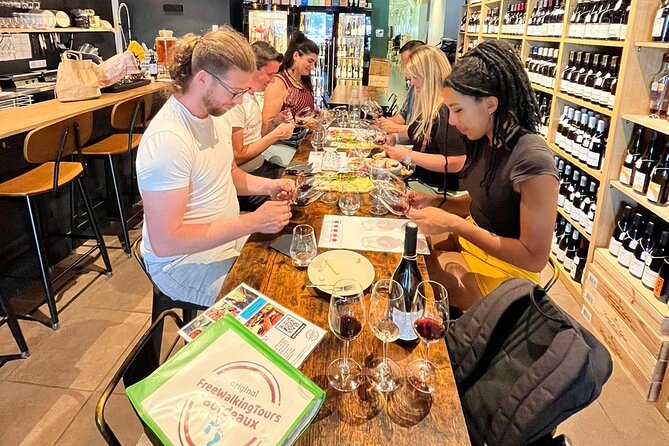
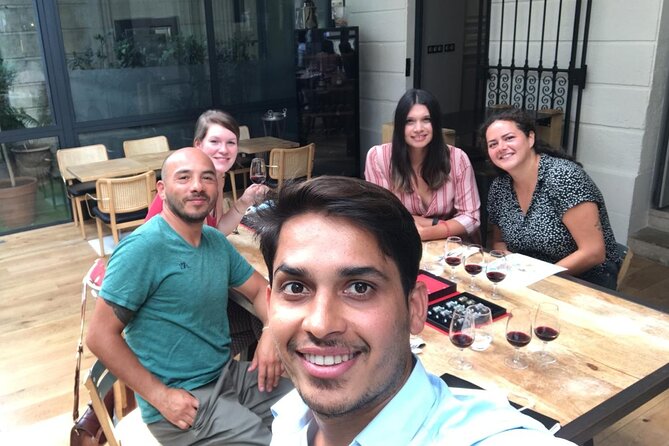
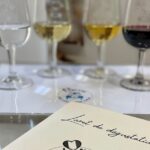
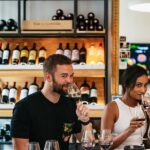
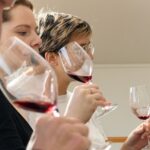
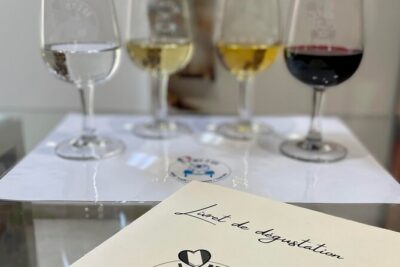
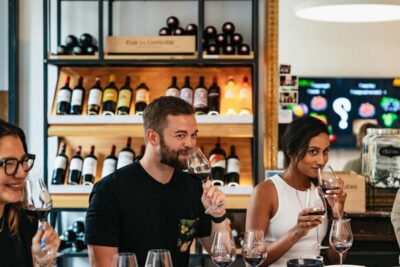
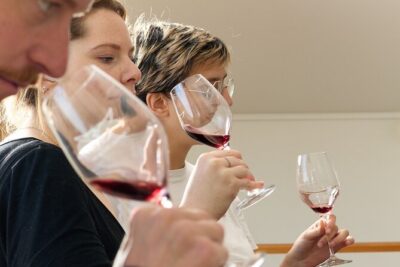
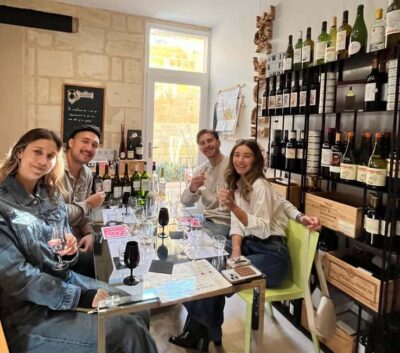
Now for the part most people remember: the wine and cheese tasting in a local wine bar during the final half hour. You’ll do a blind tasting, which means you focus on what you detect—color, aroma, taste—rather than reading a label and guessing based on reputation. It’s a simple format, but it’s one of the best ways to train your palate without needing a wine degree.
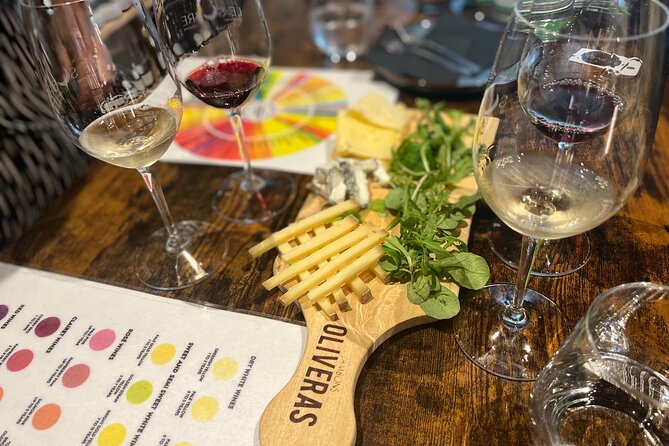
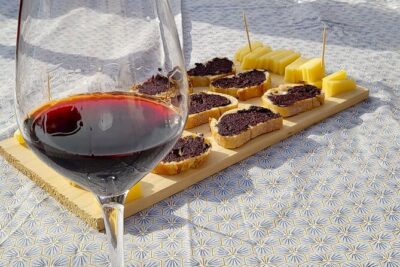
Here’s what you can expect to taste: 4 Bordeaux organic wines paired with an assorted French cheese platter. The lineup is 1 white, 2 reds, and 1 sweet. The pairing comes with cheese, and the tasting is also paired with baguette (this gets mentioned as part of the food setup).
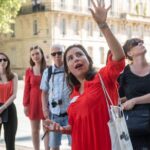
The blind format is also where the guide’s teaching style shows. In tour feedback, guides like Adrian, Pascale, Clemence, Ani, and others are repeatedly praised for explaining the steps of wine tasting and helping people connect wine to food. So even if you’re a total beginner, you’re not left guessing. You’ll get prompts like what to notice in aroma and how different wines work with cheese.
And the food portion matters here. The tasting isn’t described as a tiny “sip and a crumb” situation. The cheese platter and baguette pairing make it feel like an actual break in your afternoon, not a quick add-on.
If you’re wondering whether blind tasting is fun for everyone: yes, because it turns wine into a game. You get to be curious instead of worried about getting something wrong.
What the Whole 2 Hours Feels Like (In Real Life)
This isn’t a “see 20 things in 20 minutes” tour. It’s paced for an enjoyable walk through the Chartrons area, with stops that add meaning rather than just checking boxes. Most people who want a relaxed introduction to Bordeaux tend to like this format because you leave with both street-level memories and tasting-based knowledge.
You’ll start around 1:30 pm, meet at 64 Quai des Chartrons, and finish at Rue Notre Dame after the tasting. The route ends in a cute little street, which is helpful because it gives you a natural place to wander afterward for a late snack or a glass of something unplanned.
Also, because the group size is small, it doesn’t feel like you’re shouting questions over wind and crowd noise. That’s a big deal during tasting time, where the guide is explaining matching wine with food.
One note: the experience requires good weather. If rain is coming, you should expect the tour to either operate differently or be canceled for weather reasons. In the feedback, even rainy conditions are mentioned as handled pleasantly, but the key point is: it’s not designed for storm-level walking.
Price and Value: Is $78.64 a Good Deal?
At $78.64 per person, you’re paying for two things at once: guided city context and a real tasting. For Bordeaux, that price point makes sense because the tasting includes multiple pours (four wines, including a sweet wine) plus cheese and baguette, not just a token sample.
The value improves if you want help understanding what you like and how to buy it later. The guide is there to explain styles, grape differences, and pairing logic, and that makes the money feel more like education than entertainment-only.
If your ideal afternoon is purely sightseeing with long monument visits, you might feel constrained because several major sights are seen from a distance, and there’s no close-up museum stop included. If your ideal afternoon is “Bordeaux overview plus wine training,” you’ll probably feel like the price is fair.
Who This Tour Suits Best (And Who It Might Not)
This works especially well for:
- First-time Bordeaux visitors who want a clear intro to Chartrons and the wine trade
- People who enjoy hands-on learning, especially a blind tasting
- Travelers who want to leave knowing what to order in a wine bar without panicking
It might not be the best fit if:
- You’re expecting to enter Cité du Vin or get up close with every major landmark
- You want a long, vineyard-focused day outside the city
- You dislike walking and prefer a more minimal street route
A Quick Game Plan for Your Afternoon
If you’re the practical type, do this:
- Wear comfortable shoes for riverside stone and old streets.
- Bring curiosity, not confidence. Blind tasting rewards curiosity.
- Plan to stay hungry enough for the cheese-and-baguette pairing, because it’s part of the experience.
- If you’re thinking of buying wine afterward, pay attention during the tasting to what your guide says about reading bottles and matching wine with food—this tour is built for that moment when you’re staring at shelves later.
Should You Book This Bordeaux Wine and Cheese Tour?
I’d book it if you want an efficient Bordeaux intro that links city history to what’s in your glass. The walking portion helps you understand why wine matters in Bordeaux, and the tasting portion gives you structure: four organic wines, cheese pairings, and blind tasting guidance that makes you a better taster fast.
Skip it (or keep expectations modest) if your top priority is close-up monument time or a museum visit inside Cité du Vin. This experience is about perspective—seeing the main players from the street—then getting the real payoff in the wine bar.
If you’re traveling in peak season or you want a specific day, it’s smart to book ahead. The tour is shown as commonly booked well in advance, which usually means it sells out or tightens schedules.
FAQ
FAQ
How long is the Bordeaux wine and cheese walking tour?
It’s about 2 hours (approximately), and travel time is included in that duration.
Where do I meet and where does the tour end?
You start at 64 Quai des Chartrons, 33300 Bordeaux, and end at Rue Notre Dame, Bordeaux.
How much does the tour cost?
The price is $78.64 per person.
What language is the tour offered in?
The tour is offered in English.
Is the tasting included, and what do I taste?
Yes. You get a wine and cheese tasting with a blind tasting format. The sample includes 4 organic Bordeaux wines: 1 white, 2 reds, and 1 sweet, paired with an assorted French cheese platter.
Do you visit the big landmarks close up?
Not always. The route notes that some monuments, including the Pont de Pierre, Pont Jacques Chaban Delmas, and Cité du Vin, are not visited from close.
What’s the group size?
The tour has a maximum of 15 travelers.
Is the tour outdoors?
It involves walking through the city, and it requires good weather.
Can I bring a service animal?
Yes, service animals are allowed.
What happens if the weather is bad or the minimum number of travelers isn’t met?
If it’s canceled due to poor weather, you’ll be offered a different date or a full refund. If canceled because the minimum number of travelers isn’t met, you’ll also be offered a different experience/date or a full refund.
More Tour Reviews in Bordeaux

Bordeaux on Foot
A Board and a Glass to Match
Just Added: Fresh Bordeaux Reviews
Bordeaux Wine & Cheese Tastings, compared.
 ★ 5.0Saint-Emilion Afternoon Wine Tour – 2 Wineries & delicaciesFrom $119614 reviews
 ★ 5.0Tasting of 6 Bordeaux wines and pairing charcuterie & cheeseFrom $54199 reviews
 ★ 4.9Wine Masterclass with Cheese and Charcuterie BoardFrom $53184 reviews
 ★ 5.0Introduction to Bordeaux wines paired with cheeses & charcuterieFrom $35175 reviews
 ★ 5.0Bordeaux Wines Masterclass paired with cheeses & charcuterieFrom $54110 reviews
 ★ 4.5Medoc Afternoon Wine Tour – 2 Wineries, tastings & delicaciesFrom $11974 reviews
 ★ 5.0Workshop Bordeaux wine tasting: 4 reds & charcuterie pairingFrom $4672 reviews
 ★ 5.0Bordeaux Afternoon Food Tour : Sweets, Wine and CheeseFrom $6338 reviews
Browse the lists this tour appears in