
Reviewed · BORDEAUX WALKING TOURS
Bordeaux: Small group – Guided Walking Tour
Bordeaux opens fast on this guided walk. In just 2 hours, this small-group experience with local guide Guadalupe takes you from the Cathédrale Saint-André area into medieval streets, then out to the port-side drama of Place de la Bourse and the Miroir d’Eau.
I love the way Guadalupe connects what you see on the ground to Bordeaux’s changing story over time, from church power to city commerce. I also love the practical food angle, including where to find the city’s classic cannelé and other typical patisseries.
The only real drawback is the time limit: two hours gives you the highlights, not every museum or deep dive into every neighborhood. Bring comfortable shoes, because you’ll be on foot the whole way.
In This Review
- Key things I think you’ll notice quickly
- Meeting Guadalupe at Cathédrale Saint-André (Place Pey Berland)
- Cathedral Square, the Hotel de Ville, and Pey-Berland’s bell tower
- Strolling past Saint-Projet and Camille Julian: where the city keeps changing
- Rue des Bahutiers and Porte Cailhau: medieval Bordeaux in the real world
- Saint-Pierre quarter and Église Saint-Pierre: contrast and everyday life
- Place de la Bourse and Miroir d’Eau: port power and the perfect photo pause
- Golden Triangle, Cours du Chapeau-Rouge, and finishing at Grand Théâtre
- The food part you can actually use: patisseries and the cannellé plan
- Price and pacing: why $22 for two hours can make sense
- Who should book this tour, and who should skip it?
- Should you book this Bordeaux walking tour with Guadalupe?
- FAQ
- Where does the tour start?
- How long is the walking tour?
- How big is the group?
- What languages are offered?
- Is the tour wheelchair accessible?
- Does the tour include local pastries like cannellé?
- What should I bring?
- What is the cancellation policy?
Key things I think you’ll notice quickly
- Small group (max 15) means more questions, more back-and-forth, and a guide who can keep the pace human.
- Guadalupe’s street-to-history storytelling ties monuments to how Bordeaux’s role changed over the years.
- Cathedral square + Pey-Berland bell tower focus gives you big visual payoffs without long detours.
- Medieval lanes and craft areas bring texture to the city, not just postcard buildings.
- Place de la Bourse and Miroir d’Eau deliver a strong photo moment and a clear explanation of Bordeaux’s port legacy.
- Restaurant and wine-bar recommendations help you turn the walk into a plan for the rest of your trip.
Bordeaux at walking pace, more routes
- Private – Best of Bordeaux Walking Tour + Glass of Bordeaux Wine★ 5.0 · 240 reviews
- Professional – Bordeaux Wine and Cheese Tasting with a walking tour★ 5.0 · 218 reviews
- 2-Hour Walking Tour of the City’s Iconic Sights and History★ 4.0 · 207 reviews
- Bordeaux: Mystery and Myths Walking Tour★ 4.8 · 187 reviews
Meeting Guadalupe at Cathédrale Saint-André (Place Pey Berland)
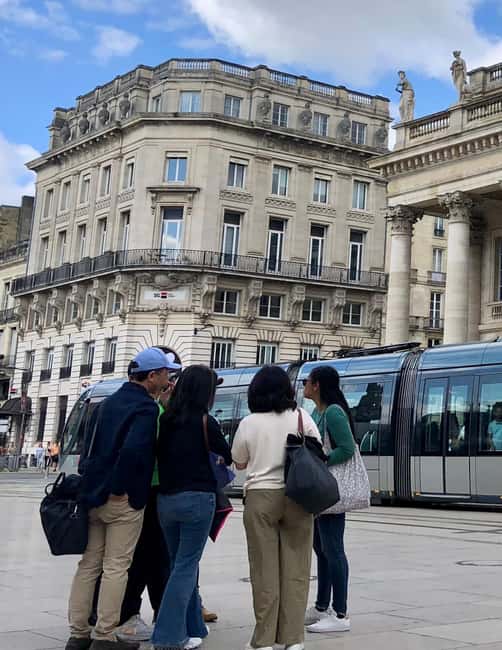
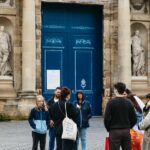
The tour starts at the entrance of Cathédrale Saint-André de Bordeaux, in Place Pey Berland. You’ll know you’re in the right place because Guadalupe is waiting with a green umbrella.
Starting here works. You’re in the right part of town to get your bearings fast, and it sets the theme: this walk isn’t just about pretty buildings. It’s about how Bordeaux’s identity formed around religious authority, civic power, and later, trade.
Also, this is a real local-guided experience rather than a long bus pitch. You’re meeting a person who knows how the city feels on foot, and you’ll get moving soon.
Cathedral Square, the Hotel de Ville, and Pey-Berland’s bell tower
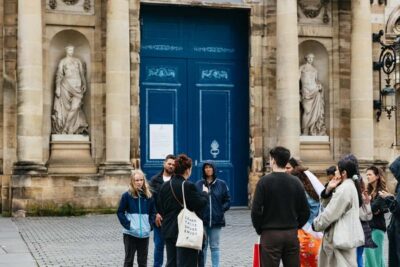
Your first stretch is all about context. You visit (outside) Cathédrale Saint-André and then head into the space around the Pey-Berland bell tower area. Guadalupe explains the cathedral’s history and its different purposes over the years, then points out what matters in the square—like the statues and the way the space functions as a backdrop for civic life.
There’s also a stop at the Hotel de Ville de Bordeaux. Even if you’ve seen city halls elsewhere in Europe, it helps here because the guide frames Bordeaux as a city that constantly shifts roles. The cathedral square is the past. The civic buildings are the present power. That contrast is the whole point.
One practical note: this portion is exterior viewing. If you’re hoping for long interior time, plan that separately. The value here is the story, the sightlines, and the walking flow.
Strolling past Saint-Projet and Camille Julian: where the city keeps changing
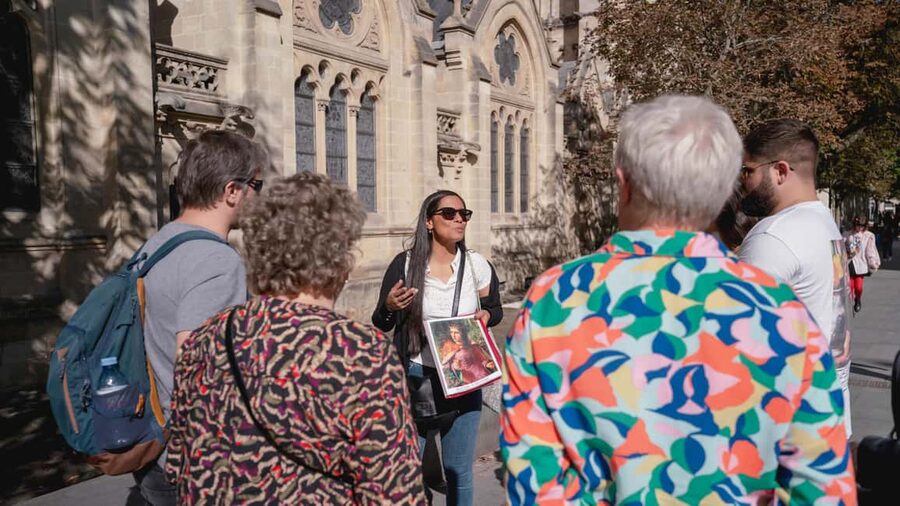
After the main cathedral area, the walk moves through central squares that shaped Bordeaux’s identity. You’ll stop at Place Saint-Projet and Place Camille Julian, with Guadalupe guiding you through why these spots mattered and how the city evolved around them.
This is where the tour becomes more than sightseeing. You start connecting the dots: a square isn’t just a place to pause. It’s a stage—sometimes for leadership, sometimes for ordinary life, sometimes for the city’s commercial direction.
For first-timers, this kind of explanation pays off later. Once you understand why the city organized itself this way, it’s easier to wander on your own after the tour and spot what you might otherwise miss.
Let a local take the lead, more easy days


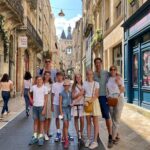


Rue des Bahutiers and Porte Cailhau: medieval Bordeaux in the real world
Then you step into the older-feeling side of town, where the streets narrow and the atmosphere changes. You’ll walk Rue des Bahutiers, a route that’s all about medieval texture and old trades. Guadalupe uses the street layout and location to explain the city’s past roles, not just the name of the street.
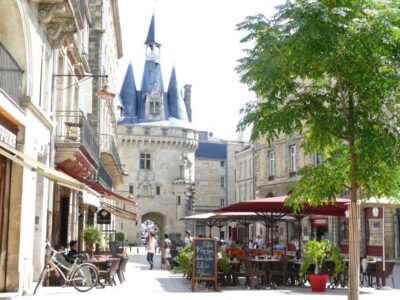
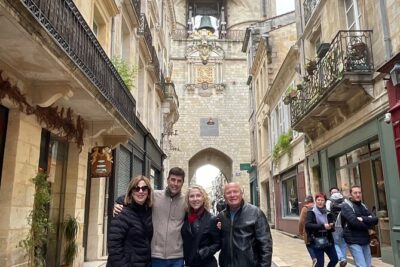
Next comes Porte Cailhau. This is a standout stop because the guide explains both the purpose of the gate and how the surrounding place changed over time. You’re not just looking at a monument. You’re learning what it used to do, and why that mattered for moving people, goods, or power through the city.
A small caution: expect uneven sidewalks and tight turns. That’s part of the authenticity here, but comfortable shoes are non-negotiable.
Saint-Pierre quarter and Église Saint-Pierre: contrast and everyday life
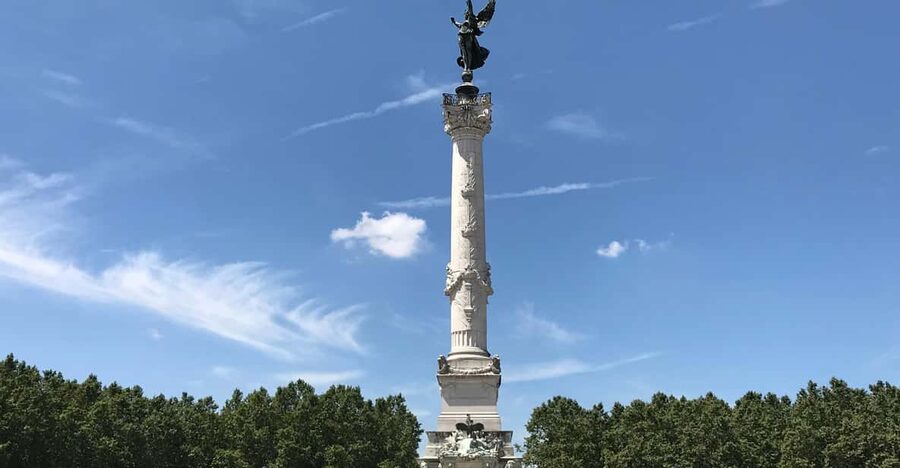
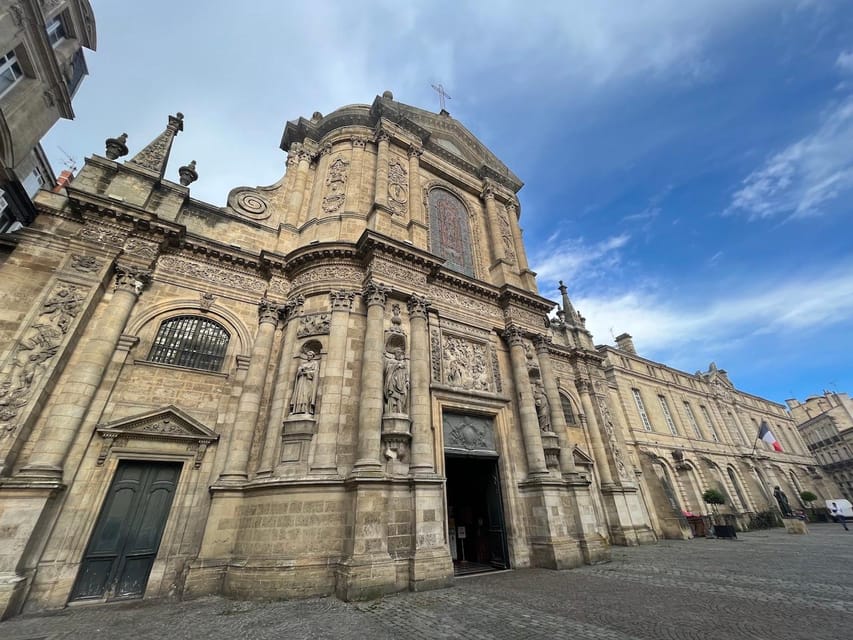
The medieval quarter of Saint-Pierre is next, and Guadalupe leans into how neighborhoods keep reinventing themselves. You’ll hear about the contrasts and how the area’s uses shifted over the years, along with lively places where people dine.
You also visit Église Saint-Pierre. Like the earlier cathedral stop, this is a stop to understand the place in its larger neighborhood context. You’ll come away with a clearer sense of why this area feels different from the city center wide-open squares.
For me, the best part of this section is that it connects “history” to everyday behavior. Instead of turning Bordeaux into a set of static photos, you get a sense of how people used these streets and buildings, then how that usage changed.
Place de la Bourse and Miroir d’Eau: port power and the perfect photo pause
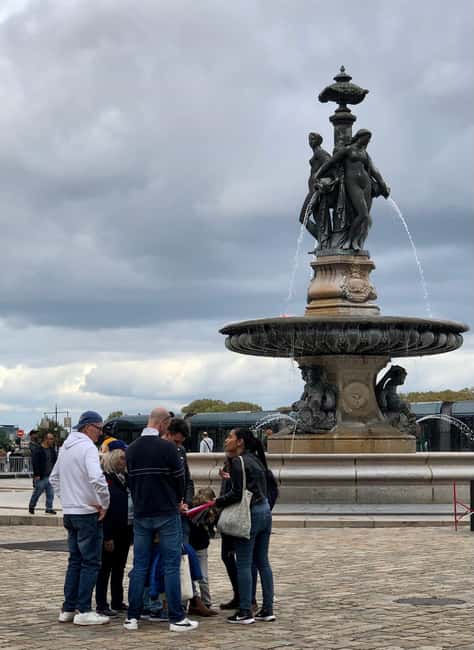
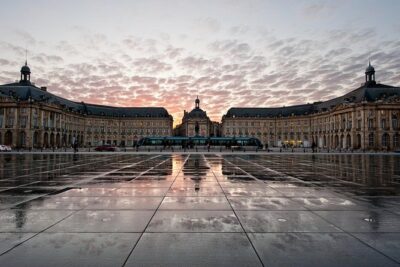
Place de la Bourse is the kind of setting that makes you stop walking. Guadalupe guides you through why this area mattered—especially the role of the port, commerce, and trade in shaping Bordeaux.
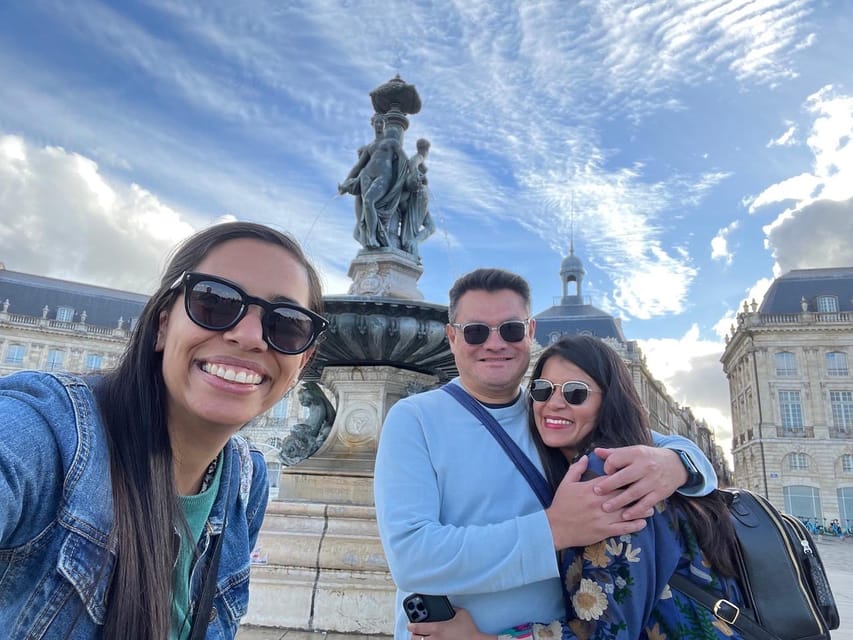
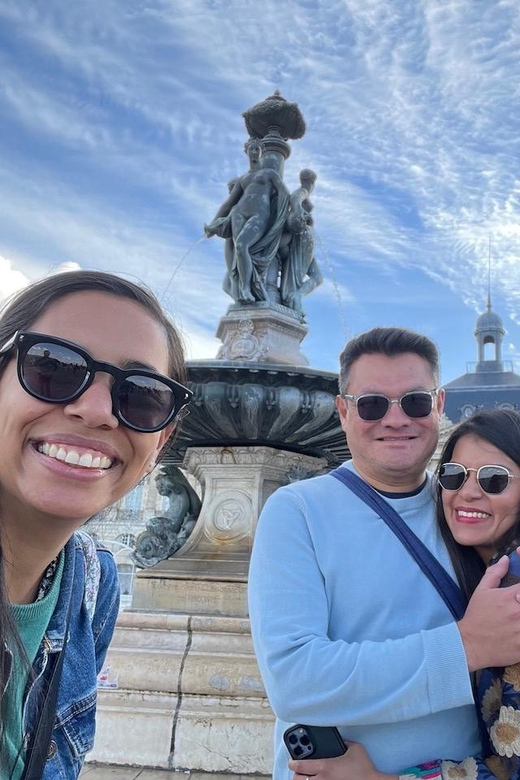
Then comes the Miroir d’Eau (Water Mirror). The guide treats it as a symbol of the city, and it’s also the best moment to grab a souvenir photo. This is where the tour shifts tone from medieval grit to polished elegance, with the water element adding a dramatic visual layer.
If you like your cities to make sense visually, this stop delivers. You can literally see the logic of the city’s prosperity: trade brought wealth, wealth built grand spaces, and those spaces still define the skyline and the mood.
Golden Triangle, Cours du Chapeau-Rouge, and finishing at Grand Théâtre
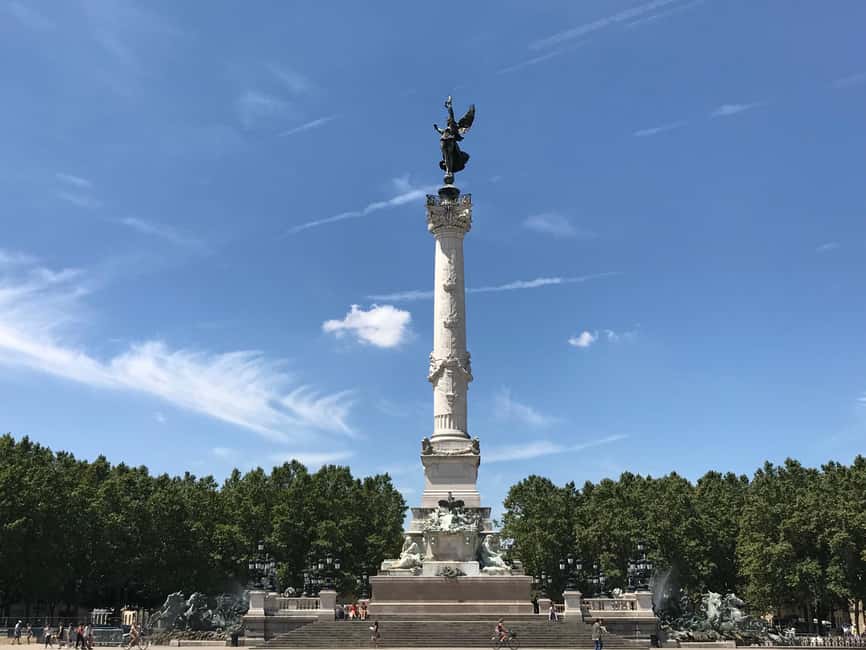
As you continue, you move toward the Golden Triangle, Bordeaux’s prestigious and more exclusive district. Guadalupe frames it as part of the city’s evolution—how tastes, neighborhoods, and wealth concentrated in particular zones.
You also pass through Cours du Chapeau-Rouge, a central street that helps smooth out the transition between the historic core and the most grand civic-arts spaces.
The walk ends at Opéra National de Bordeaux – Grand-Théâtre, after stopping at Place de la Comédie and discussing how that square changed and how the Grand Théâtre came into being. Even if the theater isn’t on your list of must-sees, the explanation makes it feel like a keystone project rather than just another landmark.
Bottom line: your feet do the work, and your guide gives you the reason behind where you’re standing.
The food part you can actually use: patisseries and the cannellé plan
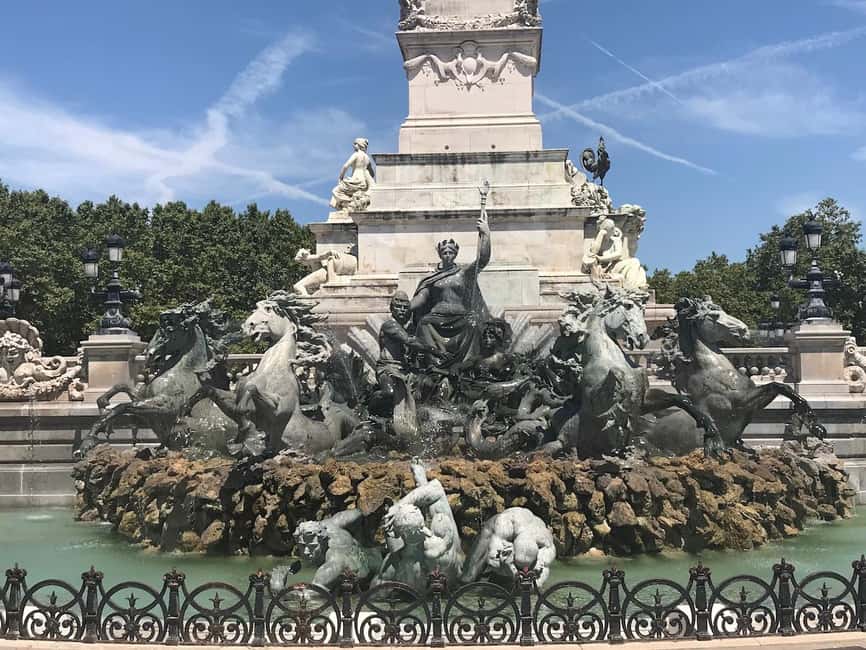
This is one of the most practical walking tours I’ve seen because it doesn’t just point to monuments. It also points you to eating.
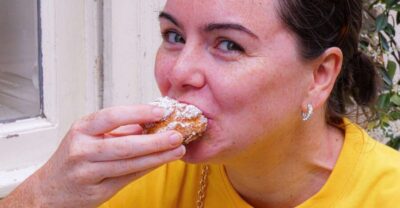
Guadalupe shares the best address to try typical Bordeaux patisseries and highlights the famous cannelé. The tour itself doesn’t include pastries, so you’re making the choice to buy on your schedule. That’s a good thing for value, because you can pick what you want instead of being locked into one stop.
Also, several people have described Guadalupe going a step further with a cannellé tasting during the walk. Don’t count on that every time, but it’s a nice sign that the guide treats this part of the tour seriously, not as a last-minute afterthought.
Afterward, you’ll get recommendations for local restaurants and wine bars. If you only have limited time in Bordeaux, those suggestions are gold because they help you avoid spending your evening in the wrong place.
Price and pacing: why $22 for two hours can make sense
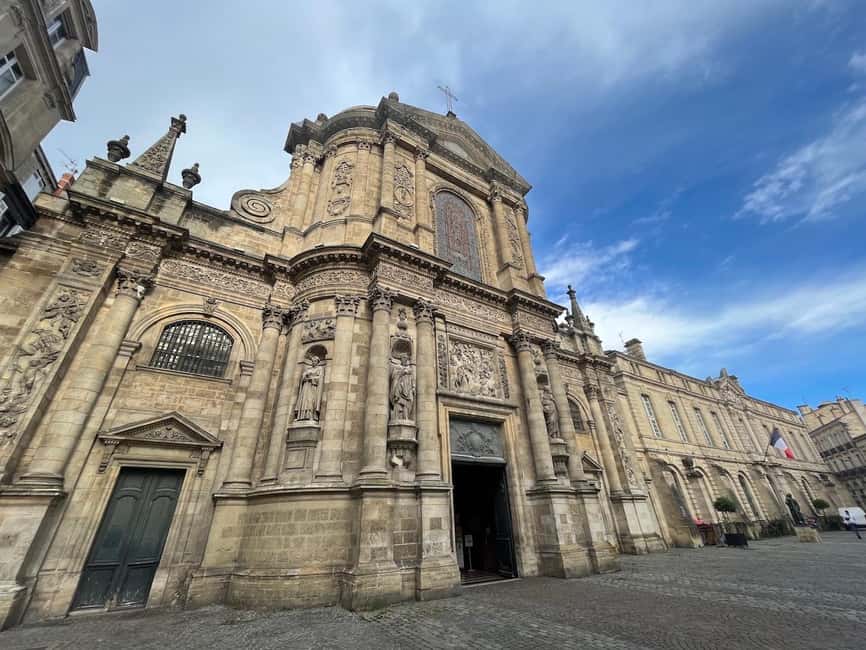
At about $22 per person for a 2-hour, English-speaking small-group walking tour, the value comes from three things.
First, the group size caps at 15. That usually translates into better interaction and a guide who can adjust on the fly if people ask questions or want a little more explanation.
Second, you cover a smart circuit: cathedral square, bell tower area, key central squares, medieval lanes, a gate, the Saint-Pierre area, and then the port-side civic highlights and theater district. It’s compact, but it’s not random.
Third, you leave with recommendations that affect your actual trip quality later that day and the next. In tours that cost a similar amount, you often get a list of vague ideas. Here, you’re guided toward specific local experiences, especially the cannellé-focused dessert hunt.
One pacing consideration: it’s a guided walk, not a museum tour. If you want long stops inside historic buildings, this won’t replace that.
Who should book this tour, and who should skip it?
You’ll like this tour if:
- It’s your first time in Bordeaux and you want the city’s layout and story in a short window.
- You prefer walking with a person who can answer questions and adjust to the group.
- You care about food guidance, not just monuments.
You may want to skip (or pair it with other plans) if:
- You need lots of wheelchair-friendly seating and minimal walking time. The tour includes a statement that it is wheelchair accessible, but it also says it isn’t suitable for people with mobility impairments. If this applies to you, ask before booking so you can match the route to your needs.
- You’re hoping for a slow tour with extensive indoor time. This one prioritizes outdoor sights and the narrative that ties them together.
Should you book this Bordeaux walking tour with Guadalupe?
Yes, if you want a quick, high-impact Bordeaux intro that combines big sights (cathedral square, bell tower, Place de la Bourse, Miroir d’Eau, Grand Théâtre) with a guide who turns the walk into a clear story. It’s a good choice for limited schedules and anyone who likes practical guidance for where to eat afterward.
If you’re more interested in spending hours in museums and interiors, plan those separately and use this tour as your orientation walk.
FAQ
Where does the tour start?
It starts at the entrance of Cathédrale Saint-André de Bordeaux (Place Pey Berland). Guadalupe is there holding a green umbrella.
How long is the walking tour?
The tour lasts 2 hours.
How big is the group?
The group is small, with a maximum of 15 people.
What languages are offered?
The guide speaks English and Spanish.
Is the tour wheelchair accessible?
The activity lists wheelchair accessibility, but it also notes it is not suitable for people with mobility impairments. If mobility is a concern, check directly before booking.
Does the tour include local pastries like cannellé?
Local pastries are not included. The guide provides recommendations, including where to try Bordeaux’s typical patisseries and the famous cannellé.
What should I bring?
Bring comfortable shoes, sunscreen, water, and comfortable clothes.
What is the cancellation policy?
You can cancel up to 24 hours in advance for a full refund.
More Tours in Bordeaux




More Tour Reviews in Bordeaux



Bordeaux on Foot

Just Added: Fresh Bordeaux Reviews
Bordeaux Walking Tours, compared.
 ★ 4.4Guided Walking TourFrom $171,038 reviews
 ★ 5.0Saint-Émilion: Vineyard Walking Tour and TastingFrom $29404 reviews
 ★ 5.0Private – Best of Bordeaux Walking Tour + Glass of Bordeaux WineFrom $102240 reviews
 ★ 5.0Professional – Bordeaux Wine and Cheese Tasting with a walking tourFrom $78218 reviews
 ★ 4.02-Hour Walking Tour of the City’s Iconic Sights and HistoryFrom $17207 reviews
 ★ 4.8Mystery and Myths Walking TourFrom $20187 reviews
 ★ 5.0Bordeaux City – Private Guided Walking Tour with Local SophiaFrom $104164 reviews
 ★ 5.0Bordeaux Walking Tour with a Local Private GuideFrom $11497 reviews
Browse the lists this tour appears in