Reviewed · WINE TASTING CLASSES & MASTERCLASSES
Make your own cuvée of Bordeaux wine
You leave with your own Bordeaux blend. This cellar workshop lets you act like a winemaker, learn how Merlot and Cabernet grapes work together, and then create a personalized cuvée from selected single-varietal wines. I especially like the structure of the blind tasting portion and the fact that you can take home a bottle labeled with your name, which turns the whole lesson into a souvenir you’ll actually remember. One thing to consider: this is blending using existing wines, not a hands-on process of making wine from grapes, and the tasting portion is intentionally guided and time-boxed.
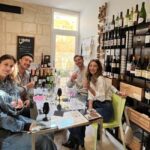
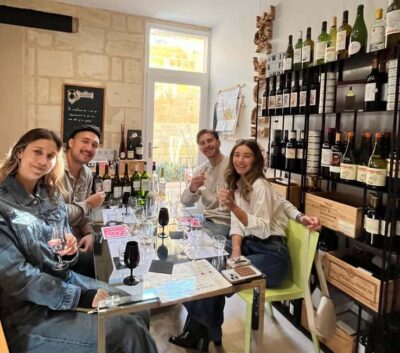
I’d call this a small, friendly class with real payoff. At Le Pied à Terre (a wine cellar and tasting atelier), you’re in English with guides including James and the brothers Pierre and Geoffroy, and the group size caps at 12 so you’re not shouting over a crowd. You’ll also eat Basque-style cheese and charcuterie while you taste and refine your blend, which helps the experience feel like Bordeaux life rather than a classroom stunt.
In This Review
- Key Points Worth Your Time
- Step Into Le Pied à Terre’s Cellar Workshop
- Bordeaux Blending 101: What You’re Actually Learning
- The Tasting Flow: From Smell to Blind Decisions
- Build Your Cuvée With Tubes and Pipettes
- Basque Bites: Food That Makes the Lesson Stick
- Meeting the People Behind the Glass
- Can You Really Make Your Own Wine Here?
- Duration and How Much You’ll Actually Drink
- Price and Value: What $71.20 Buys You
- Who Should Book This Workshop
- Quick Practical Tips Before You Go
- Should You Book This Bordeaux Cuvée Workshop?
- FAQ
- How long is the workshop?
- Where does the experience start, and where does it end?
- Is the workshop offered in English?
- How many people are in the group?
- Do you get to take home the wine you blend?
- What happens if weather is poor or there are not enough travelers?
Key Points Worth Your Time
- Blind tasting that teaches you how Bordeaux tastes are built
- Blend familiar Bordeaux varieties: Merlot, Cabernet Sauvignon, and Cabernet Franc
- Hands-on mixing with tubes and pipettes for your own ratios
- Basque cheese and charcuterie that keeps the pace relaxed
- A take-home bottle labeled for you, so the learning sticks
- A small group cellar setting that feels personal, not rushed
Learn the blend, more tasting classes
- Bordeaux Super Saver Wine Tasting class and St Emilion region★ 5.0 · 184 reviews
- Bordeaux: Wine Masterclass with Cheese and Charcuterie Board★ 4.9 · 184 reviews
- Bordeaux Wine Masterclass: Blending workshop with appetizer★ 5.0 · 113 reviews
- Bordeaux Wines Masterclass paired with cheeses & charcuterie★ 5.0 · 110 reviews
Step Into Le Pied à Terre’s Cellar Workshop
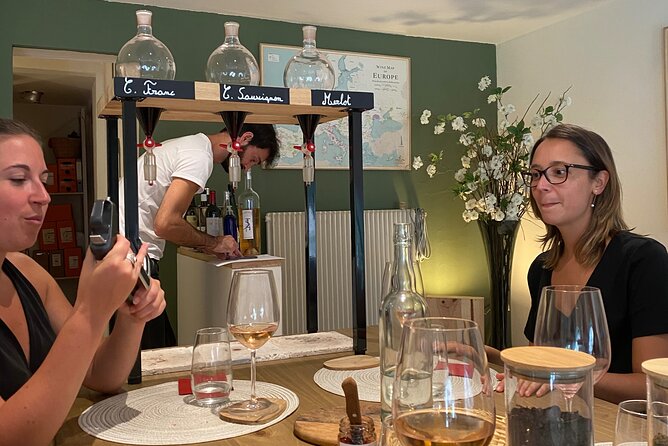
Bordeaux has plenty of tours where you sip and move on. This one slows down in a very practical way: you learn what to look for in the glass, then you apply it right away by blending your own cuvée.
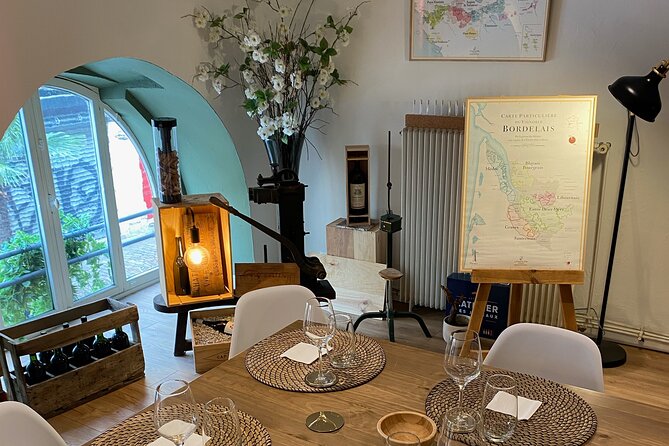
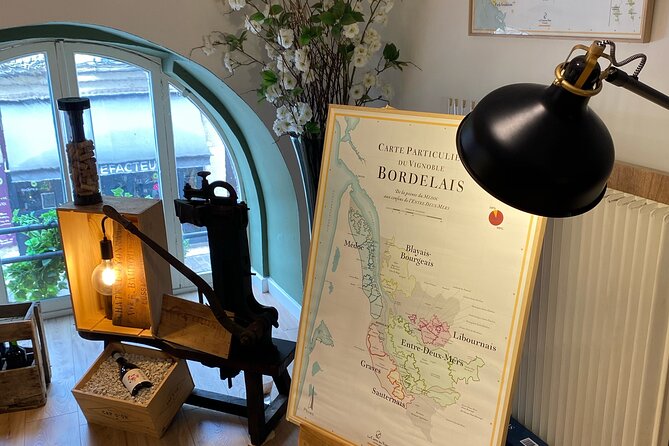
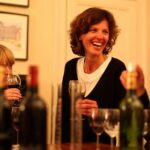
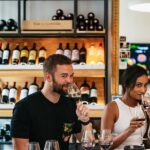
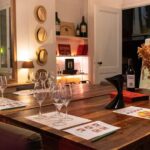
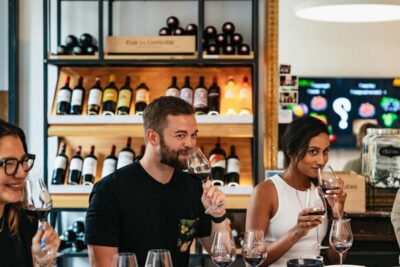
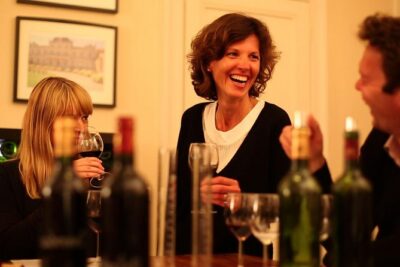
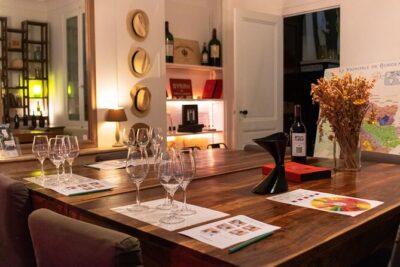
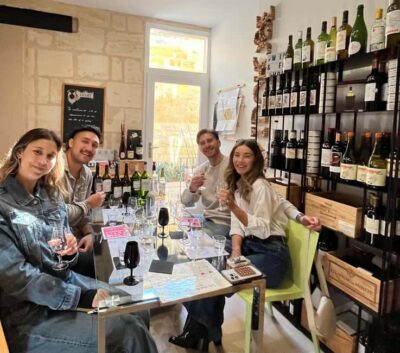
The setting matters. Le Pied à Terre is a wine cellar and tasting atelier, so the mood is warm and close-up. With a maximum of 12 people, you get time to smell, taste, compare, and ask questions without the usual “one question per busload of tourists” problem.
Bordeaux Blending 101: What You’re Actually Learning
The core idea is simple and useful: Bordeaux wines often feel balanced because different grape varieties bring different jobs. In this workshop, you’re guided through the typical aromatic profiles of Bordeaux grapes, so you don’t just memorize flavors—you understand why they show up.
You’ll focus on three key players:
- Merlot for roundness and approachable fruit notes
- Cabernet Sauvignon for structure and the firm tannin backbone
- Cabernet Franc for character and often a more aromatic, “lifted” edge
Your guide helps you connect those dots by explaining how these varieties interact to create a wine that tastes expressive yet coherent. I like this approach because it turns Bordeaux from a label game into a logic game you can keep using the rest of your trip.
The Tasting Flow: From Smell to Blind Decisions
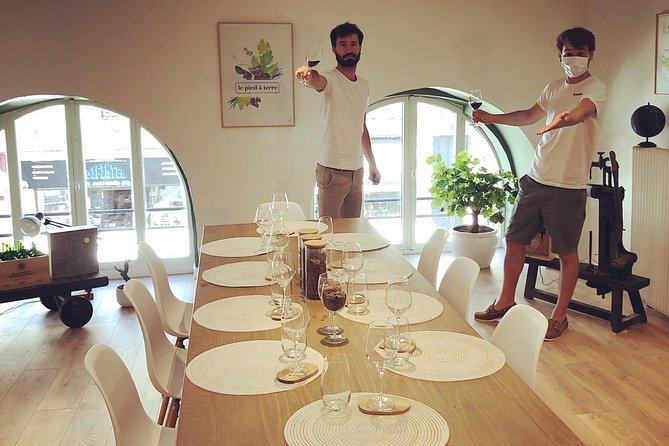
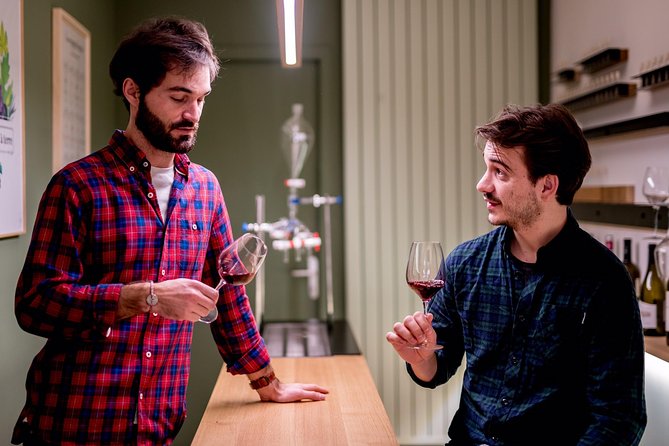
A big reason this workshop earns such strong ratings is the way it teaches tasting skills in steps. You start with a more guided approach to help you build vocabulary and instincts: aromas, taste, and how structure (like tannins) affects the way the wine feels in your mouth.
Then you move into a blind round. That blind tasting step is where the class becomes genuinely useful. Without labels nudging you, you’re forced to pay attention to what you’re sensing—and that’s exactly what helps you later when you’re choosing wines at a shop or ordering in a restaurant.
One practical tip I’d carry into the rest of Bordeaux: taste and smell with purpose. If you only swirl and sip quickly, you’ll miss the signals that tell you what a blend needs. The workshop encourages you to think like a winemaker in real time, which is much more memorable than passively listening.
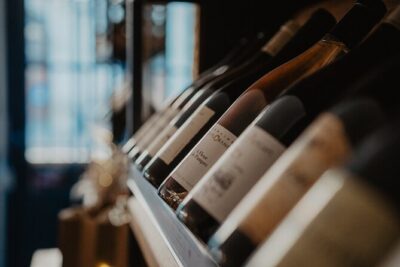
More Bordeaux labels worth opening

Build Your Cuvée With Tubes and Pipettes
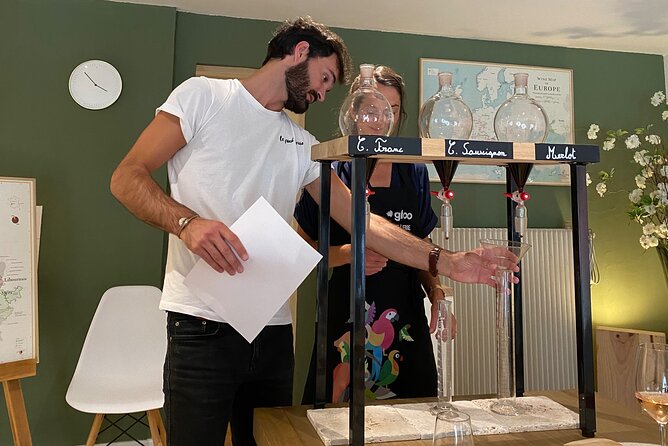
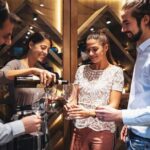
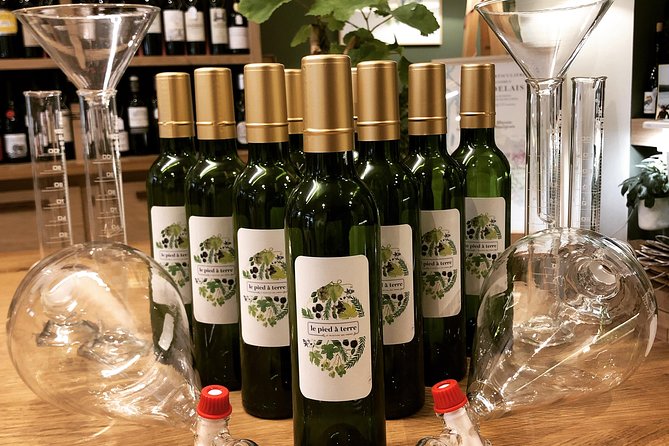
Now for the part you’ll actually talk about later: mixing. You’re guided through experiments with personalized blends using tubes and pipettes, which makes the process feel controlled rather than messy guesswork.
Here’s what I find smart about this setup. Instead of dumping “random percentages” and hoping for the best, you’re using tools that let you adjust ratios. That gives you a quick feedback loop: change one component, taste, and notice how the blend shifts.
You’ll create a cuvée using selected single-varietal wines that reflect Bordeaux’s key grapes. As you blend, you’re essentially trying to solve the same problem real winemakers solve: balance. The result you chase might be more fruit-forward, more structured, or more aromatic—whatever matches your taste.
Basque Bites: Food That Makes the Lesson Stick
Wine classes can become a blur of sips. This one uses food in a way that supports the tasting rather than distracts from it.
Your starter is cheese and charcuterie from the Basque Country. That pairing choice makes sense: salty, savory flavors help you keep noticing sweetness, acidity, and tannin feel. Also, eating together in the cellar atmosphere makes the whole event feel like Bordeaux culture, not just a science lecture with wine.
If you’re the type who needs something in your stomach before tasting, you’ll probably appreciate that the workshop doesn’t leave you empty-handed.
Meeting the People Behind the Glass
Part of the value here is the delivery. Guides including James and the brothers Pierre and Geoffroy are central to the experience, and the consistent theme is enthusiasm plus clarity.
You’ll notice how they explain wine without turning it into a snooty performance. They connect Bordeaux’s geography and grape behavior to what you taste, then they help you apply it as you blend. Even if you’re new to wine, you’re not stuck memorizing terms—you’re using what you learn.
And because the group stays small, the vibe tends to be interactive. You’ll have a better chance to compare perceptions with others, which is one of those “I didn’t expect this to matter” benefits.
Can You Really Make Your Own Wine Here?
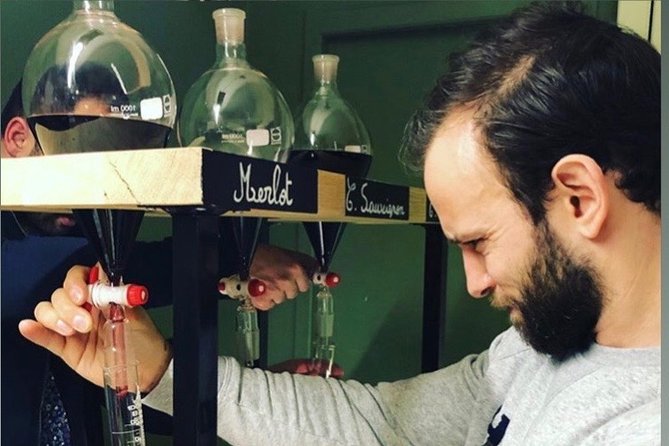
This is the one point I’d handle carefully, because a couple of mixed reviews flagged a mismatch with expectations.
What you can do: you blend wines to create your own cuvée, and you can take home a bottle labeled with your name. The workshop is designed around the blending experience with guided tastings leading up to it.
What you shouldn’t expect: you’re not making wine from crushed grapes or doing cellar labor. It’s a blending workshop and tasting class, not a full production workshop.
If you’re hoping for a literal winemaking day (sorting grapes, pressing, fermentation work), this probably won’t satisfy that fantasy. But if you want to understand Bordeaux blending and leave with a bottle created by your own taste preferences, the experience is very much what it promises.
Duration and How Much You’ll Actually Drink
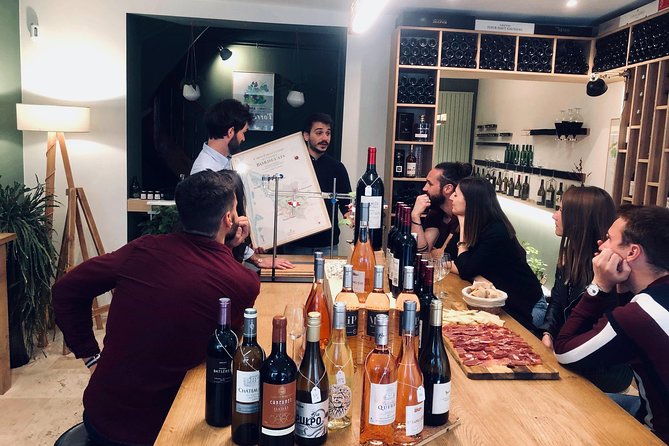
The listed duration is about 2 hours 30 minutes, and many people describe it as a fast-moving couple of hours. Still, a few comments mention the session felt shorter than expected.
Here’s the practical takeaway: treat it as a structured class, not a long wine crawl. You’ll taste multiple wines, but it’s not an all-you-can-sip situation. Expect modest portions designed for learning and comparison.
That’s a good thing, honestly. It keeps the tasting accurate and lets you focus on differences instead of getting swept up in volume.
Price and Value: What $71.20 Buys You
At $71.20 per person, this isn’t the cheapest thing in Bordeaux—but it also isn’t overpriced for what you get.
You’re paying for several components that add up:
- a guided cellar workshop focused on Bordeaux blending
- a step-by-step tasting approach, including a blind tasting
- hands-on blending with tools (tubes and pipettes)
- Basque cheese and charcuterie as part of the experience
- the chance to take home a bottle labeled with your name
- a small group size (max 12), which improves the coaching time you receive
For context, many wine experiences in France give you a short tasting and a lecture with no real “you did this” moment. Here, the blend is yours, which makes the price feel more justified—especially if you’re the kind of traveler who likes to learn and not just sample.
Who Should Book This Workshop
This is ideal if you:
- want a hands-on Bordeaux experience without hiring a private guide
- enjoy tastings that teach you how to taste, not just what to taste
- plan to buy Bordeaux wines and want a better instinct for balance
- like small-group activities in a cellar setting
It might not fit you as well if you:
- only drink white wine (this is clearly focused on Bordeaux red blending)
- expect literal wine production from grapes rather than blending existing wines
- are looking for a long, social wine party with heavy pours
If your goal is to become more confident ordering Bordeaux by the glass or building a “why this works” mindset for blends, this class is a smart use of an afternoon.
Quick Practical Tips Before You Go
A few things will help you enjoy it more:
- Bring curiosity, not a checklist. The blind tasting works best when you let yourself guess and learn.
- If you can, eat something light before you arrive, then enjoy the Basque cheese and charcuterie during the class.
- Wear something comfortable for sitting and tasting. You’ll be smelling and sipping more than walking.
- If you’re buying wine later, take notes on what you loved in your own blend versus what you struggled to identify in the blind round.
Also, book ahead if you can. This experience averages around 45 days in advance, so popular dates can go fast.
Should You Book This Bordeaux Cuvée Workshop?
I’d book it if you want a real learning experience with a fun outcome: tasting skills plus a bottle you helped create. The combination of guided tasting, a blind decision round, and hands-on blending is exactly the kind of workshop that makes a trip to Bordeaux feel personal, not generic.
But book with the right expectation. This is blending and tasting in a cellar workshop, not full winemaking from grapes. If you’re good with that, you’ll likely find it one of the most memorable things you do in Bordeaux—because you leave with knowledge and a bottle tied to your own choices.
FAQ
How long is the workshop?
It runs for about 2 hours 30 minutes.
Where does the experience start, and where does it end?
It starts at Le Pied à Terre – Cave à vin & atelier dégustation, 22 Rue Judaïque, 33000 Bordeaux, France, and it ends back at the meeting point.
Is the workshop offered in English?
Yes. The experience is offered in English.
How many people are in the group?
The workshop has a maximum of 12 travelers.
Do you get to take home the wine you blend?
You have the possibility to take home a bottle labeled with your name.
What happens if weather is poor or there are not enough travelers?
If it’s canceled due to poor weather, you’ll be offered a different date or a full refund. If the minimum number of travelers isn’t met, you’ll also be offered a different date/experience or a full refund.
More Bordeaux Wine to Taste
More Tour Reviews in Bordeaux
Learn the Bordeaux Blend
Just Added: Fresh Bordeaux Reviews

Wine Tasting Classes & Masterclasses, compared.
 ★ 4.9Wine Masterclass with Cheese and Charcuterie BoardFrom $53184 reviews
 ★ 5.0Bordeaux Super Saver Wine Tasting class and St Emilion regionFrom $180184 reviews
 ★ 5.0Bordeaux Wine Masterclass: Blending workshop with appetizerFrom $54113 reviews
 ★ 5.0Bordeaux Wines Masterclass paired with cheeses & charcuterieFrom $54110 reviews
 ★ 4.9Guided Bordeaux Wine Tasting Class with 6 WinesFrom $5175 reviews
 ★ 5.0Workshop Bordeaux wine tasting: 4 reds & charcuterie pairingFrom $4672 reviews
★ 4.8Wine Masterclass & Blending workshop with appetizerFrom $5354 reviews
★ 5.0Workshop Bordeaux wine tasting: 4 reds & charcuterie pairingFrom $4672 reviews
★ 4.8Wine Masterclass & Blending workshop with appetizerFrom $5354 reviews
 ★ 5.0Wine Masterclass & Cheese Tasting Workshop in BordeauxFrom $5429 reviews
Browse the lists this tour appears in