
Reviewed · SAINT-ÉMILION WINE TOURS
Bordeaux Super Saver Wine Tasting class and St Emilion region
Eleven wines, then UNESCO medieval streets. This Bordeaux Super Saver stacks a city-center wine lesson with a St-Émilion road trip, so you get both Bordeaux basics and classic left-bank scenery in one day. I love that it’s small-group (max 8), and I really like the way the tastings are taught like a skill, not a sales pitch. One thing to consider: it’s a packed day, so if you want lots of free time at a single château, you may find the schedule a bit tight and the minivan time adds up.
You start right in central Bordeaux at 3 Rue d’Enghien at 10:30am, with the tour ending back at the same meeting point. For $180.27, you’re not just buying wine—you’re buying a guided palate course plus transport, with two tasting sessions and a total of 11 wine samples across the day.
In This Review
- Key things I’d underline before you book
- Starting at 3 Rue d’Enghien: Bordeaux’s wine lesson in the city
- How the 11-wine tastings teach you to taste, not just drink
- The St-Émilion château stop: classified visit plus wine tasting time
- St-Émilion UNESCO village: medieval streets, not just wine
- Price and value: what $180.27 buys you (and why it’s more than wine)
- The day’s flow: timing you can plan around
- Small-group reality: what “max 8 travelers” feels like
- Choosing this tour: who it fits best (and who should reconsider)
- Practical tips so you get the most from the day
- Should you book the Bordeaux Super Saver and St-Émilion tour?
- FAQ
- How long is the Bordeaux Super Saver and St-Émilion tour?
- How much does the tour cost?
- Where does the tour start?
- What time does the tour begin?
- How big is the group?
- Is the tour offered in English?
- Is lunch included?
- What is the minimum age to drink alcohol?
- Is hotel pickup included?
Key things I’d underline before you book
- Max 8 people, so questions and tasting tips don’t get lost in a crowd
- 11 wines sampled across the day, including a learning-focused tasting approach
- St-Émilion UNESCO village time plus a château visit and wine tasting
- Minivan transport included, which is the difference between “easy day” and “logistics day”
- English-only, helpful if you want the wine education to land cleanly
More Saint-Emilion, chateau by chateau
- Medoc or Saint Emilion Wine Tasting and Chateau from Bordeaux★ 5.0 · 1,415 reviews
- Saint Emilion Day Trip with Sightseeing Tour & Wine Tastings from Bordeaux★ 5.0 · 1,120 reviews
- Saint Emilion Half-Day Trip with Wine Tasting & Winery Visit from Bordeaux★ 4.5 · 1,034 reviews
- From Bordeaux: St. Emilion Village Half-Day Wine Tour★ 4.7 · 728 reviews
Starting at 3 Rue d’Enghien: Bordeaux’s wine lesson in the city
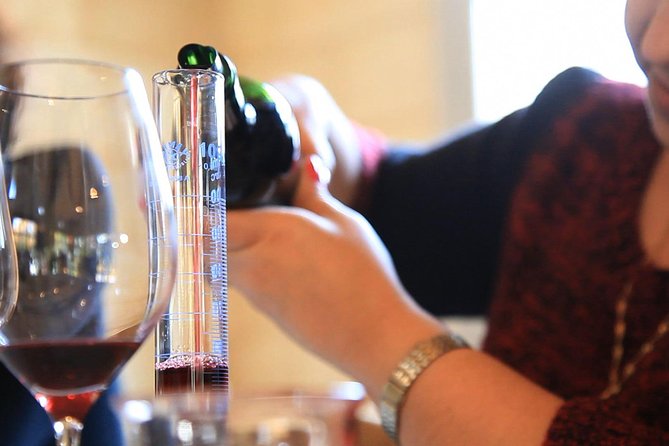
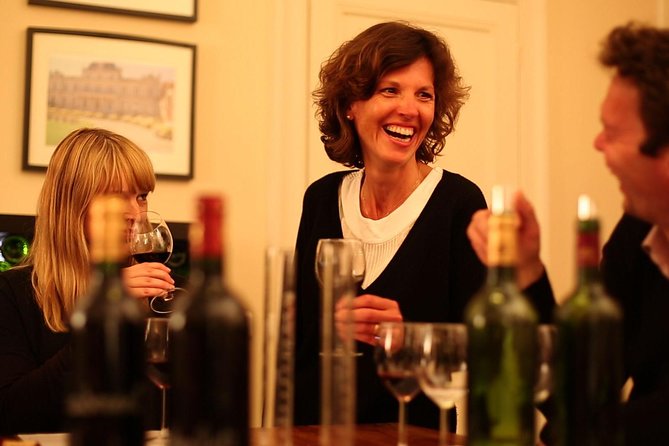
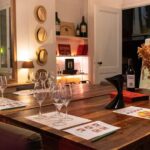
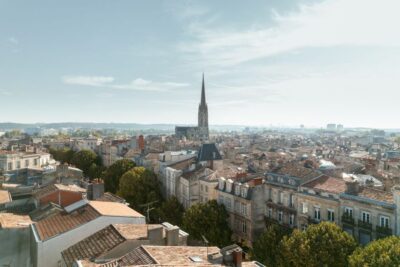
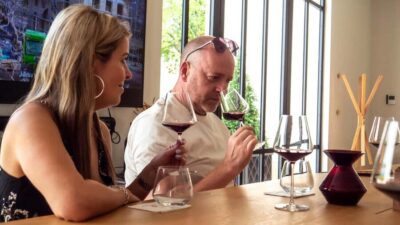
The day begins in Bordeaux’s center at 3 Rue d’Enghien, with a 2 hours 30 minutes wine-tasting session designed for small groups. This is a strong starting point because you get context before you go chasing impressions around St-Émilion. Bordeaux can feel confusing at first—varietals, styles, and regions blend together fast—so starting with a guided lesson helps you actually taste with intention later.
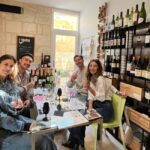
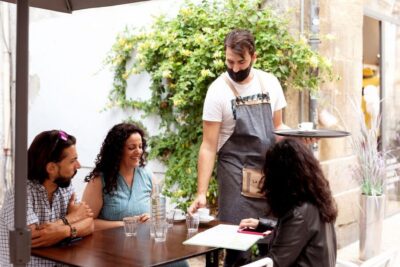
This morning stop is where the tour aims to do more than pour wine. In the reviews, I kept seeing the same pattern: guides make the tasting feel interactive, with people learning how to look, smell, and taste like they mean it. Some groups even mention tasting games such as blind-style checks and aroma exercises. If you’re new to French wine, this part matters. If you already know your way around Bordeaux, it still helps you calibrate your own palate against what the winemakers are trying to express.
The other practical win: you’re in town first. That means you can show up without a complicated pickup and still get a full day of wine education plus sightseeing.
How the 11-wine tastings teach you to taste, not just drink
The big promise here is simple: you’ll taste 11 different French wines throughout the day. That number is useful because it forces variety. You’re not stuck with one grape or one style—you’ll encounter enough differences that you start noticing patterns: how acidity feels, what certain aromas remind you of, and how blends compare to single-varietal expressions (when they’re part of your tasting set).
What I really like about a structured approach like this is that it gives you a repeatable method. Instead of thinking, I either like this or I don’t, you learn to ask better questions:
- What do I smell first, and what changes as it warms?
- Does the wine feel light and crisp, or round and softer?
- Does the finish feel short or lingering?
That matters at the château stops later, because you’re no longer tasting “stuff.” You’re testing ideas your guide puts in your head during the morning class.
One small flag: your pace is guided, and the format is set up for broad sampling. That’s great for learning, but if your ideal day is slower and more hands-on with deeper pours, you might wish you could linger longer somewhere and taste fewer wines more carefully.
The St-Émilion château stop: classified visit plus wine tasting time
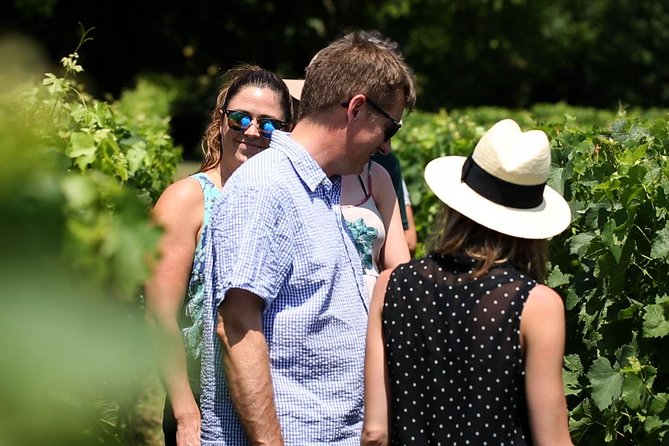
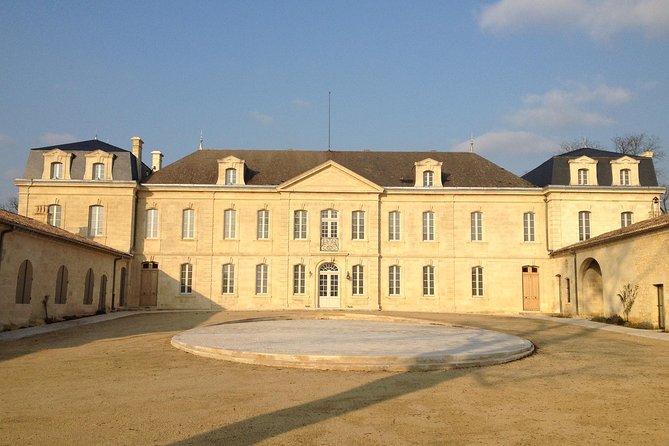
After the morning session, you head out toward St-Émilion, with transport by minivan. The château stop is listed as a Château Growth Classified visit and wine tasting, and it lasts about 1 hour. That hour is your “vineyard-to-glass” payoff: you get the reason behind what you tasted in the city—how a place, a style, and a cellar approach can create recognizable flavor.
In reviews, I saw a lot of praise for guides who connect the dots between the lesson and the château visit. That’s what you want from a day like this. If the château experience feels like a separate event, you miss out on the education thread that makes your tasting sharper. If the guide brings the morning’s tasting cues into the afternoon, everything clicks faster.
Also, you should set expectations for time. You’re getting a classic overview plus tasting, not a long private seminar. You’ll likely taste multiple wines during the winery segment (the tour info says you’ll do a guided winery tour where 3 to 4 wines are tasted at a winery). In practice, that means you’ll taste enough to compare, but it won’t replace a dedicated day focused on one estate.
Learn the blend, more tasting classes


St-Émilion UNESCO village: medieval streets, not just wine
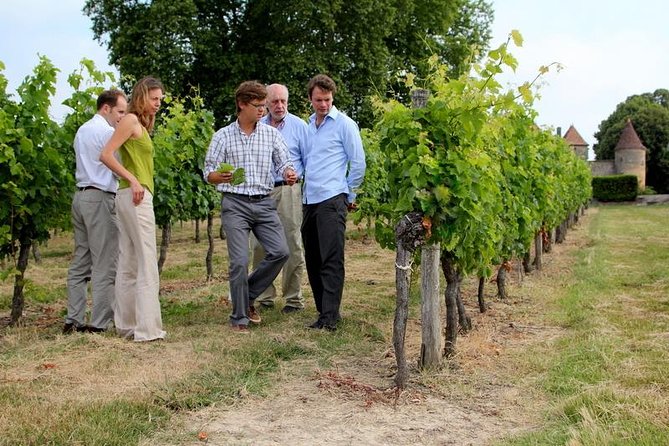
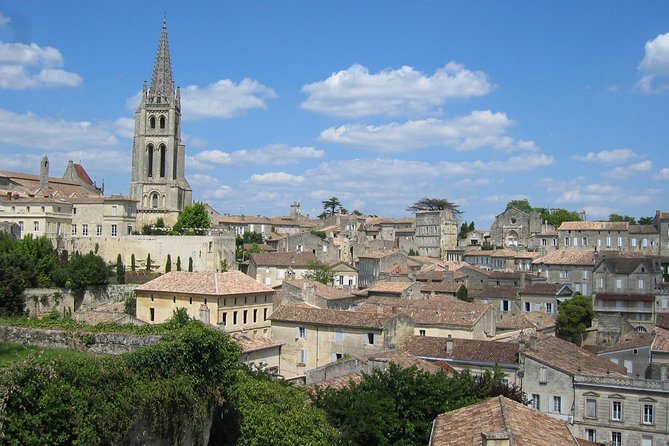
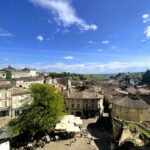
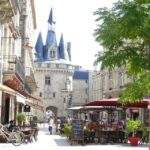
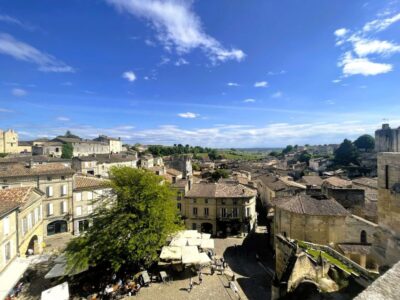
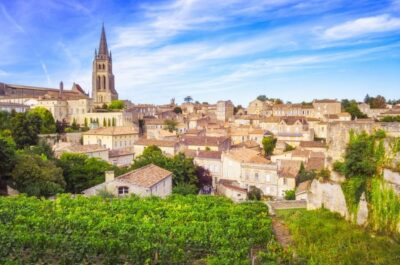
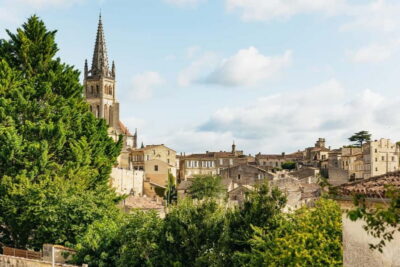
The next stop is the UNESCO-classified village tour, also about 1 hour. This part is more than a break from wine talk. St-Émilion’s old streets and stone buildings give your brain a visual memory to attach to the wine flavors you just discussed.
One unique detail from reviews: people mention seeing the Brotherhood of St-Émilion process in town. Even if you don’t catch a procession on your day, you’re still walking a place with a strong wine identity. The village tour is the right kind of “cultural reset” after a winery visit—so you don’t feel like you’re doing nonstop tastings with no context.
One drawback to consider: one hour goes quickly. If you want souvenir time or a slow wander with coffee, plan to treat this as a curated look, not an unlimited stroll.
Price and value: what $180.27 buys you (and why it’s more than wine)
At $180.27 per person for about 7 hours 30 minutes, this tour isn’t bargain-bin pricing. But it’s also not priced like a luxury private wine day. Here’s what you’re paying for, in plain terms:
- A small-group guide
- Transport by minivan
- Two tasting sessions
- Total tastings of 11 wines
- A guided château visit and a guided village tour
The value angle is time and structure. If you tried to recreate this on your own, you’d spend time figuring out scheduling, transportation, and where to learn tasting foundations versus where to do château visits. Paying for a guided day is essentially paying to reduce the “planning tax” and keep everything running smoothly.
That said, some negative feedback centers on how the day’s timing can feel tight—especially if the drive takes longer than expected or if your afternoons shift into a more “sample and move on” rhythm. If you’re the type who wants to buy a bunch of bottles after a long tasting and linger with staff, you may prefer a custom itinerary with more estate-specific time.
The day’s flow: timing you can plan around
The start time is 10:30am, with the tour beginning at 3 Rue d’Enghien. You should assume the day is organized like this:
- A longer morning tasting lesson in Bordeaux (about 2.5 hours)
- An afternoon drive and château tasting (about 1 hour)
- A village walk/tour (about 1 hour)
- Return back to the meeting point by day’s end
So you’re not just sightseeing—you’re moving between three different “modes”: classroom tasting, château visit, and village wandering.
No hotel pickup is listed, so do yourself a favor: arrive early enough to locate the meeting point without stress. Since you’re tasting alcohol, also build in basic comfort. Wear shoes that work for walking streets in St-Émilion.
One more practical note: the tour is English-only, and the minimum age to drink alcohol is 18.
Small-group reality: what “max 8 travelers” feels like
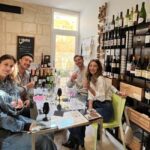
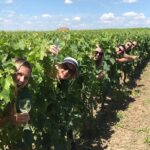
A maximum of 8 travelers changes the tone. You tend to get more back-and-forth, and the guide can correct or tailor tips. In reviews, that’s where many people praised the guides most: not just facts, but how they guide your senses—what to smell, how to describe what you’re tasting, and how to compare wines without pretending you need a wine degree.
This kind of group size is also why the tour can feel intimate. You can ask the questions you actually care about, like:
- How do I tell the difference between styles?
- What should I try again later if I liked something?
- What should I look for on a label once I’m back home?
If you’re traveling as a couple, this format often feels ideal. People also mention family groups in reviews, so it can work if everyone’s aligned with a wine-focused day.
Choosing this tour: who it fits best (and who should reconsider)
This tour is a great fit if:
- You want a first serious Bordeaux wine day without committing to multiple separate tours
- You like the idea of structured tasting education plus a real-world château stop
- You want to leave with better wine vocabulary and tasting habits, not just a few good sips
You might reconsider if:
- You crave long, slow tastings and deep time at one estate
- You dislike minivan travel and want the afternoon to be mostly in one place
- You want lots of opportunity to purchase wine on-site during extended tastings (this tour format can feel more like tasting and moving on)
I’d also say this is ideal for honeymooners and special-trip travelers because it mixes learning with scenery: Bordeaux in the morning, St-Émilion in the afternoon.
Practical tips so you get the most from the day
- Bring a few quick notes in your phone. The tastings come fast, and it helps to remember what you liked and why.
- Pace your water. Alcohol + long travel time adds up, even with small pours.
- Ask for tasting guidance early. If you’re a beginner, say so at the start and you’ll get better support for the rest of the day.
- If you buy wine later, focus on the styles you can describe. The day’s teaching makes that easier than guessing on labels.
Should you book the Bordeaux Super Saver and St-Émilion tour?
I’d book it if your goal is a high-effort, high-education Bordeaux introduction with a classic UNESCO village payoff. The combination of city-center tasting instruction, a guided château experience, and a structured St-Émilion walk is exactly how you compress a lot of value into one day.
I’d skip or switch tours if you’re expecting a long, slow château immersion with lots of free time and extra purchasing options. This is a well-run sampler-and-sightseeing format. If that matches your style, you’ll likely have a fun, memorable day that makes Bordeaux wine feel less mysterious afterward.
FAQ
How long is the Bordeaux Super Saver and St-Émilion tour?
It runs for about 7 hours 30 minutes.
How much does the tour cost?
The price is $180.27 per person.
Where does the tour start?
The meeting point is 3 Rue d’Enghien, 33000 Bordeaux, France.
What time does the tour begin?
It starts at 10:30am.
How big is the group?
The tour has a maximum of 8 travelers.
Is the tour offered in English?
Yes, the tour is English only.
Is lunch included?
Lunch is not included.
What is the minimum age to drink alcohol?
The minimum age to drink alcohol is 18.
Is hotel pickup included?
Hotel pickup and drop-off are not included; the tour ends back at the meeting point.
More Tour Reviews in Bordeaux


Learn the Bordeaux Blend

Saint-Emilion, Chateau by Chateau

Just Added: Fresh Bordeaux Reviews



Saint-Émilion Wine Tours, compared.
 ★ 4.8From Bordeaux: Afternoon Saint-Emilion Wine Tasting & snackFrom $1121,581 reviews
 ★ 5.0Medoc or Saint Emilion Wine Tasting and Chateau from BordeauxFrom $1141,415 reviews
 ★ 5.0Saint Emilion Day Trip with Sightseeing Tour & Wine Tastings from BordeauxFrom $2501,120 reviews
 ★ 4.5Saint Emilion Half-Day Trip with Wine Tasting & Winery Visit from BordeauxFrom $1331,034 reviews
 ★ 4.7From Bordeaux: St. Emilion Village Half-Day Wine TourFrom $129728 reviews
 ★ 4.9From Bordeaux: St-Emilion Day Tour with Tastings and LunchFrom $177714 reviews
 ★ 5.0Saint-Emilion Electric Bike Day Tour with Wine Tastings & LunchFrom $217696 reviews
 ★ 4.6From Bordeaux: Half-Day Saint-Émilion Tour and Wine TastingFrom $102657 reviews
Browse the lists this tour appears in