Reviewed · BORDEAUX WINE & CHEESE TASTINGS
Workshop Bordeaux wine tasting: 4 reds & charcuterie pairing
Four Bordeaux reds, one hour, real payback.
This small-group Bordeaux workshop near Stalingrad turns wine class into a hands-on conversation, led by experts like Cécilia and Mathilde (Université du Vin trained). You taste four red wines plus one mystery glass, then learn how to notice what you’re tasting instead of memorizing labels.
What I really like: you get a take-home tasting booklet and a guided method you can use later. Expect structured lessons on Bordeaux essentials like grape variety, blends, and what makes Left Bank vs Right Bank wines feel so different.
One consideration: it’s not set up for mobility impairments, and the tasting room is tucked behind a building with a grey door you’ll need to find (there’s a bell marked I ♥️ TASTING).
In This Review
- Key things I think you’ll notice
- A one-hour Bordeaux wine class near Stalingrad
- How the session works: 4 reds plus a mystery pour
- Left Bank vs Right Bank made practical (not snooty)
- The aroma game: learning to describe what you actually smell
- Charcuterie pairing that teaches by contrast
- The take-home booklet you’ll actually use
- Where you’ll meet and what to expect inside
- Price and value: why $46 works for what you get
- Who this workshop fits best (and who might want alternatives)
- Should you book this Bordeaux wine workshop?
- FAQ
- How long is the Bordeaux wine tasting workshop?
- How many people are in the group?
- What languages are offered?
- What do I get during the class?
- Where is the meeting point?
- Is hotel pickup included?
- Can the experience accommodate someone who prefers white wine?
- Is it suitable for people with mobility impairments?
Key things I think you’ll notice
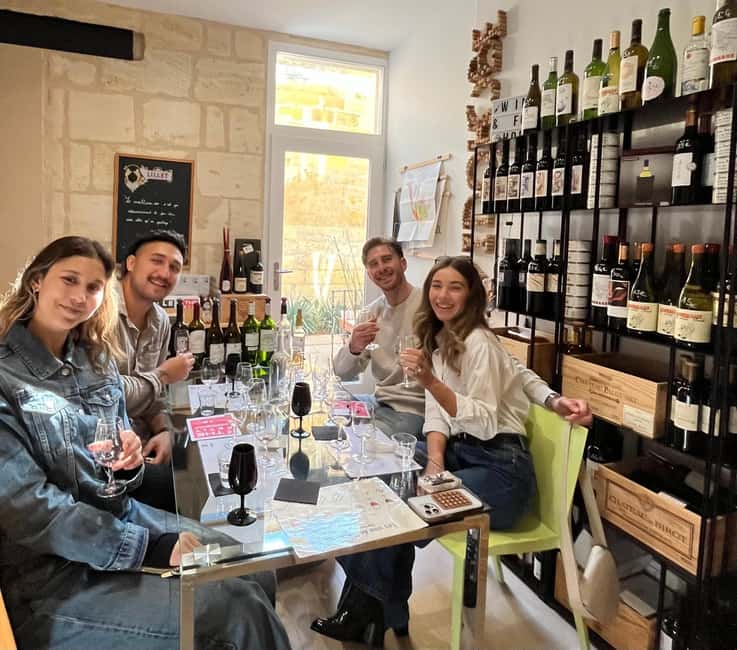
- Up to 6 people: enough chat time, not a lecture hall vibe
- Four reds plus a mystery glass: keeps you paying attention
- Left Bank vs Right Bank made simple: structured, fruit-forward, and aging potential
- Aroma game: a fun shortcut to describing wine like you mean it
- Charcuterie pairing: you taste how food changes what you perceive
- Take-home booklet: practical reminders after your Bordeaux day ends
Another board of cheese, a glass to match
- Saint-Emilion Afternoon Wine Tour – 2 Wineries & delicacies★ 5.0 · 614 reviews
- Professional – Bordeaux Wine and Cheese Tasting with a walking tour★ 5.0 · 218 reviews
- Tasting of 6 Bordeaux wines and pairing charcuterie & cheese★ 5.0 · 199 reviews
- Bordeaux: Wine Masterclass with Cheese and Charcuterie Board★ 4.9 · 184 reviews
A one-hour Bordeaux wine class near Stalingrad
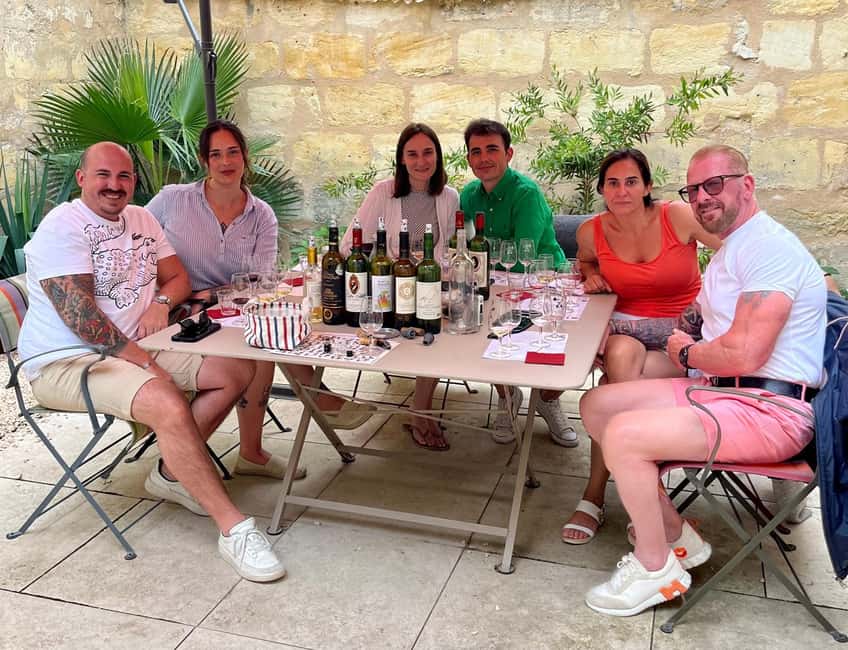
Bordeaux can feel intimidating. There are regions, château names, vintages, blends… and suddenly you’re guessing. This workshop keeps it human. You’re in Bordeaux city, meeting at 25 avenue Thiers (about 100 meters from tram A stop Stalingrad). Then you step into a tasting space that may be a stone-built room, a private courtyard, or an underground cellar, depending on the season. That matters more than it sounds. Better lighting and calmer acoustics help you focus on aromas, not noise.
The duration is one hour, which is a big part of why this works as a value move. You’re not committing a half-day just to figure out how to taste wine. You get real structure fast: what to look for, what to smell, how to compare glasses, and how food pairing changes the reading.
Also, this is run as a live, small-group guided tasting with English, French, or Spanish support. If you’re in town for only a day or two, it’s one of the easiest ways to leave Bordeaux with a clearer palate and better questions for wine shops later.
How the session works: 4 reds plus a mystery pour
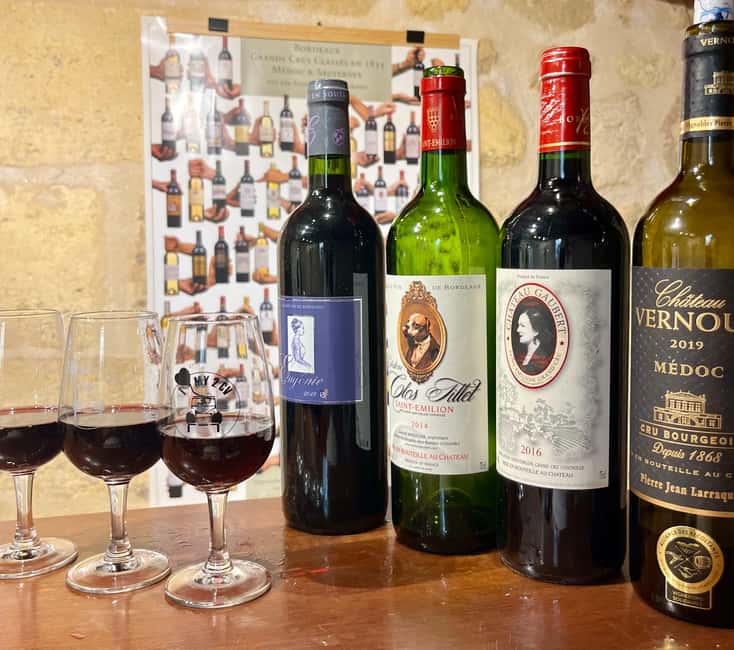
This is not just sip-and-smile. The pacing is designed so you learn as you go. Over the hour, you taste four Bordeaux red wines that each represent a different face of the region. You also get one mystery glass, which is a smart trick. It forces you to use your senses instead of relying on what you think you know.
The guide (often Cécilia or Mathilde) walks you through what each wine is showing: grape variety, blend choices, terroir clues, and vinification style. You’ll also encounter one mature wine—a great reality check if you’ve only tasted Bordeaux as a young bottle. It helps you understand why people talk about Bordeaux aging potential, not as a marketing line, but as something you can actually taste.
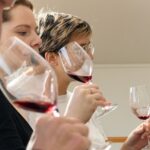
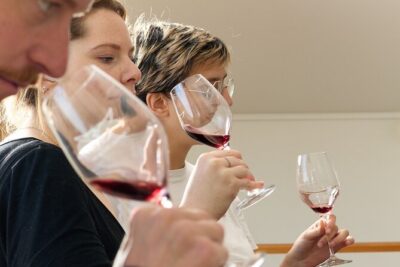
One useful detail: the class includes an aroma game. This is where you train your brain to separate smell categories (fruit, spice, floral notes, wood tones) so your descriptions become more consistent. If you’ve ever said it tastes fruity and then felt stuck, this kind of exercise gives you better words.
And yes, tasting happens with a guide at the front, but the tone stays conversational. Several people highlight that it doesn’t feel like a lecture. If you like learning best through discussion, that’s a strong match for you.
Left Bank vs Right Bank made practical (not snooty)
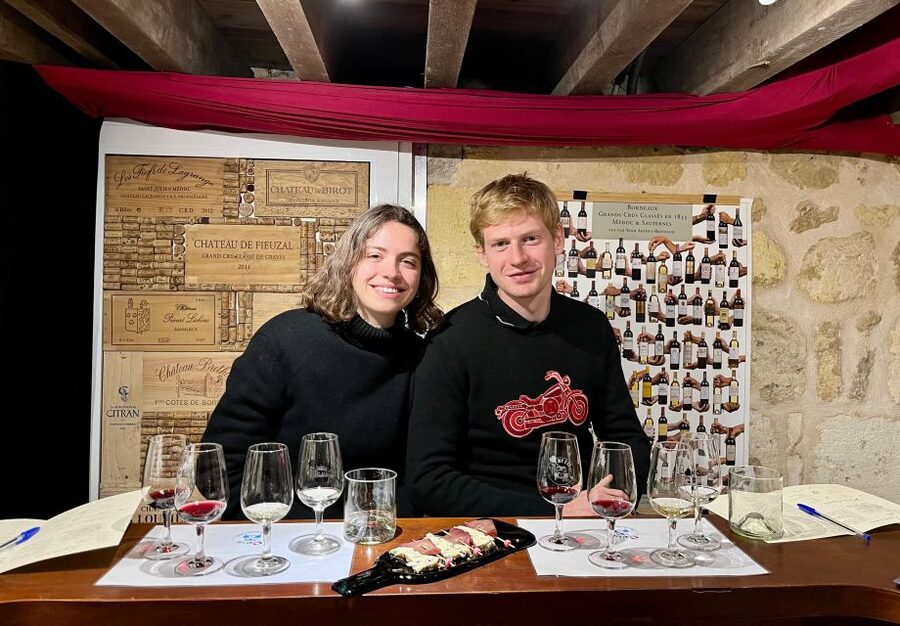
Bordeaux has two major personalities people love to debate: Left Bank and Right Bank. In this tasting, you learn the differences in a way that’s easy to remember because you taste them side by side.
On the Left Bank, the focus is often on Cabernet Sauvignon-leaning structure—think wines that come across as more structured and age-worthy, with grip and backbone. On the Right Bank, you’ll see Merlot-forward wines that tend to feel smoother, fruit-forward, and approachable earlier.
What’s smart here is the way the guide ties the glass back to decisions made in the winery. You’re not stuck with a textbook. You get the cause-and-effect logic:
- grape variety shapes aroma and texture
- blending choices change balance
- terroir influences style cues
- vinification affects how it drinks now vs later
If you’ve done a Bordeaux day tour that stops at tasting rooms with too little context, this workshop helps you connect the dots. It’s also helpful even if you’re a beginner. The format is approachable while still giving you the real language of wine.
Learn the blend, more tasting classes

The aroma game: learning to describe what you actually smell
Smell is where wine literacy starts. Taste comes next. This class takes that seriously with an aroma game that turns aromas into something you can identify and compare.
The beauty of training your nose is that it builds confidence fast. You start noticing patterns: how one wine’s fruit leans more red vs dark, how spice shows up differently, how wood or fermentation tones sit in the background. Then when the guide asks you what you sense, you’re not guessing from a random vocab list. You’re drawing from your own observations.
This also makes the tasting easier to reproduce on your own later. After one workshop, you’re more likely to pick up a bottle and know what to look for:
- the first impression you get in aroma
- the middle layer where fruit and spice show up
- the finish where bitterness, acidity, and tannins register
If you’re planning a wider Bordeaux visit—Médoc, Saint-Émilion, Graves, anywhere—this kind of training helps you avoid the trap of buying solely based on reputation. You’ll be better at buying based on style.
Charcuterie pairing that teaches by contrast
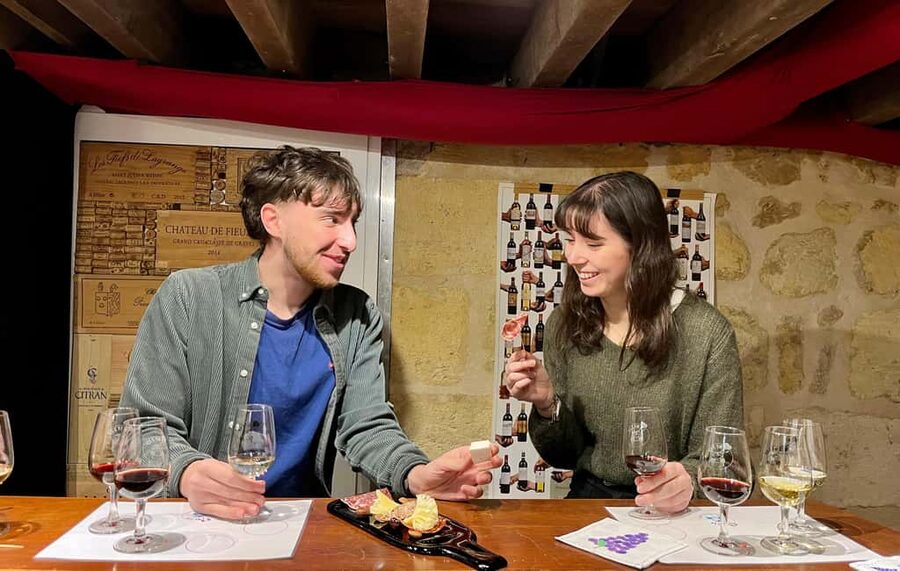
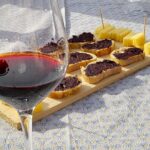
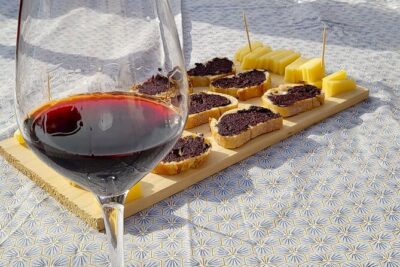
Wine tasting gets real when food enters the picture. Here, each wine is paired with artisanal charcuterie chosen to complement it. That’s not just a snack upgrade. Pairing is a lesson in how your palate shifts.
Charcuterie also gives you multiple flavor handles at once: salt, fat, cured meat savoriness, and sometimes pepper or herbs. Those traits interact with wine in ways you can notice quickly. A structured red might feel tighter on its own, then round out once the fatty notes hit. A fruit-forward wine might read more vivid with the salty bite.
This is where the workshop’s pairing focus becomes practical for you. You can use the same idea when you eat in Bordeaux later:
- expect salt and fat to soften harsh edges
- use savory bites to reveal fruit
- look for how acidity pulls you forward
If you’re the kind of person who plans meals around wine, this workshop helps you do it with more intention, not just hope.
The take-home booklet you’ll actually use
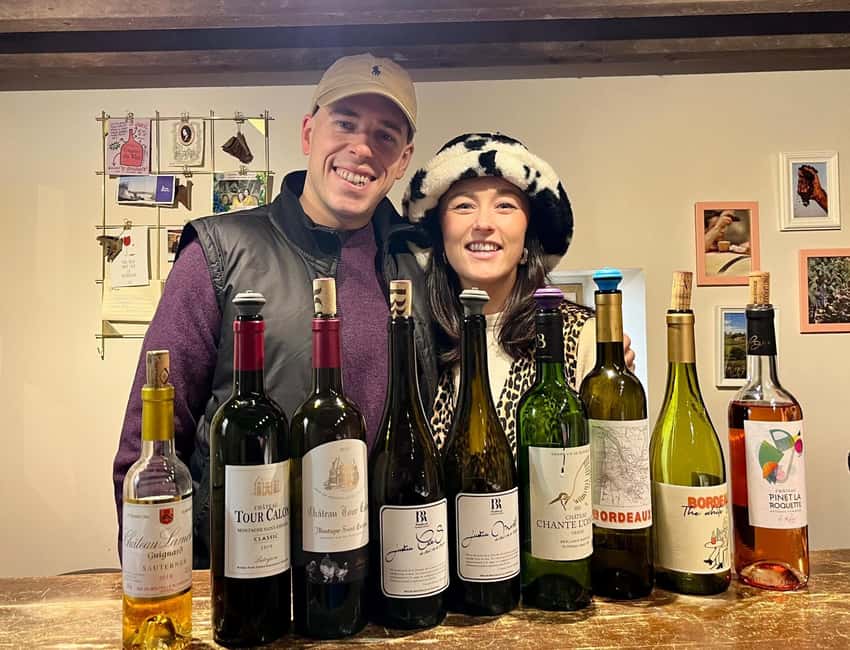
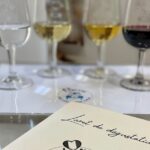
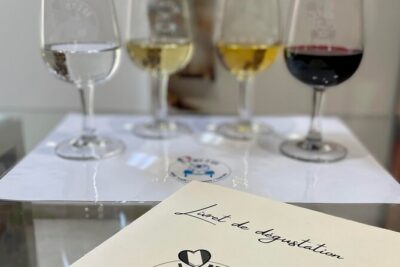
You won’t leave with a stack of trivia. You get a personal tasting booklet that supports what you practiced in the hour. That’s important because wine memory fades quickly after you go home, especially if you’ve tasted multiple bottles on vacation.
The booklet is designed to help you keep the lesson straight: which grape types and blend choices you tasted, what Left Bank vs Right Bank styles felt like in the glass, and how the tasting method worked. It also becomes a handy reference if you want to talk to a wine shop staff member later and not sound like you’re pretending.
And since wines tasted are available for purchase on site, the booklet can act like your buying filter. You can reference what you liked while the experience is still fresh.
Where you’ll meet and what to expect inside
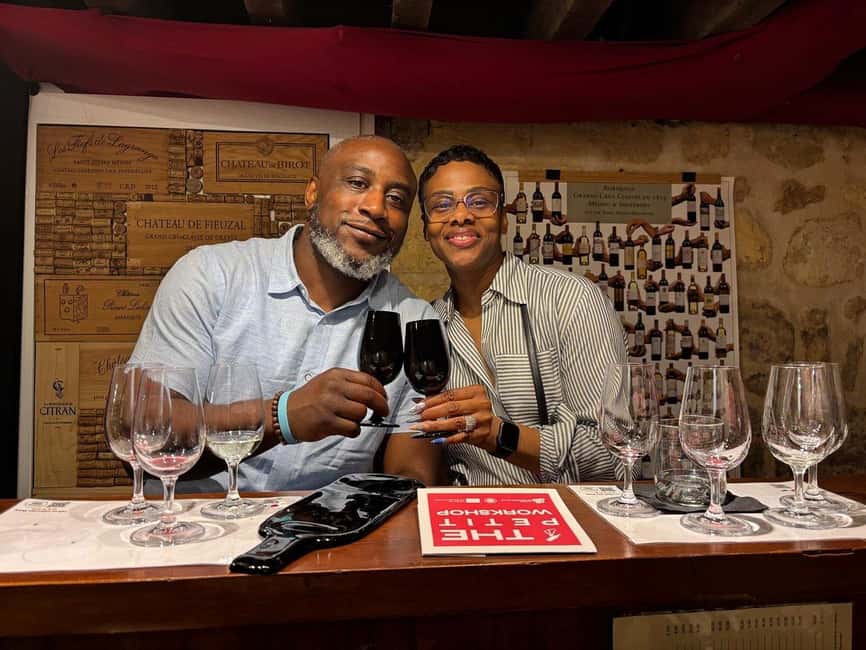
The meeting point is clear, but the room setup is slightly sneaky. You’re at 25 avenue Thiers, near the tram A stop Stalingrad, but the tasting room is hidden behind a building. You look for a grey door next to the Guy Hoquet sign, and the bell reads I ♥️ TASTING.
That detail matters because you don’t want your first five minutes in Bordeaux to be a small-scale search mission. Give yourself a couple extra minutes so you can arrive relaxed.
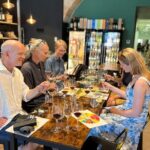
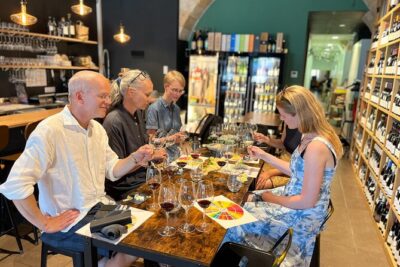
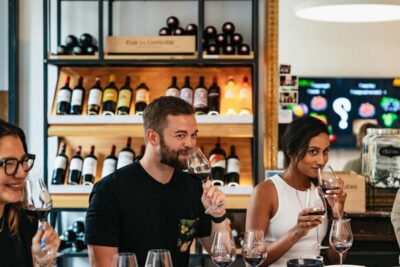
Once you’re in, you’re not packed in. The group is limited to 6 participants, which keeps the tasting intimate. You’ll get enough attention for questions and enough time for the aroma game without feeling rushed. In seasonal settings (stone room, courtyard, or underground cellar), the ambiance changes—but the structure stays the same.
Price and value: why $46 works for what you get
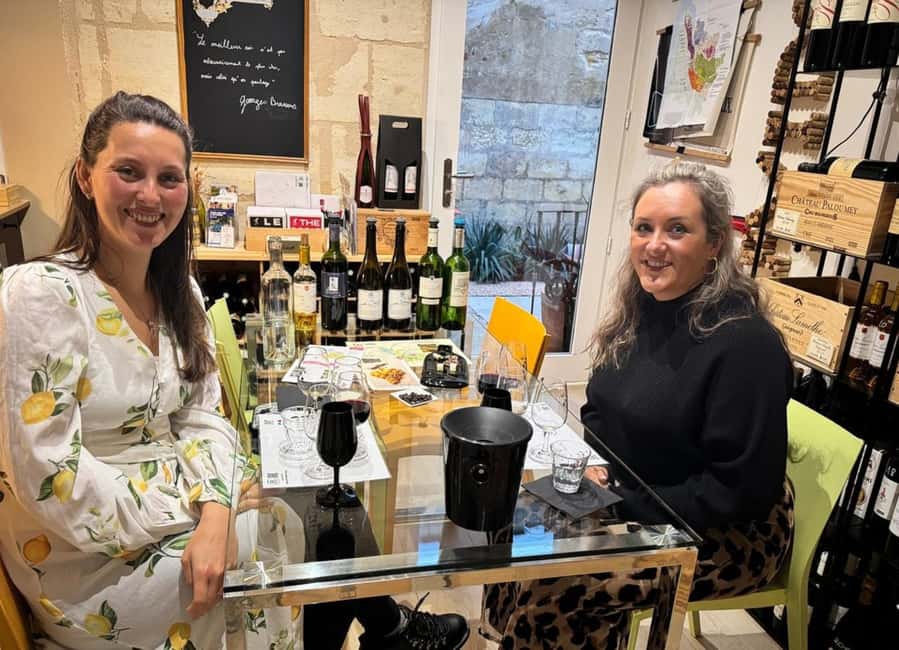
At $46 per person for one hour, the price feels fair because you’re paying for more than the wine. You’re paying for guided comparison—four reds, one mystery pour, and pairing with charcuterie—plus a method you can reuse.
If you’ve ever bought a bottle after a casual tasting and realized you couldn’t explain why you liked it, you’ll understand the value here. The workshop helps you build a wine “workflow” in a short time:
1) smell first
2) taste for structure and texture
3) compare to learn
4) use food pairing as a lens
5) take notes you can revisit
Also, guides are trained through Université du Vin, and the language support includes English, French, and Spanish. That’s a real quality marker when you’re learning.
For a budget plan, this is the kind of activity that fits well between other Bordeaux highlights without draining your day.
Who this workshop fits best (and who might want alternatives)
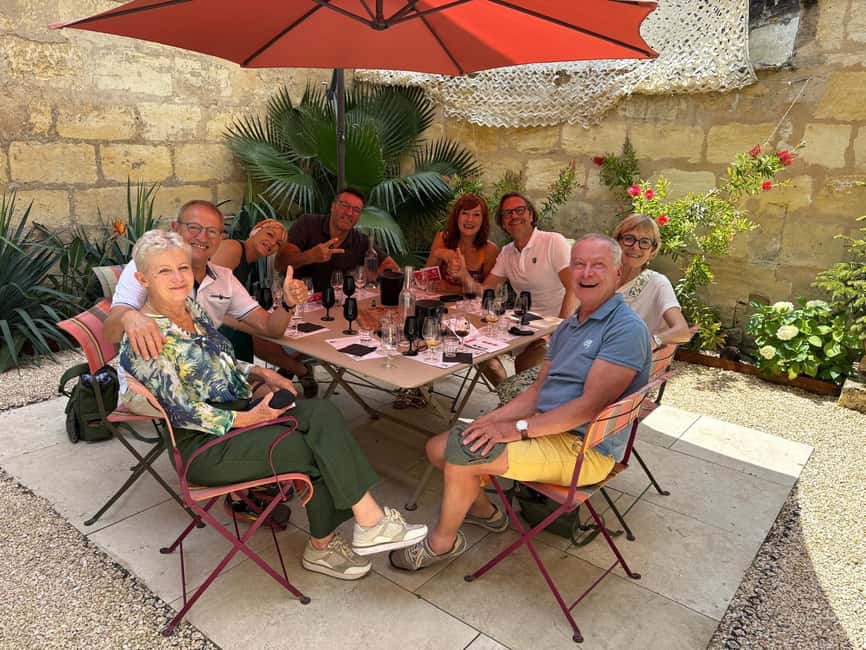
This workshop is a good match if you want a fast, clear start to understanding Bordeaux red wines. It’s also ideal if you like interactive learning—games, guided tasting, and conversation beat long lectures.
You should consider another option if:
- you have mobility limitations (it isn’t suitable for mobility impairments)
- you need a more detailed, multi-hour tasting itinerary (this is intentionally one hour)
One nice flexibility point: if you’re traveling with people who prefer whites, you can request accommodation, and there’s also a white Bordeaux tasting option available if you let the organizers know in advance.
Should you book this Bordeaux wine workshop?
Yes, if your goal is to leave Bordeaux with real tasting skills, not just a buzz and a souvenir bottle. The strongest reasons to book are the format (small group, one hour), the learning tools (aroma game, tasting method, take-home booklet), and the smart pairing (charcuterie that makes the wines easier to read).
If you’re already a serious Bordeaux nerd, you might want a longer, more specialized tour later. But as an orientation course that teaches you how to taste confidently in the region, this is a solid use of time—and it helps you enjoy your next bottle with actual reasons behind your preferences.
FAQ
How long is the Bordeaux wine tasting workshop?
It lasts 1 hour.
How many people are in the group?
The group is small, limited to 6 participants.
What languages are offered?
The live guide offers English, French, or Spanish.
What do I get during the class?
You get a wine tasting class with your own tasting booklet, an aroma game, 4 Bordeaux red wine glasses, and wine and charcuterie pairing.
Where is the meeting point?
The meeting point is 25 avenue Thiers, 33100 Bordeaux, about 100 meters from tram A stop Stalingrad.
Is hotel pickup included?
No. Hotel pickup and drop-off are not included.
Can the experience accommodate someone who prefers white wine?
Yes. If you’re with people who prefer white wines, you can request accommodation, and a white Bordeaux wine tasting is available if you notify in advance.
Is it suitable for people with mobility impairments?
No. It is not suitable for people with mobility impairments.
More Tour Reviews in Bordeaux

Learn the Bordeaux Blend
A Board and a Glass to Match
Just Added: Fresh Bordeaux Reviews

Bordeaux Wine & Cheese Tastings, compared.
 ★ 5.0Saint-Emilion Afternoon Wine Tour – 2 Wineries & delicaciesFrom $119614 reviews
 ★ 5.0Professional – Bordeaux Wine and Cheese Tasting with a walking tourFrom $78218 reviews
 ★ 5.0Tasting of 6 Bordeaux wines and pairing charcuterie & cheeseFrom $54199 reviews
 ★ 4.9Wine Masterclass with Cheese and Charcuterie BoardFrom $53184 reviews
 ★ 5.0Introduction to Bordeaux wines paired with cheeses & charcuterieFrom $35175 reviews
 ★ 5.0Bordeaux Wines Masterclass paired with cheeses & charcuterieFrom $54110 reviews
 ★ 4.5Medoc Afternoon Wine Tour – 2 Wineries, tastings & delicaciesFrom $11974 reviews
 ★ 5.0Bordeaux Afternoon Food Tour : Sweets, Wine and CheeseFrom $6338 reviews
Browse the lists this tour appears in