Reviewed · BORDEAUX WINE & CHEESE TASTINGS
Bordeaux: Wine Masterclass with Cheese and Charcuterie Board
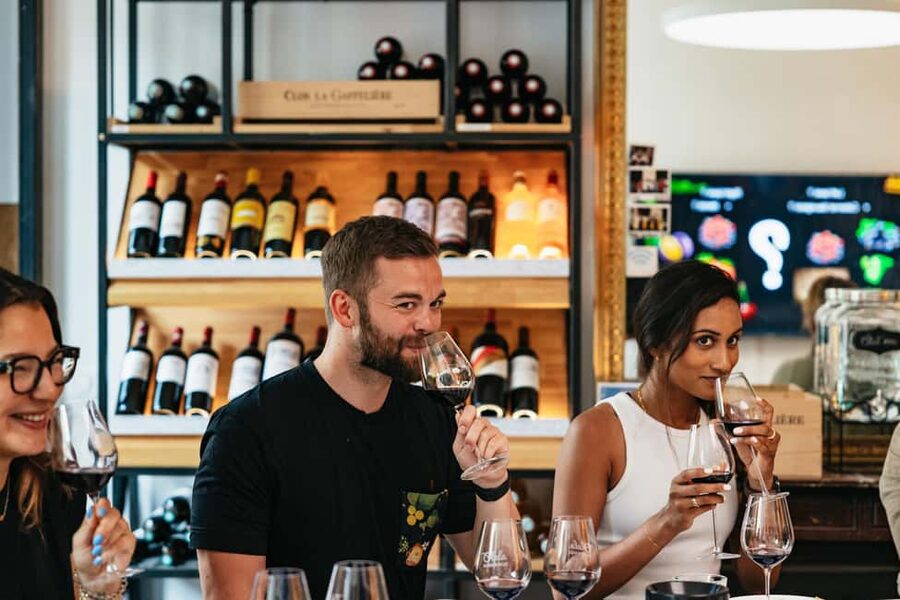
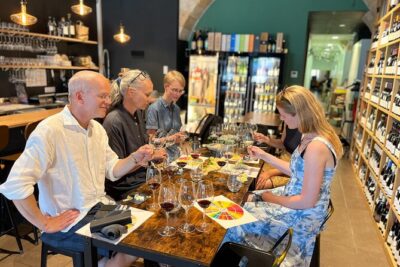
Six pours. One sharp lesson. In Bordeaux, this 90-minute wine masterclass mixes a teacher-led tasting method with local food at Olala Bordeaux, just a short walk from the Quinconces tram stop and close to the Grand Théâtre area. You start with a white wine to wake up your senses, then work through Bordeaux reds by grape style and region.
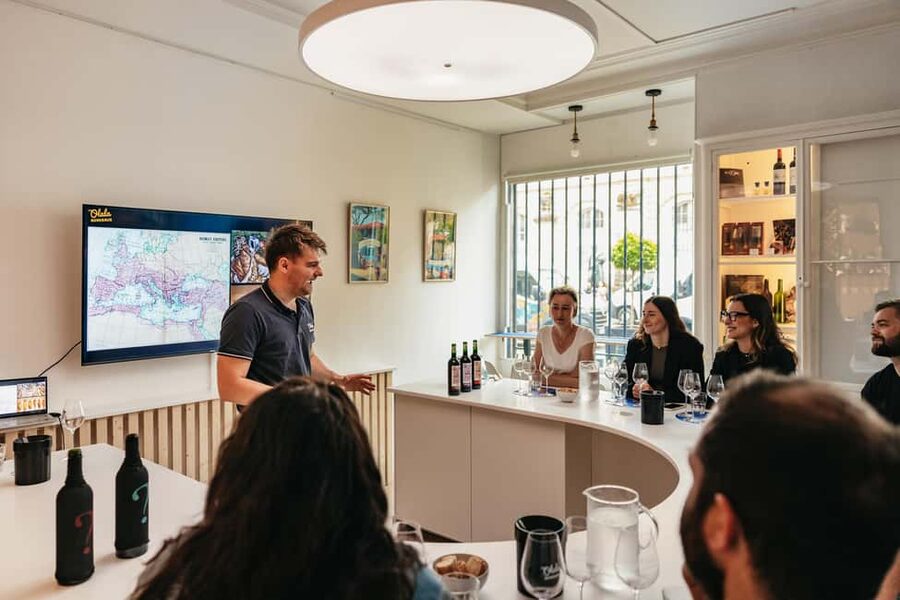
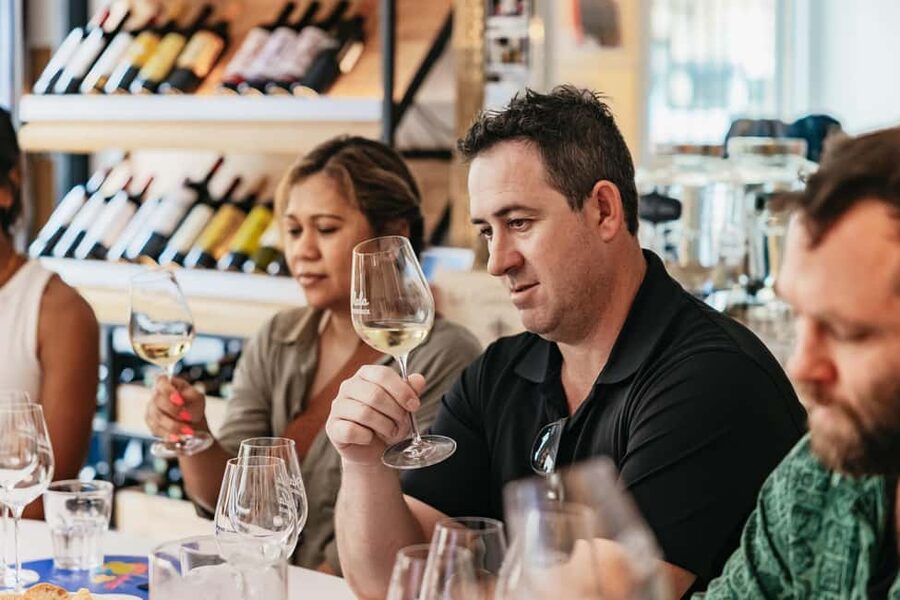
Two things I really like: first, the way the guide trains your eyes, nose, and palate with a repeatable tasting process (many sessions include an aroma sample style tool, which makes practice easier). Second, the structure pays attention to what matters in Bordeaux—especially the Left Bank vs Right Bank split—so your tasting isn’t random sips. In many classes, instructors such as Antoine, Hugo, Enzo, Xavier, and Anna are cited for being funny, patient, and genuinely invested in getting the room involved.
One possible drawback: this experience isn’t built for kids (children under 16 aren’t allowed), and there are no pets. If you’re traveling with a youngster or a dog, you’ll need a different plan—and if you want a slow, quiet, stand-and-stare wine bar vibe, the class format may feel too structured.
In This Review
- Key highlights you should know
- Why This 90-Minute Bordeaux Wine Masterclass Feels Worth It
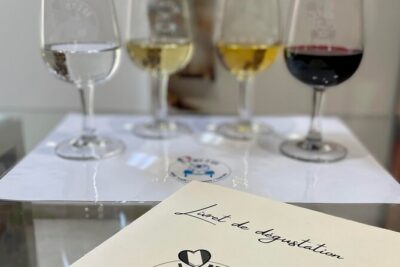
- Your White Wine Start: The Senses Warm-Up
- Three Single-Grape Reds: How Bordeaux Thinks in Building Blocks
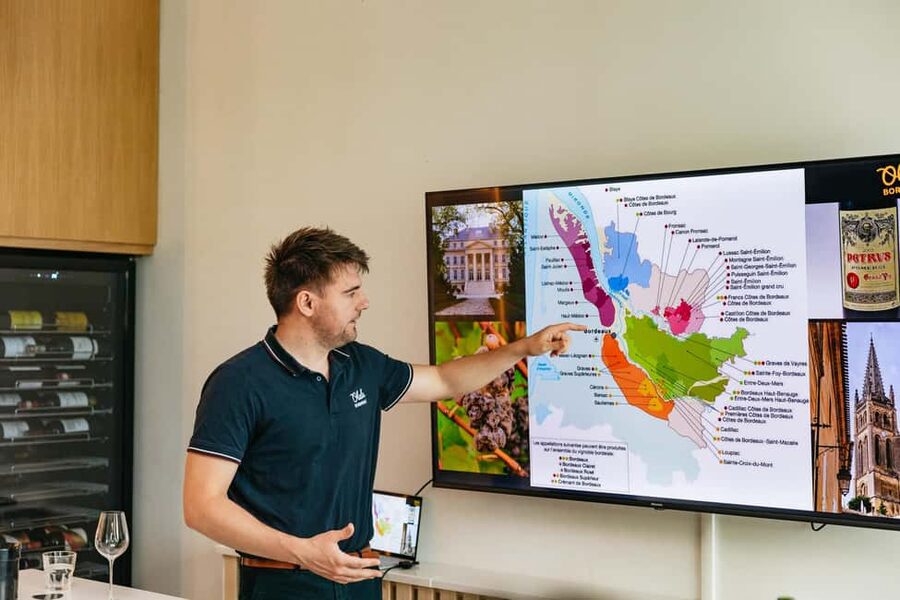
- Left Bank vs Right Bank: The Moment You’ll Remember
- Cheese and Charcuterie Pairings That Teach You How to Eat, Not Just Drink
- The Terms Bordeaux Uses: Terroir, Appellation, Vinification, Aging
- Where It Happens: Olala Bordeaux and Easy Tram Access
- Who This Bordeaux Wine Masterclass Is Best For
- Practical Tips to Get More From Every Glass
- Should You Book This Bordeaux Wine Masterclass?
- FAQ
- How long is the Bordeaux wine masterclass?
- Where is the meeting point?
- What wines and food are included?
- What languages are available?
- Is it suitable for children?
- Is it pet-friendly?
- Can I cancel or pay later?
Key highlights you should know
- A step-by-step tasting method that helps you smell and taste with purpose, not guesswork
- Six total wines (1 white, 5 reds) covering common Bordeaux red-grape traits
- Left Bank and Right Bank contrast, including a grand cru style wine
- Cheese and charcuterie board paired to teach flavor matching basics
- Small-group feel in a setup designed for focused tastings, not a crowded bar rush
Another board of cheese, a glass to match
- Saint-Emilion Afternoon Wine Tour – 2 Wineries & delicacies★ 5.0 · 614 reviews
- Professional – Bordeaux Wine and Cheese Tasting with a walking tour★ 5.0 · 218 reviews
- Tasting of 6 Bordeaux wines and pairing charcuterie & cheese★ 5.0 · 199 reviews
- Bordeaux: Wine Masterclass with Cheese and Charcuterie Board★ 4.9 · 184 reviews
Why This 90-Minute Bordeaux Wine Masterclass Feels Worth It
Bordeaux has a reputation for big names, big bottles, and big opinions. This class keeps things practical. You get a guided workshop with enough time to learn a method, taste multiple wines, and pair them with local cheese and charcuterie—all without committing a whole day to wine country.
The price point—$53 per person—makes more sense when you look at what’s included: your guide, 6 wines (1 white + 5 reds), water, baguette, cheese/charcuterie, and informative brochures. You’re not only paying for alcohol; you’re paying for structured coaching and a food pairing lesson you can use later in a restaurant.
Also, the review pattern is consistent: people show up as beginners and leave with clearer tasting instincts. Guides like Antoine, Hugo, Enzo, Xavier, Vincent, Noe, and Anna come up repeatedly in the feedback, and the vibe is often described as relaxed and fun, not stuffy.
Your White Wine Start: The Senses Warm-Up
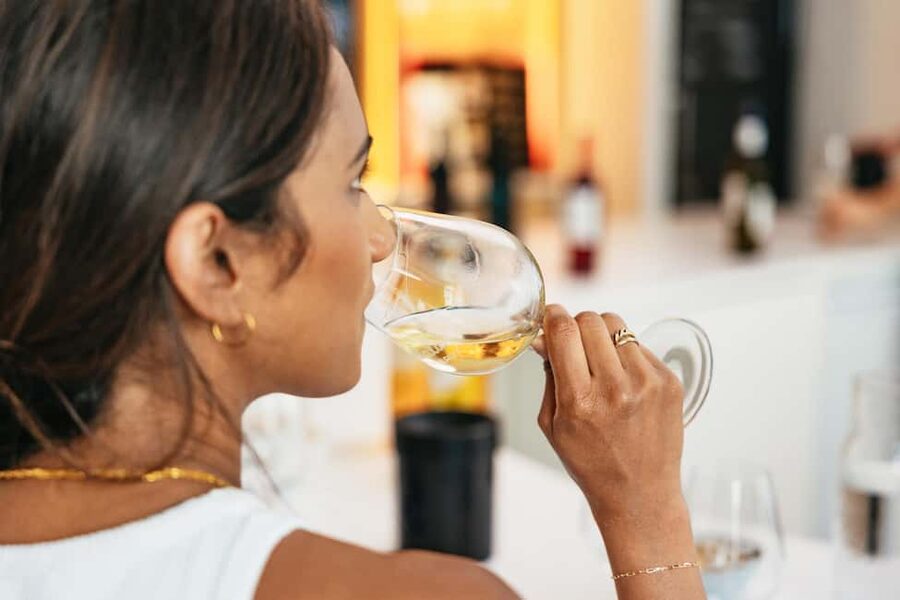
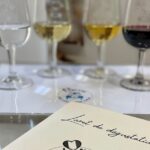
The class begins with a first glass of white wine. That’s not a random choice. Starting with white makes the aroma and acidity easier to read before you hit the heavier red lineup. It also sets you up for the tasting skills you’ll use again and again.
Here’s what the guide typically does in this phase:
- You look first, then smell, then taste—using the same order each time
- You learn what to look for in terms of intensity and balance
- You practice identifying basic sensations (like acidity and aroma categories) before moving on
One small detail that’s mentioned in the feedback: an aroma sample approach. Even if you’ve never done wine tasting before, having scent markers makes it easier to connect what you smell with what wine labels try to describe. The goal is simple: after the white, you should feel more in control of the tasting process.
Three Single-Grape Reds: How Bordeaux Thinks in Building Blocks
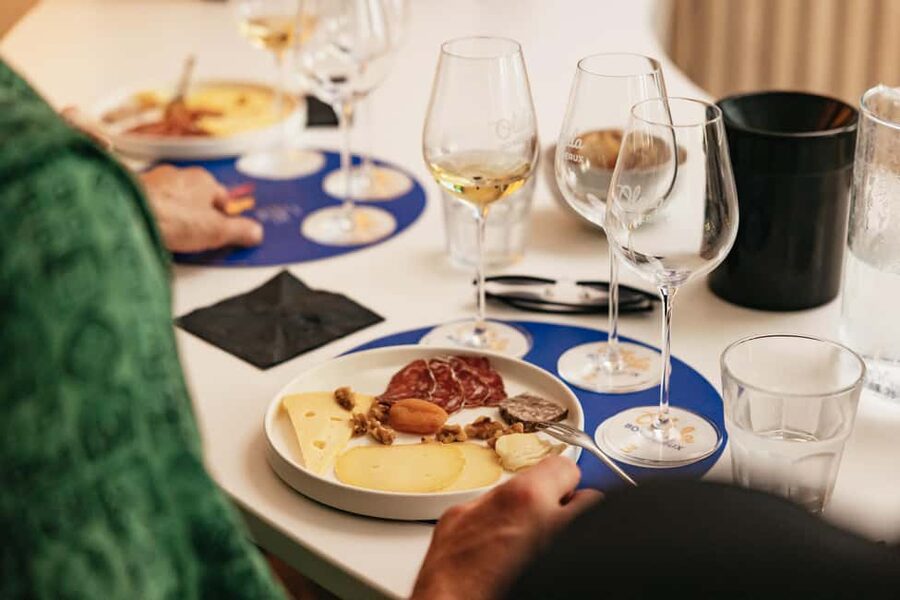
After the white, you move to three glasses of regional single-grape red wines. Bordeaux is famous for blends, but the class helps you understand the “ingredients” first. That way, when you taste a finished style wine later, you’re not starting from zero.
You’ll also learn how blending shows up in Bordeaux culture. The class frames it as technique: winemakers combine grape characteristics to create balance—fruit, structure, tannin, and aging potential. When you taste single grapes first, you start to recognize how each variety contributes.
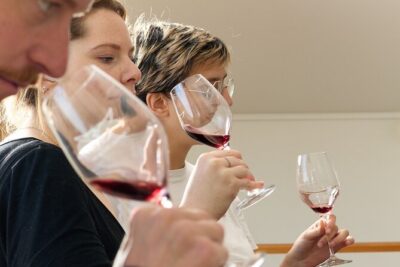
This part of the masterclass is especially useful if you’ve ever felt stuck with language like fruity, earthy, or oaky. The instructor’s job here is to translate those vague words into something you can actually detect. Expect to be guided toward sensory cues—what you notice on the palate, how the tannins feel, and what lingers after swallowing.
Learn the blend, more tasting classes

Left Bank vs Right Bank: The Moment You’ll Remember
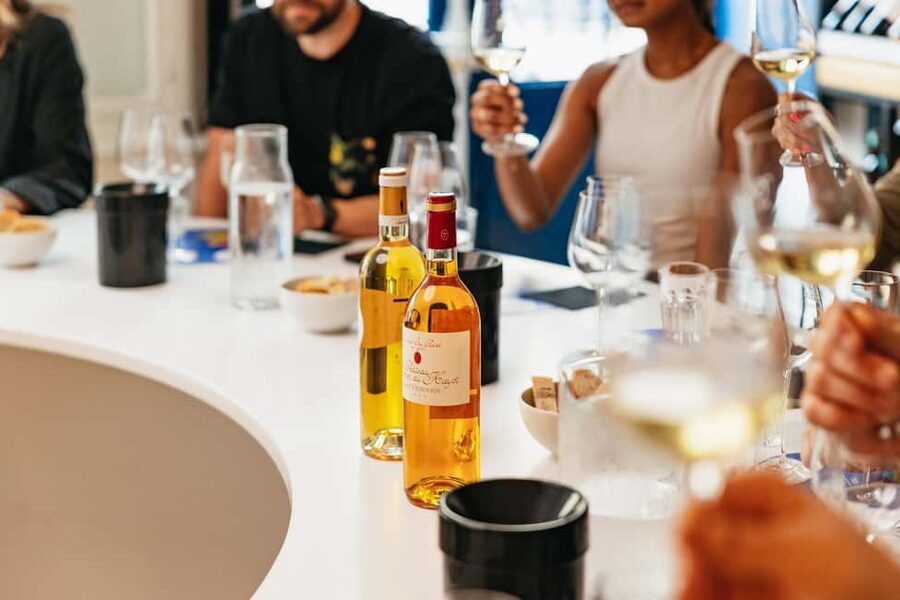
Then comes the most memorable comparison: two fine wines, one from the left bank and one from the right bank, with one of them described as a Bordeaux grand cru style wine.
This is where people often go from learning terms to actually understanding them. The left/right split isn’t just geography—it’s a way of organizing wine expectations. Your class setup makes the contrast clearer by having you taste and discuss both in a tight window.
Practically, this section helps you answer questions you’ll face in shops and restaurants:
- When you taste a Bordeaux red, what does the region tend to emphasize?
- How do tannins and structure shift between the two bank styles?
- Can you identify when a wine feels built for longer aging vs earlier drinking?
One reviewer specifically calls out that the blind tasting component can pop up—so you might get a chance to apply what you learned quickly. Either way, the format is designed to make the left/right lesson stick.
Cheese and Charcuterie Pairings That Teach You How to Eat, Not Just Drink
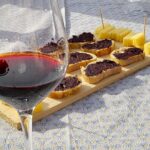
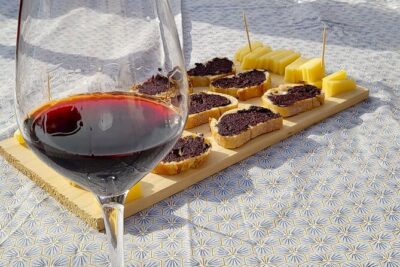
Between sips, you’re offered a cheese and charcuterie board plus baguette and water. This isn’t filler food. In wine training, cheese and cold cuts act like a flavor test kit. They show you how salt, fat, and protein change your perception of acidity and tannin.
If you’re the type who wants a simple rule: pairings teach you what your palate is reacting to. For example, fat can soften tannin sensation, while salty cured meats can make acidity feel sharper. Guides will often connect these points back to basic pairing logic, so you learn the “why,” not only the “what.”
One kind of cheese pairing mentioned in the feedback: a cow’s cheese favorite for many participants. That’s a good sign if you’re worried about the board being too formal or too weird. The food is local and approachable—exactly what you want in a city-based class.
And if you plan to eat out later in Bordeaux, this part gives you a head start. You’ll know what to ask for on a menu and what to try together, rather than ordering wine and food as separate events.
The Terms Bordeaux Uses: Terroir, Appellation, Vinification, Aging
During the workshop, the guide explains key wine concepts in plain language. You’ll hear familiar terms, but the practical value is how the class connects them to what you taste.
Expect explanations along these lines:
- Terroir (why location and conditions matter)
- Grape varieties (how variety flavors show up on the palate)
- Appellation and classification (how Bordeaux systems organize wines)
- Vinification / winemaking (what happens after the grapes, before the bottle)
- Aging and storage (why time and handling affect taste and feel)
- The art of wine service (basic handling ideas that keep wine tasting correct)
This matters because tasting is easier when you understand the road map. If you’re a beginner, you don’t want a lecture that stays locked in the vocabulary. If you’re more experienced, you still benefit from having your mental model tightened—especially around Bordeaux’s classification and how it shows up in real bottles.
And yes, the schedule can vary and the exact wines may change. The upside is that the teaching structure stays the same.
Where It Happens: Olala Bordeaux and Easy Tram Access
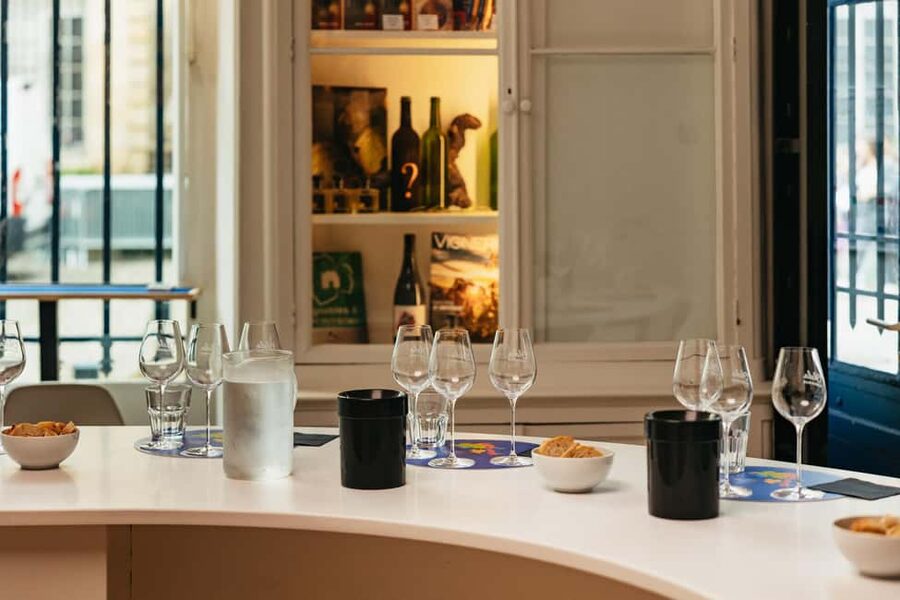
Meet your guide at Olala Bordeaux. The meeting point is about a five-minute walk from the Quinconces tram stop, and the trams you can use are lines B, C, or D.
This location is a big practical win. You can do the class without planning a car day or wine-country transfers. It also means you can tack it onto a normal Bordeaux itinerary—think morning or early afternoon, then dinner nearby.
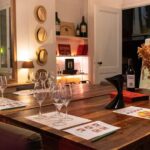
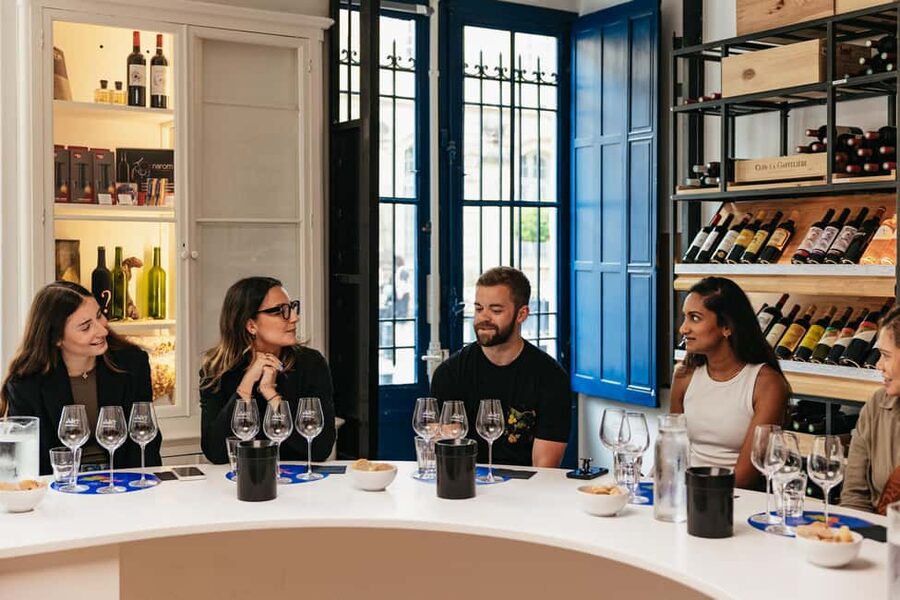
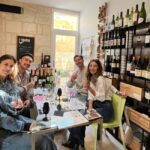
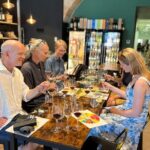
The space is described as well set up for tastings—small and cozy enough that you’re not squeezed into a noisy crowd. That helps. Wine tasting is hard work for your senses; you want calm enough to concentrate.
Who This Bordeaux Wine Masterclass Is Best For
This class is built for people who want to understand Bordeaux without pretending they already speak fluent wine. Reviews repeatedly highlight that it works for beginners while still feeling rewarding for intermediate tasters. If you want to go from guessing to identifying, this style of practice pays off fast.
It also suits you if you like learning through doing:
- You taste, then you get the method behind what you tasted
- You compare regions, then you apply the lesson right away
- You pair with food, then you connect flavor behavior to technique
Two clear limits:
- Not suitable for children under 16
- No pets allowed
If either of those affects your group, you’ll need an alternative format.
Practical Tips to Get More From Every Glass
A few things will make your experience smoother:
- Come ready to focus for 90 minutes. This is instruction plus tasting, not a casual drop-in bar session.
- Pace yourself. You’ll have multiple pours, and your best tasting comes when you slow down enough to notice differences.
- Ask questions during the food portion too. Cheese and charcuterie are often where the lessons make the biggest jump from theory to real taste.
- If you’re planning more wine activities later (like a vineyard day), this masterclass gives you a head start. Several participants say it made future tours easier to understand.
Also, instructors often share restaurant or wine-shop guidance after class in the conversational flow. You might leave with ideas for where to keep tasting in town.
Should You Book This Bordeaux Wine Masterclass?
If you want Bordeaux in a single sitting—reds from different angles, plus a guided tasting method and local food—this is a strong pick. The best case for booking is simple: you want structure. You want to learn how to taste, not just consume.
I’d especially recommend it if:
- you’re new to Bordeaux wine and want a fast way to build a foundation
- you like hands-on learning with food pairing
- you want a city-based experience that doesn’t eat your whole day
Skip it if:
- you’re traveling with kids under 16 or need a pet-friendly activity
- you hate guided formats and prefer unguided wandering
For most adults in Bordeaux, this masterclass is great value because it bundles wine education with real local snacks, taught in a way that helps you remember what you tasted.
FAQ
How long is the Bordeaux wine masterclass?
It lasts 90 minutes.
Where is the meeting point?
Meet your guide at Olala Bordeaux, about a five-minute walk from the Quinconces tram stop.
What wines and food are included?
You’ll have 1 white wine and 5 red wines, plus a cheese and charcuterie board, baguette, water, and informative brochures.
What languages are available?
The class is offered in English and French.
Is it suitable for children?
No. Children under 16 are not allowed.
Is it pet-friendly?
No. Pets are not allowed.
Can I cancel or pay later?
You can reserve now and pay later, and you can cancel up to 24 hours in advance for a full refund.
More Tour Reviews in Bordeaux

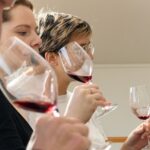
Learn the Bordeaux Blend
A Board and a Glass to Match
Just Added: Fresh Bordeaux Reviews

Bordeaux Wine & Cheese Tastings, compared.
 ★ 5.0Saint-Emilion Afternoon Wine Tour – 2 Wineries & delicaciesFrom $119614 reviews
 ★ 5.0Professional – Bordeaux Wine and Cheese Tasting with a walking tourFrom $78218 reviews
 ★ 5.0Tasting of 6 Bordeaux wines and pairing charcuterie & cheeseFrom $54199 reviews
 ★ 5.0Introduction to Bordeaux wines paired with cheeses & charcuterieFrom $35175 reviews
 ★ 5.0Bordeaux Wines Masterclass paired with cheeses & charcuterieFrom $54110 reviews
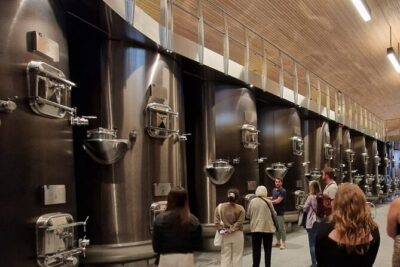 ★ 4.5Medoc Afternoon Wine Tour – 2 Wineries, tastings & delicaciesFrom $11974 reviews
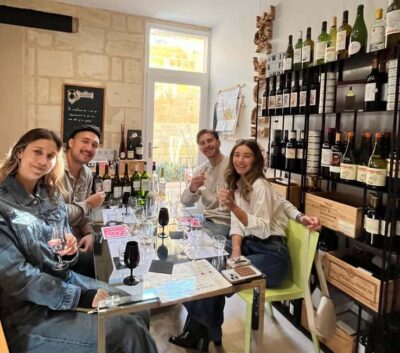 ★ 5.0Workshop Bordeaux wine tasting: 4 reds & charcuterie pairingFrom $4672 reviews
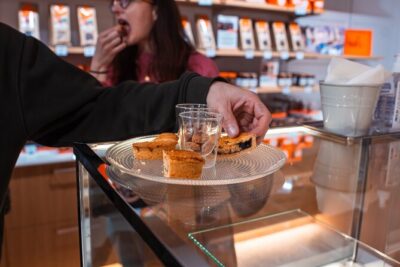 ★ 5.0Bordeaux Afternoon Food Tour : Sweets, Wine and CheeseFrom $6338 reviews
Browse the lists this tour appears in