Reviewed · WINE TASTING CLASSES & MASTERCLASSES
Bordeaux Wine Masterclass: Blending workshop with appetizer
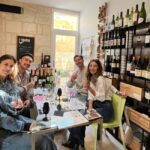
Wine lessons beat Bordeaux wandering. This small-group Bordeaux masterclass trains your nose and palate, then has you blend Merlot and Cabernet Sauvignon while you sample French wines and local snacks.
Two things I really like: you get a structured lesson on French wine basics (think terroir, appellation, and how to read a label), and you finish by mixing your own Bordeaux-style blend. One thing to keep in mind: the food is snack-sized (cheese, cured meats, fresh bread, and some chocolate), so plan this as a tasting experience, not a full lunch.
The guides are a big part of why this works. You might get hosts like Gabriel or Victoire, and the group stays small enough that questions actually get answered. You’ll also leave with a diploma, which sounds formal but feels fun when you’re walking out with a new skill.
In This Review
- Quick take: what makes this masterclass worth your time
- Bordeaux blending workshop: what you’re really paying for
- Timing and meeting point: showing up at the right moment
- Inside the lesson: French wine regions and the terms that matter
- Tasting skills you’ll actually use: aromas, flavor, and description
- The wine lineup: seven wines, sometimes up to eight
- Appetizers and pairing: what to expect on the snack platter
- The highlight: building your own Bordeaux blend (Merlot + Cabernet)
- Small-group energy and professional guidance (English-speaking class)
- Where this fits best: who should book it
- What I’d do to get the most out of it
- Should you book the Bordeaux Wine Masterclass?
- FAQ
- How long is the Bordeaux wine blending masterclass?
- What is included in the price?
- What time does the experience start?
- Where do I meet for the workshop?
- Is the workshop offered in English?
- How large is the group?
- Do I need to be 18 or older?
- Can I cancel and get a refund?
- Is hotel pickup provided?
Quick take: what makes this masterclass worth your time
- Blending workshop: create a custom Merlot–Cabernet blend using two Bordeaux varietals
- Learn the language of wine: terms like terroir and appellation, plus label-reading tips
- Regional tasting variety: you sample wines linked to regions such as Burgundy, Côtes du Rhône, Bordeaux, and the Loire Valley
- Guided tasting techniques: you practice how to spot aromas, flavors, and wine color
- Pairing with local bites: cheese and charcuterie alongside fresh bread (with chocolate in the mix)
Learn the blend, more tasting classes
- Bordeaux Super Saver Wine Tasting class and St Emilion region★ 5.0 · 184 reviews
- Bordeaux: Wine Masterclass with Cheese and Charcuterie Board★ 4.9 · 184 reviews
- Bordeaux Wine Masterclass: Blending workshop with appetizer★ 5.0 · 113 reviews
- Bordeaux Wines Masterclass paired with cheeses & charcuterie★ 5.0 · 110 reviews
Bordeaux blending workshop: what you’re really paying for
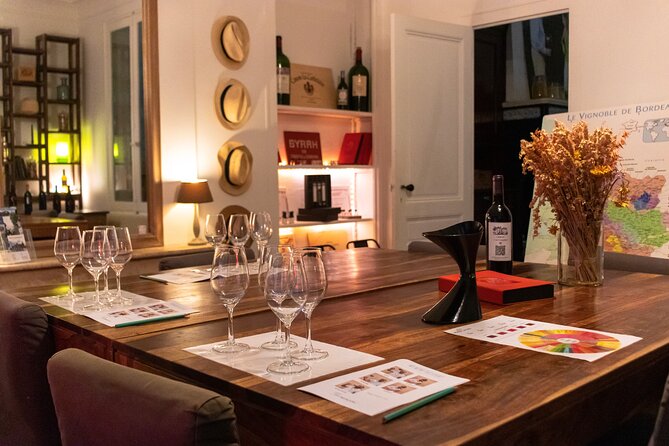
This isn’t a “sit back and watch a pour” wine tour. It’s a hands-on training session that turns wine tasting into something you can repeat later at home. That’s the real value here: you leave with a method, not just memories of what tasted good that day.
The price ($54.42) sounds simple enough, but what you’re actually buying is structure. You get a professional sommelier guide, a guided tasting format, and a blending component that forces you to pay attention. Add in an appetizer platter and multiple wines, and the cost starts to look reasonable for a focused, small-group class in Bordeaux.
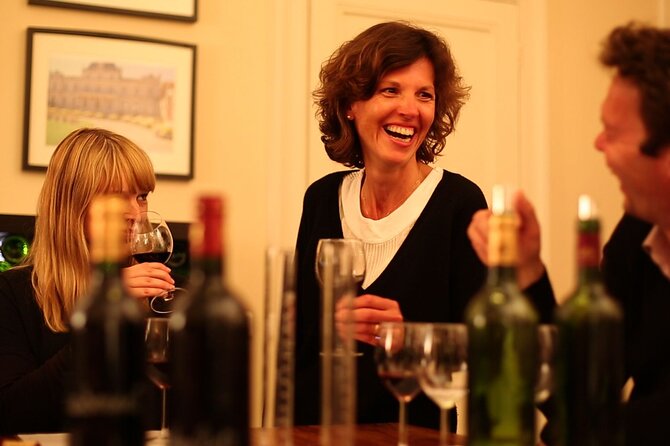
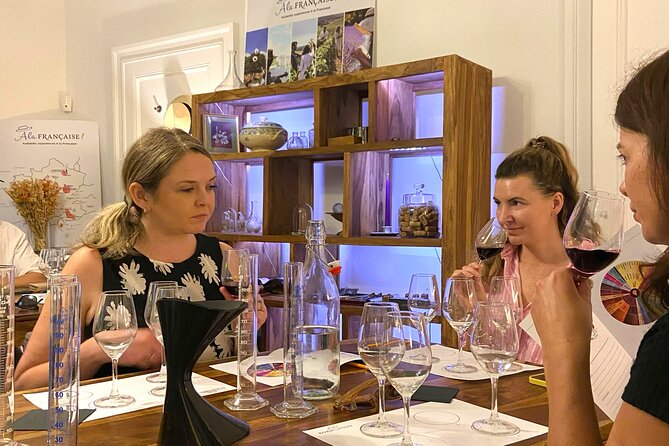
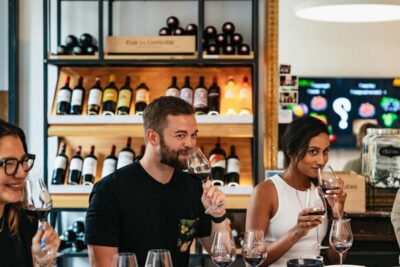
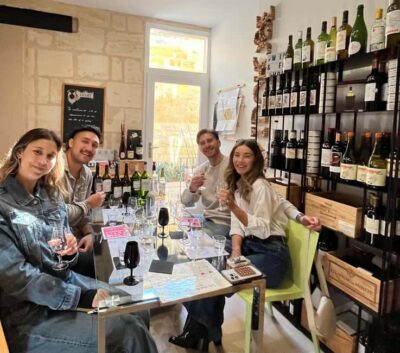
The small group matters too. With a maximum of 12 travelers, the instructor can keep the pace interactive. That makes a difference when you’re learning how to describe aromas or when you want to ask why one bottle feels lighter and another feels heavier.
Timing and meeting point: showing up at the right moment
You start at 10:30 am at 3 Rue d’Enghien, 33000 Bordeaux. The activity ends back at the same meeting point, so you’re not dealing with a long commute or a confusing route home.
Why this timing matters: wine tastings can run long if people are chatting nonstop. Here, the session is about 1 hour 30 minutes (approx.), which keeps it lively and focused. You can still plan the rest of your day for Bordeaux walks, markets, or a later vineyard visit without feeling trapped into a half-day detour.
If you’re the kind of traveler who hates arriving “late and flustered,” aim to be there a few minutes early. With a short class window, you’ll want to be settled before the first pour.
Inside the lesson: French wine regions and the terms that matter
The class begins with an overview of French wine regions, and it’s not just trivia. The goal is to give you a mental map so each tasting has meaning. You’ll also learn practical terminology that shows up on wine labels and menus.
Here are the kinds of ideas you’ll work with:
- Terroir: the mix of climate, soil, and place that shapes the wine
- Appellation: the protected naming system that signals rules and origin
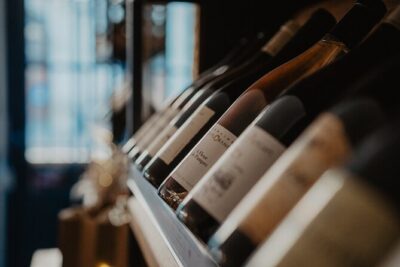
- How to interpret a French wine label so you’re not guessing at the bottle’s story
- How to notice wine color, which often hints at style and age
I like that the teaching is designed for real-world use. Bordeaux has a lot of labels that look similar at first glance, and once you can decode them, shopping and ordering get easier fast.
You’ll also taste across multiple French regions (including Burgundy, Côtes du Rhône, Bordeaux, and the Loire Valley). That variety is useful because it prevents the class from becoming a single-region bubble. You start noticing how the “same” tasting actions can reveal different styles depending on origin.
More Bordeaux labels worth opening

Tasting skills you’ll actually use: aromas, flavor, and description
Most wine tours offer tastings. This one teaches you how to tasting, which is a different game.
During the session, you’ll practice:
- spotting aromas and translating them into words
- understanding flavors and how they relate to the wine’s character
- interpreting what you see in the glass, including wine color
- building a simple way to describe what you like (so your preferences get clearer)
Some guides also bring in fun tasting exercises. In this kind of small-group format, it’s common to use a guided “comparison” method where you try to identify differences before the instructor explains what you’re tasting. That’s the kind of practice that sticks.
If you ever felt like wine tasting was either too technical or too vague, this class lands in the better middle. It’s structured enough to guide you, but it stays relaxed enough that you don’t need a wine encyclopedia background.
The wine lineup: seven wines, sometimes up to eight
The class includes 7 different wines in the materials, and the learning overview mentions sampling eight wines. Either way, you should plan on tasting at least seven bottles, with room for an extra pour or two as part of the flow.
You’re tasting wines that help explain the big ideas of French structure and style. Regions mentioned include:
- Burgundy
- Côtes du Rhône
- Bordeaux
- the Loire Valley
That regional spread is what makes the lesson feel bigger than a Bordeaux-only tasting. You’re learning what to look for, and then you’re using those clues across different styles.
Practical tip: go in with a light plan for the rest of the day. You will taste multiple wines. Even if you don’t drink everything, you’ll still have that “wine day” rhythm. In other words, skip anything that requires a sharp, sober start right after.
Appetizers and pairing: what to expect on the snack platter
This workshop isn’t built like a dinner. It’s built like a guided tasting, supported by bites that don’t overpower the wine.
You’ll get an appetizer platter that typically includes:
- cheese
- cured meats
- fresh bread
- chocolate (listed as part of the platter)
And yes, it’s enough to keep you comfortable during the tastings. But it’s still not a full meal. One of the clearer considerations from the experience style is that the “food” is mostly there to support the tasting, not replace lunch.
If you’re prone to getting hungry mid-day, consider eating something light before you go. A snack platter and a tasting lineup is a good combo, but you don’t want to be thinking about lunch while you’re trying to focus on aroma and flavor.
The highlight: building your own Bordeaux blend (Merlot + Cabernet)
The blending part is where the masterclass becomes memorable. Near the end, you create a custom wine blend using two Bordeaux varietals: Merlot and Cabernet Sauvignon.
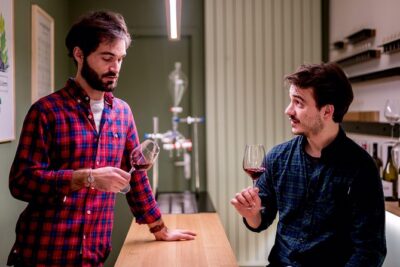
This matters because it turns explanation into experience. Instead of just learning how blending works in theory, you get to feel the impact yourself. When you adjust the mix, you’ll start noticing how the character shifts: what seems smoother, what feels more structured, and what reads differently on the nose.
I also like that the blending step helps you build confidence describing what you like. Your preferences stop being random and become understandable. You can point to what you’re enjoying rather than saying, It just tastes good.
Small-group energy and professional guidance (English-speaking class)
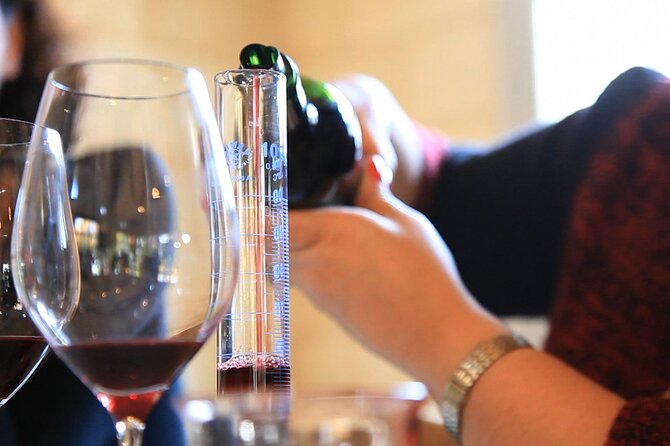
The session is offered in English, and there’s no French language component required. That makes it easier for you to focus on the tasting instead of playing catch-up with vocabulary.
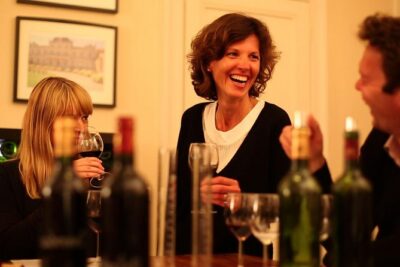
With a group size capped at 12, you also get a better chance for true Q&A. In a bigger tour, questions can feel rushed or off-topic. Here, the pacing supports back-and-forth.
The instructor is there for the full arc: explain the regions, guide the tasting actions, help with the blend process, and answer questions as you go. If you’re the type who likes to understand why, not just what, this setup fits well.
Where this fits best: who should book it
This masterclass is a strong match if:
- you love wine but want clearer structure
- you want to learn terms you’ll see on labels
- you’re planning a vineyard day later and want a head start
- you enjoy hands-on activities more than passive tastings
- you’re traveling with friends and want something that feels social but still guided
It also works for beginners. You don’t need advanced wine vocabulary to participate, because the class is built around teaching you how to taste and how to describe what you notice.
If you’re a serious wine pro searching for a deep technical lab session, you might find the pace less intense than a full technical program. But for most travelers, the “learn + taste + blend” combo is the sweet spot.
What I’d do to get the most out of it
A few small moves can make the class feel twice as useful:
- Come ready to take mental notes. Don’t worry about writing everything down—focus on what you liked and why.
- Taste like a scientist: check aroma first, then flavor, then finish.
- Ask at least one question early. Once you know the rhythm, you’ll understand the rest faster.
- If you’re planning other wine activities that day, don’t schedule anything that requires long driving or stressful navigation right after.
Should you book the Bordeaux Wine Masterclass?
If you want a memorable Bordeaux experience that teaches you something you can carry home, I’d book it. The blending workshop, the regional tasting variety, and the structured approach to wine terminology all add up to value beyond a typical “pretty wines in pretty glasses” stop.
I’d especially choose this if you’re at least curious about wine style and you like interactive learning. But if you expect a heavy meal or a full certification-style sommelier lecture, you may want to set expectations differently and treat it as a focused tasting class with snacks.
FAQ
How long is the Bordeaux wine blending masterclass?
It runs for about 1 hour 30 minutes.
What is included in the price?
You get wine tasting, a professional sommelier guide, an appetizer platter (cheese, meat, chocolate), and tasting of 7 different wines.
What time does the experience start?
It starts at 10:30 am.
Where do I meet for the workshop?
The meeting point is 3 Rue d’Enghien, 33000 Bordeaux, France, and the tour ends back at the same location.
Is the workshop offered in English?
Yes, it is offered in English.
How large is the group?
The maximum group size is 12 travelers.
Do I need to be 18 or older?
Yes. The minimum drinking age is 18 years.
Can I cancel and get a refund?
Yes. You can cancel for a full refund up to 24 hours in advance of the experience start time.
Is hotel pickup provided?
No, hotel pickup and drop-off are not included.
More Bordeaux Wine to Taste
More Tour Reviews in Bordeaux
Learn the Bordeaux Blend
Just Added: Fresh Bordeaux Reviews
Wine Tasting Classes & Masterclasses, compared.
 ★ 5.0Bordeaux Super Saver Wine Tasting class and St Emilion regionFrom $180184 reviews
 ★ 4.9Wine Masterclass with Cheese and Charcuterie BoardFrom $53184 reviews
 ★ 5.0Bordeaux Wines Masterclass paired with cheeses & charcuterieFrom $54110 reviews
 ★ 5.0Make your own cuvée of Bordeaux wineFrom $7178 reviews
 ★ 4.9Guided Bordeaux Wine Tasting Class with 6 WinesFrom $5175 reviews
 ★ 5.0Workshop Bordeaux wine tasting: 4 reds & charcuterie pairingFrom $4672 reviews
 ★ 4.8Wine Masterclass & Blending workshop with appetizerFrom $5354 reviews
 ★ 5.0Wine Masterclass & Cheese Tasting Workshop in BordeauxFrom $5429 reviews
Browse the lists this tour appears in