Reviewed · BORDEAUX WINE & CHEESE TASTINGS
Tasting of 6 Bordeaux wines and pairing charcuterie & cheese
Six pours in 75 minutes makes Bordeaux click.
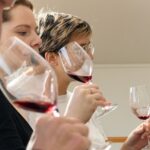
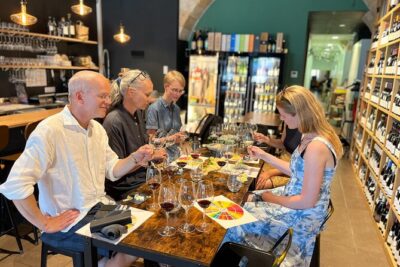
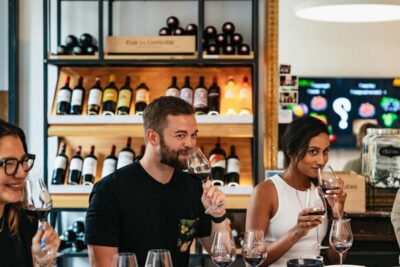
This tasting in Bordeaux focuses on how wine really works, with hosts Mathilde and Cécilia guiding you through aromas, blends, and classifications while you sample six Bordeaux wines. I like the hands-on, no-fluff tasting method that helps you read what you’re smelling and drinking, and I like that the lineup includes a mystery wine plus bottles tied to Grands Crus Classés and organic family estates.
One possible drawback: the food is best thought of as pairing snacks, not a full meal, so come hungry only if you plan to eat afterward.
In This Review
- The Quick Hit: What Makes This Bordeaux Tasting Worth Your Time
- Bordeaux in One Session: Why This Format Works
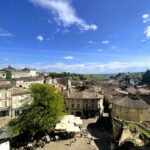
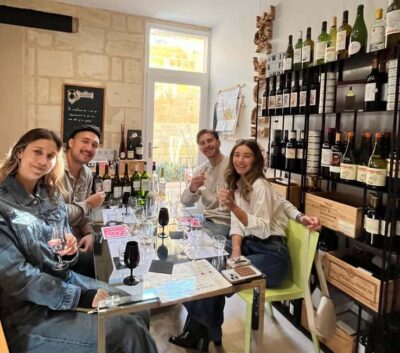
- Where You Taste in Bordeaux: Courtyard, Cellar, or Tasting Room
- Meet Mathilde or Cécilia: A Training-Style Tasting, Not Just Sampling
- The Wine Lineup: A Mystery Pour Plus Left/Right Bank Comparisons
- The mystery wine trick (and why it’s fun)
- Dry whites: left bank vs right bank
- Reds: mixture styles plus both bank perspectives
- The soft wine: what it adds to the lesson
- Charcuterie & Cheese Pairings: The Real-World Lesson
- Pace, Group Size, and the Timing Reality
- What You Get to Take Home: The Tasting Booklet
- Buying Wine at the End: How to Turn Learning into a Bottle
- Value Check: Is $54.44 Actually Good for Bordeaux?
- Who Should Book (and Who Might Want a Different Plan)
- Should You Book This Bordeaux Wine-and-Cheese Tasting?
- FAQ
- How long is the wine tasting?
- How many wines do I taste, and do I get food pairings?
- Is the tasting in English?
- Is this only for people who like red wine or only for people who like white wine?
- Do I get a take-home booklet?
- Where is the meeting point in Bordeaux?
- How big is the group?
- Can I cancel for a full refund?
The Quick Hit: What Makes This Bordeaux Tasting Worth Your Time
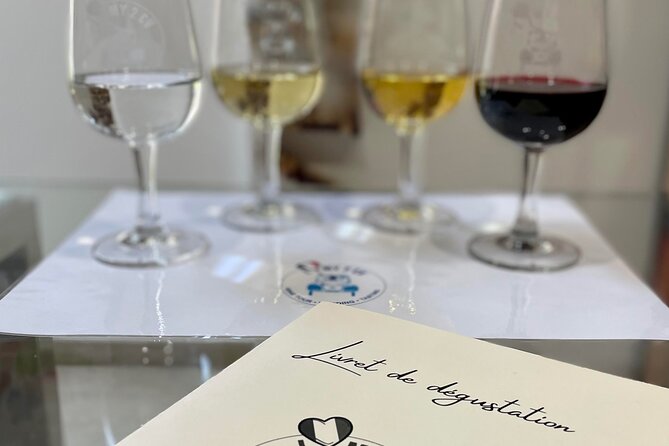
- Six wines with a built-in lesson: 1 mystery wine, 2 dry whites, 3 reds split across left/right bank styles, and 1 softer wine.
- Left bank vs right bank becomes practical: you learn why the same region name can still taste different.
- Charcuterie and cheese pairing: you’ll connect wine traits to salty, fatty, savory flavors.
- Small group pace (max 6): it stays conversational and adjustable to what you want to understand.
- Take-home tasting booklet: a guide to keep practicing after the last sip.
- Hosts trained for wine education: you’re taught in an approachable, step-by-step way.
Another board of cheese, a glass to match
- Saint-Emilion Afternoon Wine Tour – 2 Wineries & delicacies★ 5.0 · 614 reviews
- Professional – Bordeaux Wine and Cheese Tasting with a walking tour★ 5.0 · 218 reviews
- Tasting of 6 Bordeaux wines and pairing charcuterie & cheese★ 5.0 · 199 reviews
- Bordeaux: Wine Masterclass with Cheese and Charcuterie Board★ 4.9 · 184 reviews
Bordeaux in One Session: Why This Format Works
If you’ve ever tasted wine and felt you were guessing, this is the kind of Bordeaux lesson that fixes that fast. The structure is simple: you taste repeatedly, you compare, and you get the language for what you’re sensing. In about 75 minutes, the goal isn’t to make you a critic—it’s to make your next bottle purchase less of a gamble.
You also get a useful focus: Bordeaux isn’t one style. Even within the same broad labels, you’ll see how terroir, grape variety, and blending choices steer flavor. That’s why the left bank and right bank comparison matters here. It turns a big, confusing region into a set of repeatable tasting ideas.
Where You Taste in Bordeaux: Courtyard, Cellar, or Tasting Room
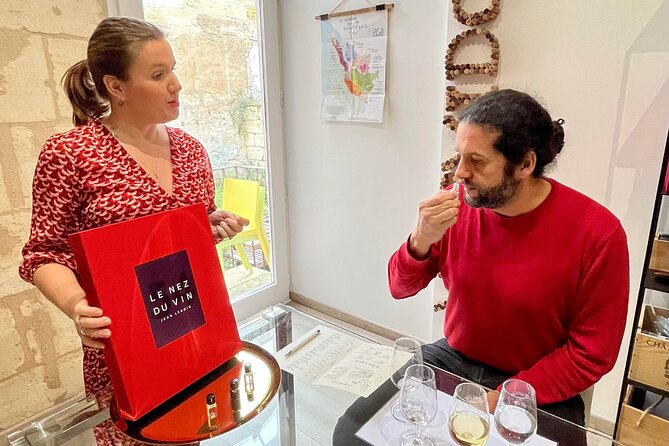
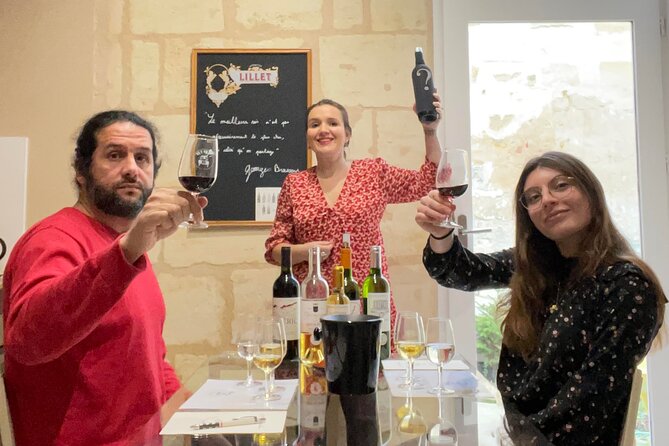
The setting changes with the season. Depending on timing, you may be in a private courtyard, a cellar, or a furnished tasting room. That flexibility is a good sign: it suggests the hosts can keep the tasting comfortable and controlled, instead of forcing a one-size-fits-all approach.
What you should watch for is pace. This is a tight session, so you’ll want to arrive on time and settle quickly. If you’re connecting from a train or cruise day, build in real buffer—this tasting is short by design.
Meet Mathilde or Cécilia: A Training-Style Tasting, Not Just Sampling
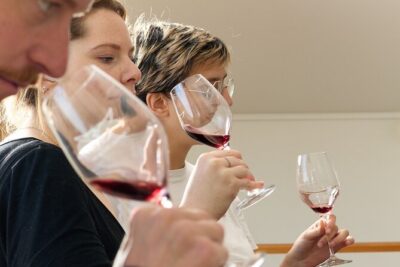
The hosts—Mathilde and Cécilia—run the session in English and keep it friendly. The big difference versus the casual tastings is how they teach you to smell and interpret aromas like you’re doing it on purpose, not by accident.
You can expect a lot of Bordeaux-specific building blocks:
- what appellations and classifications are trying to tell you
- how terroir and grape choices show up in the glass
- how red Bordeaux blending decisions create a signature mix of fruit, structure, and aging potential
Several comments in the same direction pop up: people leave with better instincts for labels and a clearer map of what they prefer. That matters because Bordeaux bottles can look similar on paper—but taste different once you know what to look for.
Other plates and pours worth the detour


The Wine Lineup: A Mystery Pour Plus Left/Right Bank Comparisons
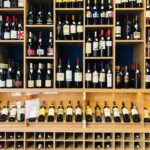
This tasting is built around contrast. You’ll drink six wines in a set order that nudges you to compare like a pro.
The mystery wine trick (and why it’s fun)
The mystery wine isn’t just for entertainment. It trains your attention. By the time you reach the rest of the lineup, you’ll already be thinking in “what’s in this flavor profile?” terms instead of “do I like it or not?”
Dry whites: left bank vs right bank
You’ll taste two dry whites, one leaning left bank character and one tied to right bank style. Even if you’re new to Bordeaux, this is a great start because whites tend to show structure and aromatic clarity early. The side-by-side comparison helps you catch things like acidity, aromatics, and how much fruit versus freshness you’re getting.
Reds: mixture styles plus both bank perspectives
You’ll taste three reds, described as mixtures with both left and right bank influences. Reds in Bordeaux can feel “more complex than you can name” at first. Here, that complexity gets translated into concrete sensations: how the fruit presents, how the texture feels on the palate, and how aging-related structure shows up even in a tasting pour.
This is also where the blending discussion becomes practical. Bordeaux red isn’t only about one grape telling the story; it’s about how grapes are combined to produce balance.
The soft wine: what it adds to the lesson
The final wine is described as soft. That could give you a gentler contrast to the reds and dry whites, helping you understand how sweetness or lighter feel changes how food pairing works and how fruit reads on your tongue. It’s a smart way to keep the tasting from turning into a one-note red marathon.
Charcuterie & Cheese Pairings: The Real-World Lesson
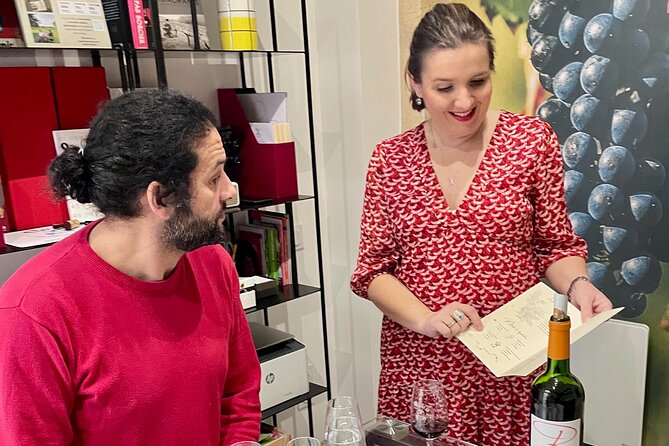
Wine and food are always a bit tricky. Too many tastings treat pairing like a slogan: wine here, cheese there, smile for the camera. This one aims to connect the dots.
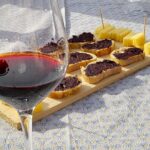
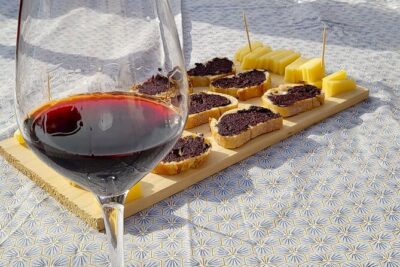
You’ll get charcuterie and cheese snacks paired to the wines. Think salty, fatty, and savory, not fancy courses. These flavors help show you why wine characteristics matter:
- higher acidity can cut through fat
- tannins can change how meat feels on your palate
- aromas can line up with savory notes more than you expect
One caution: the food can feel “enough to prove the point,” but not huge. Some people describe the pairing as bite-sized and served more at the end rather than as a full pairing with each pour. So if you’re expecting a big plate every step of the way, set your expectations for snacks and plan a proper meal later.
Diet note: if you have vegetarian needs, bring it up clearly when booking. One comment called out the importance of honoring the vegetarian request, so you’ll want it on record.
Pace, Group Size, and the Timing Reality
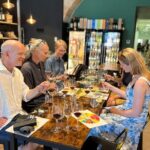
A maximum of 6 people keeps this intimate and gives you room to ask questions. That also means the session stays structured. You’ll be tasting enough to learn, but not so much that you’re sleepy or overwhelmed.
Duration is about 1 hour 15 minutes. With a short session, timing really matters—especially if you’re trying to fit it between transport connections. If you’re worried about time, look for the slot that matches your day best. One host message indicates there’s a tasting at 11:30, which can matter if you’re juggling cruise or train schedules.
What You Get to Take Home: The Tasting Booklet
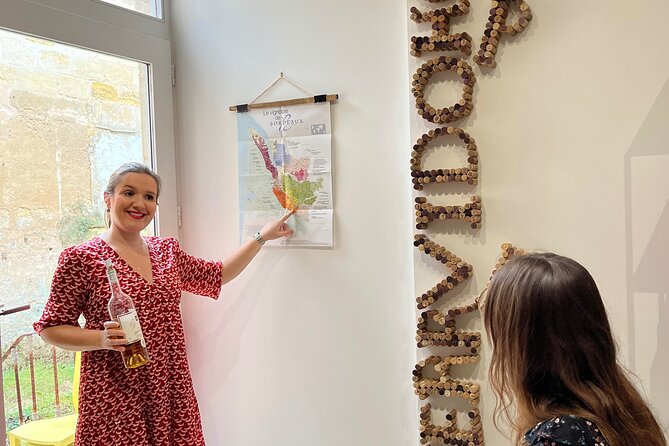
You receive a tasting booklet. This is more than a souvenir. It’s your cheat sheet for remembering what you learned while the flavors are still fresh in your head.
Here’s how to use it well:
- Mark what you liked and what you didn’t
- Note what you smelled first, not just what you drank
- Use the wine structure ideas (acid, tannin, fruit/texture) when you’re reading a label
If you’re the type who buys a bottle after a tasting, this booklet can help you buy with intention instead of impulse.
Buying Wine at the End: How to Turn Learning into a Bottle
The wines you taste are available for sale. That’s one of the practical advantages of tastings like this: you don’t have to guess what to look for later. You can ask the host what they recommend based on what you preferred across the lineup.
A useful approach: tell them your favorites by style—dry white versus soft wine, or which red felt smoother versus more structured. Then you’ll get a recommendation that matches your palate, not just the most famous label.
Value Check: Is $54.44 Actually Good for Bordeaux?
At $54.44 per person, the value comes from the package, not the location. You’re paying for:
- 6 glasses of wine
- charcuterie & cheese pairing snacks
- a tasting booklet
- guided interpretation of Bordeaux (appellations, terroir, grape variety, and blending)
To sanity-check it: you’d spend a lot more than that just on wine alone at many spots in a tourist-heavy area. What makes it feel fair is the educational structure and the fact the lineup is designed for comparison. This isn’t just five people holding glasses while someone talks at you.
If you’re on a tight schedule and can’t do a full-day vineyard tour, this becomes one of the best ways to get Bordeaux-specific learning without burning an entire day.
Who Should Book (and Who Might Want a Different Plan)
This fits best if you want:
- a focused Bordeaux intro with left bank/right bank clarity
- a small-group, English-friendly tasting with a clear teaching style
- charcuterie and cheese pairings that help you understand your own tastes
You might want a different plan if:
- you’re chasing a long, food-heavy experience (this is snacks, not a full meal)
- you need a lot of flexibility for a very tight schedule, because it’s short and structured
- you prefer only one type of wine and don’t want comparisons (though the tasting is designed to accommodate preferences, it still includes both whites and reds in the set format)
Should You Book This Bordeaux Wine-and-Cheese Tasting?
Yes, if you’re trying to make Bordeaux feel understandable. The combination of six wines, the left/right bank comparison, and a mystery pour is a strong learning format, and the small group size keeps it from feeling rushed or scripted.
If you book with realistic food expectations—snacks, not a meal—you’ll get a lot out of your 1 hour 15 minutes. And if you care about picking a bottle with confidence later, the tasting booklet plus the chance to purchase from the lineup is a smart bonus.
FAQ
How long is the wine tasting?
It runs for about 1 hour 15 minutes.
How many wines do I taste, and do I get food pairings?
You taste 6 Bordeaux wines and you get charcuterie and cheese pairing snacks.
Is the tasting in English?
Yes, it is offered in English.
Is this only for people who like red wine or only for people who like white wine?
You can choose preferences. The specialized tastings are made for you if you prefer only red or only white.
Do I get a take-home booklet?
Yes. You receive a tasting booklet to continue practicing at home.
Where is the meeting point in Bordeaux?
The meeting point is 25 Av. Thiers, 33100 Bordeaux, France.
How big is the group?
The tasting has a maximum of 6 travelers.
Can I cancel for a full refund?
Yes, you can cancel up to 24 hours in advance for a full refund. Cancellation less than 24 hours before the start time is not refunded.
Eat and Drink Your Way Round Bordeaux
More Tour Reviews in Bordeaux

A Board and a Glass to Match
Just Added: Fresh Bordeaux Reviews


Bordeaux Wine & Cheese Tastings, compared.
 ★ 5.0Saint-Emilion Afternoon Wine Tour – 2 Wineries & delicaciesFrom $119614 reviews
 ★ 5.0Professional – Bordeaux Wine and Cheese Tasting with a walking tourFrom $78218 reviews
 ★ 4.9Wine Masterclass with Cheese and Charcuterie BoardFrom $53184 reviews
 ★ 5.0Introduction to Bordeaux wines paired with cheeses & charcuterieFrom $35175 reviews
 ★ 5.0Bordeaux Wines Masterclass paired with cheeses & charcuterieFrom $54110 reviews
 ★ 4.5Medoc Afternoon Wine Tour – 2 Wineries, tastings & delicaciesFrom $11974 reviews
 ★ 5.0Workshop Bordeaux wine tasting: 4 reds & charcuterie pairingFrom $4672 reviews
 ★ 5.0Bordeaux Afternoon Food Tour : Sweets, Wine and CheeseFrom $6338 reviews
Browse the lists this tour appears in